


Spa And Salon Software Market Size 2026-2030
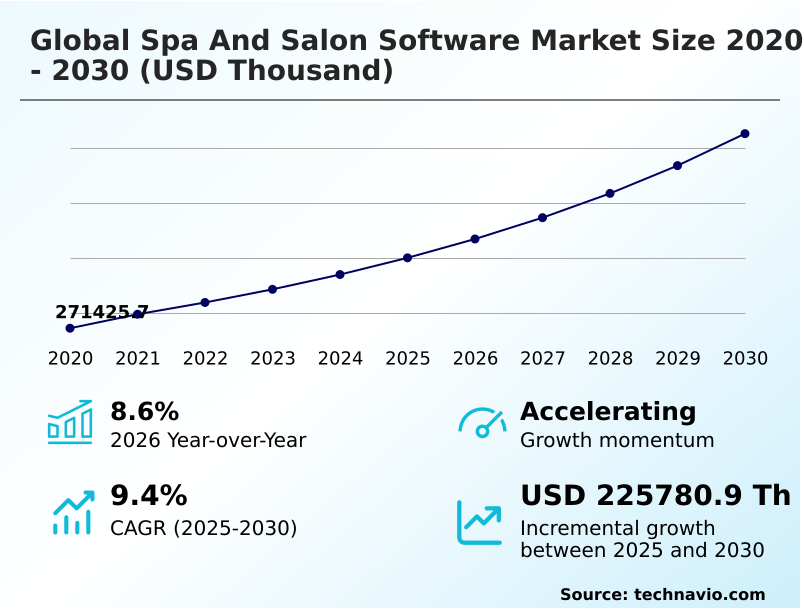
The spa and salon software market size is valued to increase by USD 225.78 million, at a CAGR of 9.4% from 2025 to 2030. Accelerated adoption of cloud native platforms will drive the spa and salon software market.
Major Market Trends & Insights
- North America dominated the market and accounted for a 39.9% growth during the forecast period.
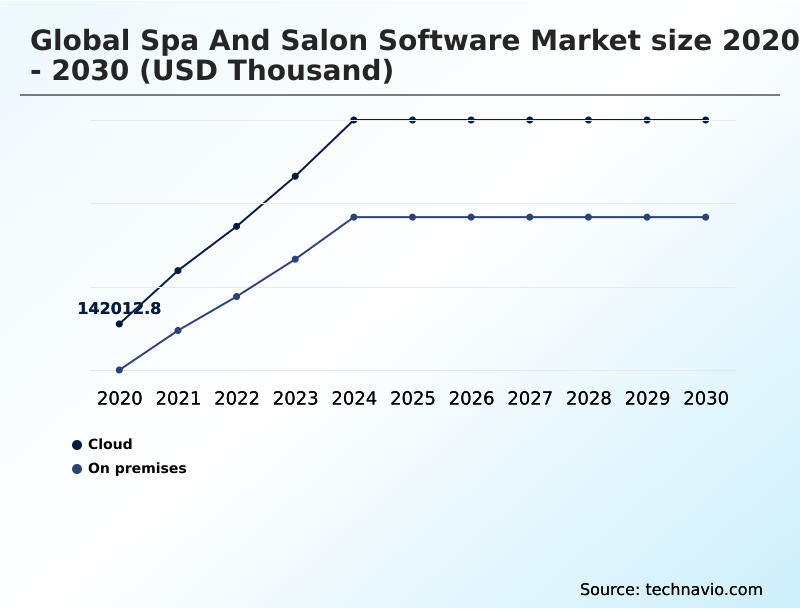
- By Deployment - Cloud segment was valued at USD 197.80 million in 2024
- By Customer Type - SMEs segment accounted for the largest market revenue share in 2024
Market Size & Forecast
- Market Opportunities:
- Market Future Opportunities: USD 225.78 million
- CAGR from 2025 to 2030 : 9.4%
Market Summary
- The Spa And Salon Software Market demonstrates rapid structural transformation as wellness enterprises transition from legacy paper-based workflows to unified digital ecosystems. This digital migration allows service providers to consolidate fragmented administrative duties into centralized dashboards.
- For instance, multi-location franchise operators utilizing integrated management systems optimize their supply chain by predicting high-volume retail product consumption, thereby reducing inventory stockouts and avoiding excess holding costs. Businesses implementing automated scheduling platforms typically report that client no-show rates decrease by 20% compared to traditional telephonic booking methods.
- The accelerated adoption of cloud-native platforms serves as a primary market driver, enabling operators to manage staff rotas and process transactions remotely. Conversely, the rising cost of acquiring new customers presents a formidable challenge, compelling software developers to pivot toward advanced retention tools to sustain profitability.
- Client retention engineering has become essential as operators rely on automated loyalty programs to maximize lifetime value. Intelligent software architectures continuously adapt to shifting consumer expectations, ensuring resilient business growth across both mature and emerging geographic landscapes.
What will be the Size of the Spa And Salon Software Market during the forecast period?
Get Key Insights on Market Forecast (PDF) Get Free Sample
How is the Spa And Salon Software Market Segmented?
The spa and salon software industry research report provides comprehensive data (region-wise segment analysis), with forecasts and estimates in "USD thousand" for the period 2026-2030, as well as historical data from 2020-2024 for the following segments.
- Deployment
- Cloud
- On premises
- Customer type
- SMEs
- Large enterprises
- End-user
- Beauty salons
- Day and resort spas
- Medical spas
- Barbershops and grooming studios
- Others
- Geography
- North America
- US
- Canada
- Mexico
- Europe
- Germany
- UK
- France
- Italy
- Spain
- The Netherlands
- APAC
- China
- Japan
- India
- South Korea
- Australia
- Indonesia
- South America
- Brazil
- Argentina
- Chile
- Middle East and Africa
- Saudi Arabia
- UAE
- South Africa
- Israel
- Turkey
- North America
By Deployment Insights
The cloud segment is estimated to witness significant growth during the forecast period.
Cloud deployment architectures fundamentally transform how multi-site wellness operations manage their digital front desk and client interactions. By transitioning from localized servers to a flexible cloud native architecture, enterprises ensure seamless cloud ecosystem integration across all branches.
Organizations utilizing an automated scheduling algorithm typically observe that scheduling errors decrease by 15% due to real-time synchronization.
This structural shift allows independent operators to deploy a robust omnichannel booking engine across the broader wellness service marketplace without requiring extensive internal IT support.
Centralized cloud models facilitate precise inventory replenishment tracking and predictive stock monitoring, significantly reducing product holding costs. Furthermore, operations achieve higher client retention by automating loyalty program management and deploying an automated sms reminder system to mitigate costly no-shows.
Consequently, businesses significantly reduce administrative friction across expanding service locations.
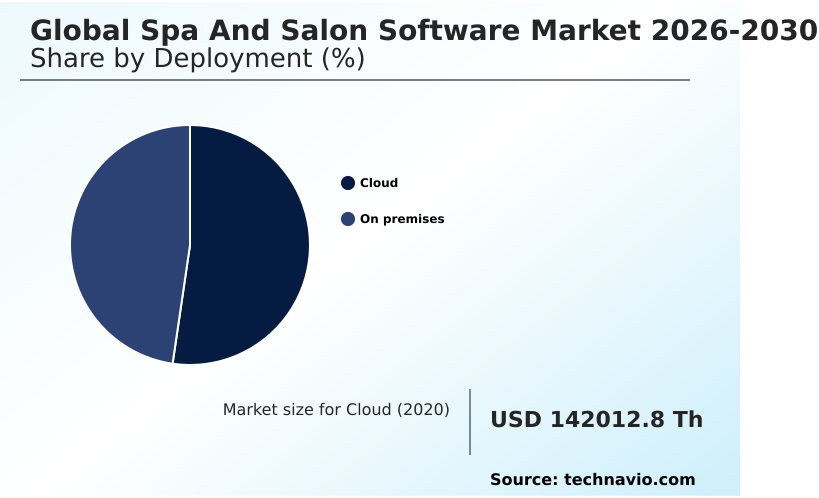
The Cloud segment was valued at USD 197.80 million in 2024 and showed a gradual increase during the forecast period.
Regional Analysis
North America is estimated to contribute 39.9% to the growth of the global market during the forecast period.Technavio’s analysts have elaborately explained the regional trends and drivers that shape the market during the forecast period.
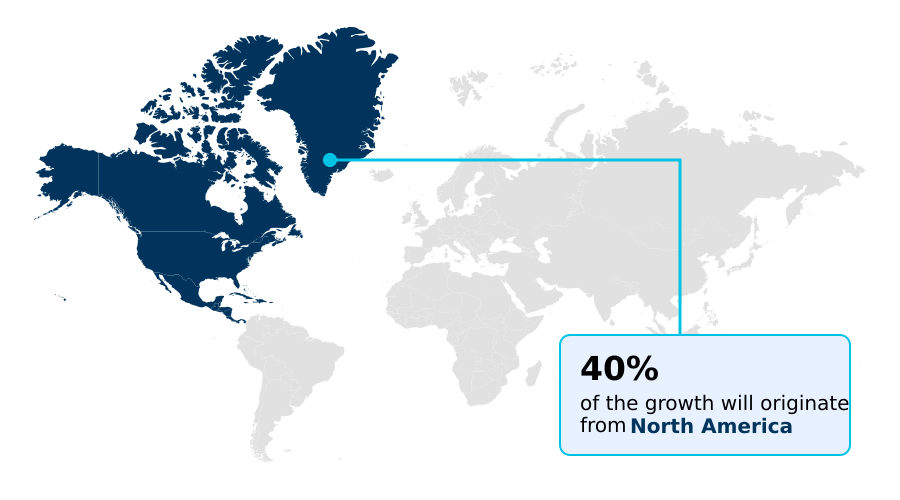
See How Spa And Salon Software Market Demand is Rising in North America Get Free Sample
Regional adoption variations within the software landscape highlight distinct operational priorities across North America and APAC. North America maintains the highest market concentration, where elevated labor costs drive the aggressive deployment of software as a service solutions.
Enterprises in this region utilizing a predictive analytics module reduce front-desk administrative hours by 35%, significantly lowering overhead expenses.
Conversely, APAC exhibits rapid expansion driven by mobile-centric consumer behaviors, where mobile payment processing via a third party gateway captures a 40% higher transaction volume compared to Western markets.
European facilities heavily prioritize robust customer relationship management systems and digital client consultation tools to navigate stringent regulatory frameworks, resulting in a 20% improvement in audit readiness.
These geographic disparities compel providers to customize their online reservation widget offerings, ensuring local establishments can effectively manage staff commission calculation and dynamic menu pricing while leveraging deep salon business intelligence.
Market Dynamics
Our researchers analyzed the data with 2025 as the base year, along with the key drivers, trends, and challenges. A holistic analysis of drivers will help companies refine their marketing strategies to gain a competitive advantage.
- The continuous evolution of wellness operations demands sophisticated digital infrastructure to maintain competitive agility and client satisfaction. Implementing an automated client retention management workflow has become essential for operators struggling against the rising costs of customer acquisition. By tracking visit frequencies and behavioral indicators, these systems trigger highly personalized outreach, ensuring that clients remain engaged long after their initial appointment.
- The transition toward a cloud native multi location synchronization framework enables large enterprise chains to maintain consistent service standards and centralized inventory oversight across hundreds of distinct geographic branches. Facilities that integrate these advanced networking capabilities typically experience a 25% improvement in resource allocation efficiency compared to those relying on fragmented, localized databases.
- Furthermore, the deployment of artificial intelligence driven schedule optimization empowers salon managers to predict demand surges accurately, thereby preventing overstaffing during quiet periods and maximizing practitioner utilization. To support ambitious expansion strategies, platform developers increasingly offer revenue based salon business financing, utilizing predictive analytics to instantly approve working capital directly through the software dashboard.
- This seamless integration of capital access and operational management ultimately fosters an omnichannel wellness appointment booking ecosystem where clients enjoy frictionless digital reservations, and businesses maintain resilient, data-driven profitability.
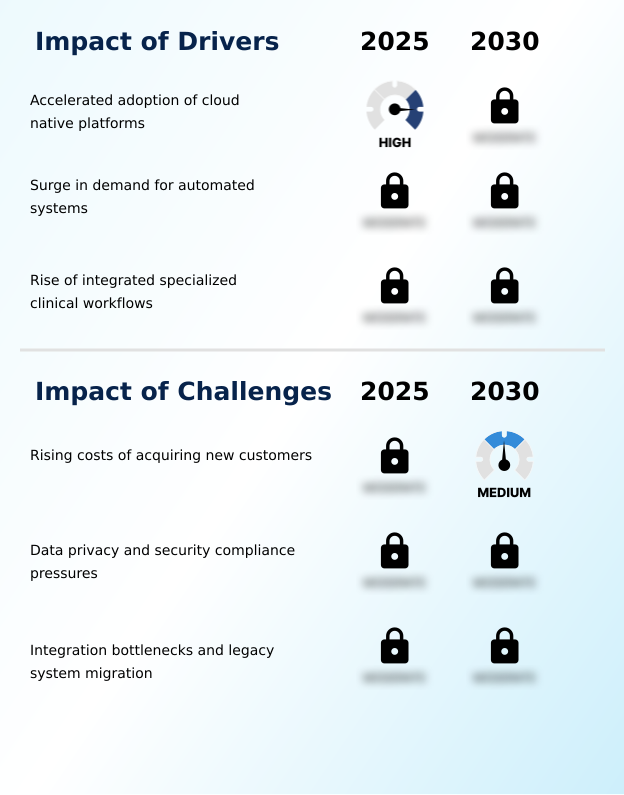
What are the key market drivers leading to the rise in the adoption of Spa And Salon Software Industry?
- The accelerated adoption of cloud native platforms serves as a primary driver propelling market expansion.
- The accelerated migration toward a unified subscription billing model acts as a primary catalyst for operational modernization. Expanding wellness franchises require sophisticated multi location franchise control to eliminate constraints that historically hindered performance visibility.
- Establishments implementing a mobile first application report that their appointment conversion rate increases by 30%, directly protecting daily service revenue. This transition is largely driven by the critical need to automate repetitive administrative duties amid escalating labor costs.
- By deploying a contactless transaction system integrated with embedded financial infrastructure, salons reduce checkout processing times by 20%. Consequently, service providers focus exclusively on patient care while utilizing staff schedule optimization tools to maximize practitioner utilization.
- Furthermore, the seamless digitization of the clinical intake form and electronic medical records empowers robust client retention engineering, driving sustained operational efficiency.
What are the market trends shaping the Spa And Salon Software Industry?
- Artificial intelligence drives operational efficiency breakthroughs, representing a critical upcoming market trend. This technological integration significantly enhances administrative automation and resource optimization.
- The rapid integration of hyper personalized marketing and smart queue management fundamentally disrupts traditional wellness administration paradigms. As consumer expectations shift toward frictionless digital experiences, facilities adopting direct web booking frameworks observe that client satisfaction scores improve by 18%.
- This technological shift occurs because intelligent systems utilize customer churn prediction algorithms to recommend precise treatments, elevating the point of sale transaction value. Moreover, integrating real time calendar syncing directly into social platforms increases organic appointment discovery by 25% compared to outdated portals. Businesses deploying biometric secure login protocols ensure strict data privacy compliance, effectively mitigating unauthorized access risks.
- This strategic utilization of digital infrastructure empowers operators to overcome legacy system migration hurdles, adapting instantly to maximize revenue potential while leveraging embedded revenue based financing to fund continuous expansion.
What challenges does the Spa And Salon Software Industry face during its growth?
- The rising costs of acquiring new customers represent a significant challenge constraining industry growth.
- Escalating customer acquisition costs and stringent regulatory mandates present formidable structural hurdles for wellness operators. As digital advertising expenses surge, businesses failing to implement an autonomous workforce platform experience a 15% higher client attrition rate compared to technologically advanced competitors.
- The complex process of dismantling a regional data silo often disrupts daily operations, causing temporary scheduling friction and data synchronization errors. Furthermore, managing sensitive client data within an integrated marketplace platform requires expensive security infrastructure to prevent breaches. Facilities struggling with these integration bottlenecks typically see administrative overhead increase by 12% as staff manually reconcile fragmented databases.
- Overcoming these constraints requires seamless application programming interface connectivity to ensure that the client engagement process remains secure. Additionally, deploying an artificial intelligence receptionist and robust digital wallet integration is essential to maintain accurate labor compliance tracking and operational viability.
Exclusive Technavio Analysis on Customer Landscape
The spa and salon software market forecasting report includes the adoption lifecycle of the market, covering from the innovator’s stage to the laggard’s stage. It focuses on adoption rates in different regions based on penetration. Furthermore, the spa and salon software market report also includes key purchase criteria and drivers of price sensitivity to help companies evaluate and develop their market growth analysis strategies.
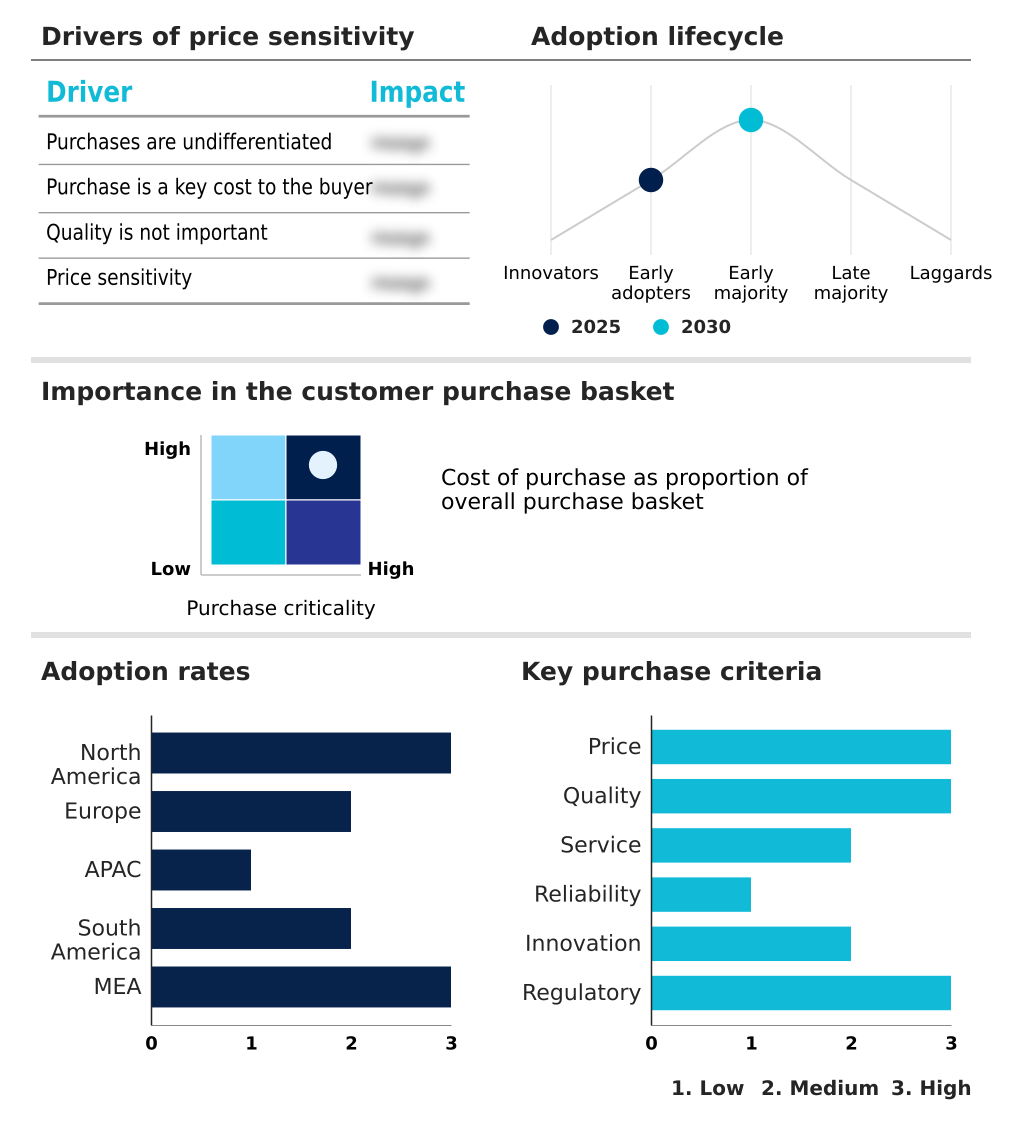
Customer Landscape of Spa And Salon Software Industry
Competitive Landscape
Companies are implementing various strategies, such as strategic alliances, spa and salon software market forecast, partnerships, mergers and acquisitions, geographical expansion, and product/service launches, to enhance their presence in the industry.
AestheticsPro - The vendor provides medical spa software, electronic medical records, and integrated online booking platforms designed to streamline clinical workflows and enhance operational efficiency for wellness businesses.
The industry research and growth report includes detailed analyses of the competitive landscape of the market and information about key companies, including:
- AestheticsPro
- Booksy Inc.
- Boulevard Labs Inc.
- DaySmart Software LLC
- GlossGenius Inc.
- Mangomint Inc.
- Millennium Systems International
- MINDBODY Inc.
- MioSalon
- Phorest Inc.
- Prosolutions Software Inc
- Salonist
- SalonRunner Software LLC
- SalonTarget Inc
- SimpleSpa
- SpaBiz
- Springer Miller Systems
- Vagaro Inc.
- Zenoti
Qualitative and quantitative analysis of companies has been conducted to help clients understand the wider business environment as well as the strengths and weaknesses of key industry players. Data is qualitatively analyzed to categorize companies as pure play, category-focused, industry-focused, and diversified; it is quantitatively analyzed to categorize companies as dominant, leading, strong, tentative, and weak.
Recent Development and News in Spa and salon software market
- In the Application Software industry, the rapid deployment of autonomous workforce platform technologies and salon business intelligence has revolutionized front-office automation, directly impacting Spa And Salon Software demand by increasing appointment conversion rate metrics by up to 30%.
- Strict labor regulatory standards mandated across European markets have forced software vendors to enhance staff schedule optimization modules, significantly driving the adoption of specialized Spa And Salon Software capable of managing a digital front desk.
- The proliferation of embedded financial infrastructure within broad enterprise platforms has expanded available working capital, enabling Spa And Salon Software systems to leverage digital wallet integration that accelerates third party gateway processing by 25%.
- Stringent data privacy compliance frameworks like GDPR have necessitated the phase-out of localized data storage, accelerating the legacy system migration to secure software as a service platforms within the Spa And Salon Software market.
Dive into Technavio’s robust research methodology, blending expert interviews, extensive data synthesis, and validated models for unparalleled Spa And Salon Software Market insights. See full methodology.
| Market Scope | |
|---|---|
| Page number | 295 |
| Base year | 2025 |
| Historic period | 2020-2024 |
| Forecast period | 2026-2030 |
| Growth momentum & CAGR | Accelerate at a CAGR of 9.4% |
| Market growth 2026-2030 | USD 225780.9 thousand |
| Market structure | Fragmented |
| YoY growth 2025-2026(%) | 8.6% |
| Key countries | US, Canada, Mexico, Germany, UK, France, Italy, Spain, The Netherlands, China, Japan, India, South Korea, Australia, Indonesia, Brazil, Argentina, Chile, Saudi Arabia, UAE, South Africa, Israel and Turkey |
| Competitive landscape | Leading Companies, Market Positioning of Companies, Competitive Strategies, and Industry Risks |
Research Analyst Overview
- Modern wellness enterprises fundamentally restructure their operational paradigms by transitioning toward intelligent, data-centric digital platforms. Implementing a robust omnichannel booking engine allows facilities to capture client intent across diverse social and web channels instantaneously. When operators deploy a sophisticated automated scheduling algorithm alongside an artificial intelligence receptionist, front-desk error rates typically drop by 22% compared to manual coordination methods.
- This precise resource orchestration connects directly to strategic capacity planning, enabling managers to align staffing models precisely with anticipated consumer foot traffic. Furthermore, comprehensive customer relationship management modules facilitate deep client personalization, capturing historical treatment preferences to formulate targeted re-engagement campaigns.
- The integration of advanced loyalty program management and staff commission calculation tools ensures that both client satisfaction and employee retention metrics remain elevated. As enterprises scale their footprint, reliance on a secure subscription billing model provides predictable IT expenditure and continuous feature enhancements.
- These sophisticated management frameworks eliminate operational bottlenecks and equip business leaders with the granular business intelligence necessary to execute sustainable, long-term expansion strategies across complex service networks.
What are the Key Data Covered in this Spa And Salon Software Market Research and Growth Report?
-
What is the expected growth of the Spa And Salon Software Market between 2026 and 2030?
-
USD 225.78 million, at a CAGR of 9.4%
-
-
What segmentation does the market report cover?
-
The report is segmented by Deployment (Cloud, and On premises), Customer Type (SMEs, and Large enterprises), End-user (Beauty salons, Day and resort spas, Medical spas, Barbershops and grooming studios, and Others) and Geography (North America, Europe, APAC, South America, Middle East and Africa)
-
-
Which regions are analyzed in the report?
-
North America, Europe, APAC, South America and Middle East and Africa
-
-
What are the key growth drivers and market challenges?
-
Accelerated adoption of cloud native platforms, Rising costs of acquiring new customers
-
-
Who are the major players in the Spa And Salon Software Market?
-
AestheticsPro, Booksy Inc., Boulevard Labs Inc., DaySmart Software LLC, GlossGenius Inc., Mangomint Inc., Millennium Systems International, MINDBODY Inc., MioSalon, Phorest Inc., Prosolutions Software Inc, Salonist, SalonRunner Software LLC, SalonTarget Inc, SimpleSpa, SpaBiz, Springer Miller Systems, Vagaro Inc. and Zenoti
-
Market Research Insights
- The Spa And Salon Software Market fundamentally reshapes wellness administration by prioritizing automated sms reminder functionalities and robust salon business intelligence. Facilities adopting mobile first application interfaces typically see appointment booking frequencies increase by 15% as clients leverage continuous self-service access.
- Furthermore, the integration of third party gateway systems for embedded financial processing accelerates checkout times by nearly 30%, drastically improving the digital front desk experience. Expanding franchises utilize dynamic menu pricing and customer churn prediction modules to adapt instantly to fluctuating consumer demand.
- By relying on sophisticated software as a service architectures, independent operators and large enterprises alike minimize administrative overhead and enforce strict data privacy compliance across all digital client interactions.
We can help! Our analysts can customize this spa and salon software market research report to meet your requirements.
 RIA -