



Specialty Enzymes Market Size 2026-2030
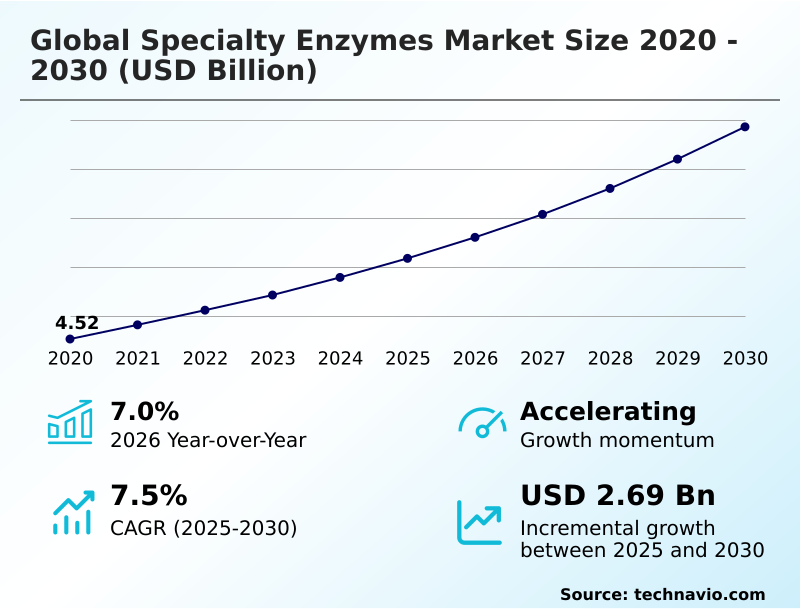
The specialty enzymes market size is valued to increase by USD 2.69 billion, at a CAGR of 7.5% from 2025 to 2030. Expansion of precision medicine and advanced therapeutic modalities will drive the specialty enzymes market.
Major Market Trends & Insights
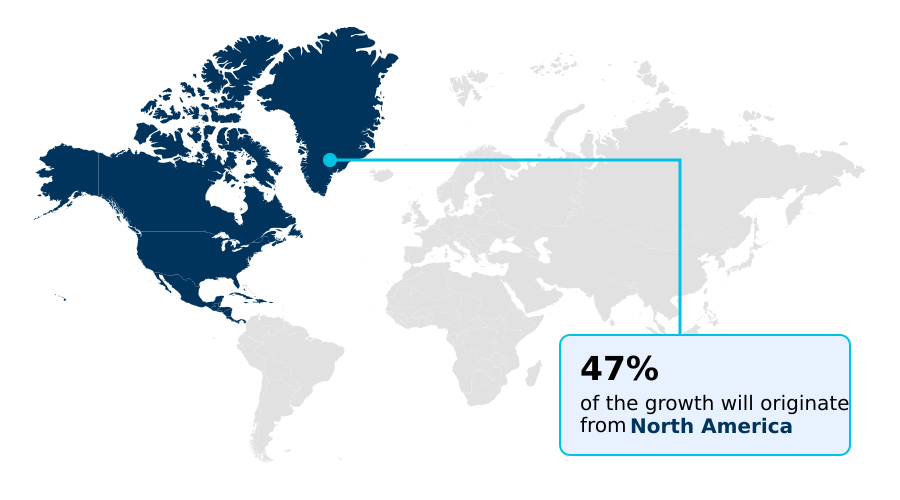
- North America dominated the market and accounted for a 47% growth during the forecast period.
- By Application - Research and biotechnology segment was valued at USD 2.95 billion in 2024
- By Type - Carbohydrases segment accounted for the largest market revenue share in 2024
Market Size & Forecast
- Market Opportunities: USD 4.33 billion
- Market Future Opportunities: USD 2.69 billion
- CAGR from 2025 to 2030 : 7.5%
Market Summary
- The specialty enzymes market is undergoing a significant transformation, driven by the convergence of biotechnology and sustainable manufacturing principles. Demand is accelerating for high-purity biological catalysts that offer superior specificity and efficiency compared to traditional chemical processes.
- This shift is most prominent in the biopharmaceutical and diagnostic sectors, where specialty enzymes like polymerases and nucleases are indispensable for advanced therapeutic modalities and precision medicine. The integration of computational protein engineering and artificial intelligence is enabling the design of enzymes with enhanced stability and substrate tolerance, expanding their use in complex industrial biocatalysis.
- In a typical business scenario, a pharmaceutical manufacturer might leverage these engineered catalysts to streamline the synthesis of active pharmaceutical ingredients, a process that can reduce hazardous waste generation while improving overall yield. Furthermore, the global push for a circular economy is creating opportunities for enzymes that can valorize industrial side-streams, turning waste into valuable products.
- As genomics and personalized diagnostics become standard practice, the reliance on high-fidelity enzyme systems will continue to deepen, positioning the specialty enzymes market as a critical enabler of innovation across multiple high-value sectors.
What will be the Size of the Specialty Enzymes Market during the forecast period?
Get Key Insights on Market Forecast (PDF) Get Free Sample
How is the Specialty Enzymes Market Segmented?
The specialty enzymes industry research report provides comprehensive data (region-wise segment analysis), with forecasts and estimates in "USD million" for the period 2026-2030, as well as historical data from 2020-2024 for the following segments.
- Application
- Research and biotechnology
- Diagnostic
- Others
- Type
- Carbohydrases
- Proteases
- Others
- Source
- Microorganisms
- Plants
- Animal
- Geography
- North America
- US
- Canada
- Mexico
- Europe
- Germany
- UK
- France
- APAC
- China
- Japan
- India
- Middle East and Africa
- Saudi Arabia
- UAE
- South Africa
- South America
- Brazil
- Argentina
- Rest of World (ROW)
- North America
By Application Insights
The research and biotechnology segment is estimated to witness significant growth during the forecast period.
The research and biotechnology segment is propelled by escalating demand for high-fidelity molecular tools in genomic engineering and synthetic biology. These applications depend on high-purity polymerases and other catalysts for DNA sequencing, cloning, and developing novel therapeutics.
A key business performance indicator shows this segment's value, with some specialized enzyme engineering platforms contributing to an 81% revenue increase in a single quarter for certain technology transfer agreements.
The integration of computational biology and directed evolution enables the creation of enzymes with enhanced thermal stability and catalytic efficiency.
This focus on protein engineering and biocatalysis meets the rigorous demands of research institutions, ensuring a consistent innovation pipeline for complex biotechnological applications like next-generation sequencing.
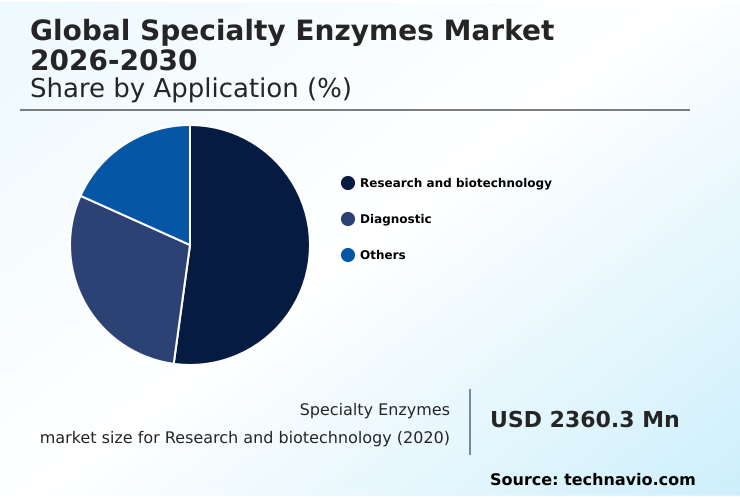
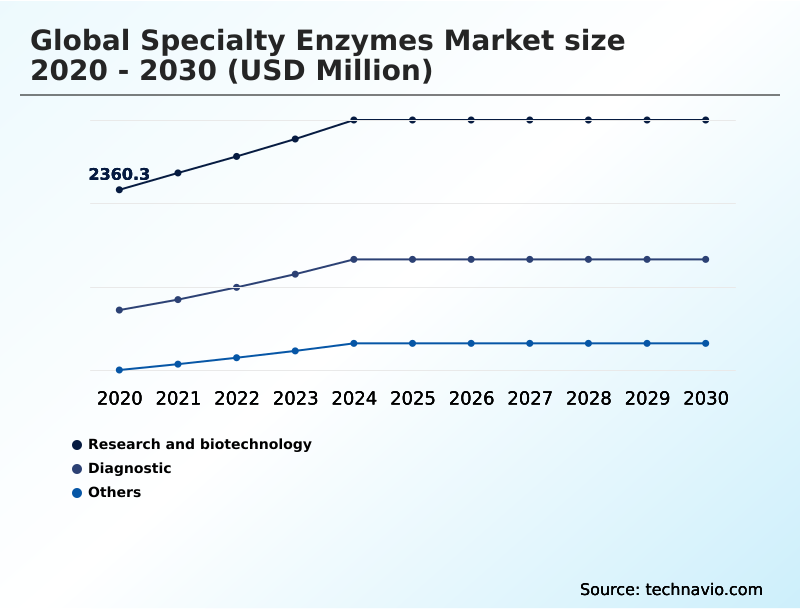
The Research and biotechnology segment was valued at USD 2.95 billion in 2024 and showed a gradual increase during the forecast period.
Regional Analysis
North America is estimated to contribute 47% to the growth of the global market during the forecast period.Technavio’s analysts have elaborately explained the regional trends and drivers that shape the market during the forecast period.
See How Specialty Enzymes Market Demand is Rising in North America Get Free Sample
The geographic landscape of the specialty enzymes market is led by North America, which is poised to contribute approximately 47% of the market's incremental growth. This dominance is due to its advanced biotechnology infrastructure and high R&D investment.
Europe follows, with a strong focus on sustainable green chemistry and a rigorous regulatory environment that fosters innovation in biocatalyst design and optimization.
The APAC region is the fastest-growing market, driven by expanding pharmaceutical and diagnostic sectors in China and India, with some firms achieving over 8% growth in proactive health segments.
This growth is supported by strategic portfolio realignment toward high-value life science applications and building supply chain resilience for biologics to serve emerging diagnostic laboratories and support cell and gene therapy manufacturing.
Market Dynamics
Our researchers analyzed the data with 2025 as the base year, along with the key drivers, trends, and challenges. A holistic analysis of drivers will help companies refine their marketing strategies to gain a competitive advantage.
- Strategic focus in the market is intensifying around high-value applications, particularly with specialty enzymes for mRNA vaccine production and enzyme solutions for personalized medicine. Innovation is heavily influenced by AI-driven platforms for enzyme discovery, which are revolutionizing how novel biocatalysts are developed.
- However, significant regulatory challenges for therapeutic enzymes and the need for overcoming immunogenicity of enzyme therapeutics remain critical hurdles for commercialization. A thorough cost analysis of enzyme downstream processing reveals a major bottleneck for many firms, even as the enzymatic synthesis of active pharmaceutical ingredients becomes more prevalent.
- The role of proteases in biologics manufacturing is expanding, while carbohydrases for specialized clinical nutrition are addressing new health trends. Sourcing remains diverse, with ongoing R&D into microbial sources for industrial biocatalysts and plant-derived enzymes for clean-label foods. Key technical advancements include new lipases for chiral intermediate production and the use of nucleases in gene editing applications.
- From an operational standpoint, advancements in enzyme immobilization techniques and methods for improving enzyme stability for diagnostic assays are paramount. Polymerases for next-generation sequencing continue to evolve in precision. Efficient supply chain logistics for specialty enzymes are crucial, where optimized cold chains can reduce product loss by over 15% compared to standard shipping.
- The industry is also seeing strategic shifts, reflected in portfolio divestment in the enzyme industry to focus on core strengths, while fermentation technology for enzyme scale-up enables the broader adoption of enzymes in sustainable chemical synthesis.
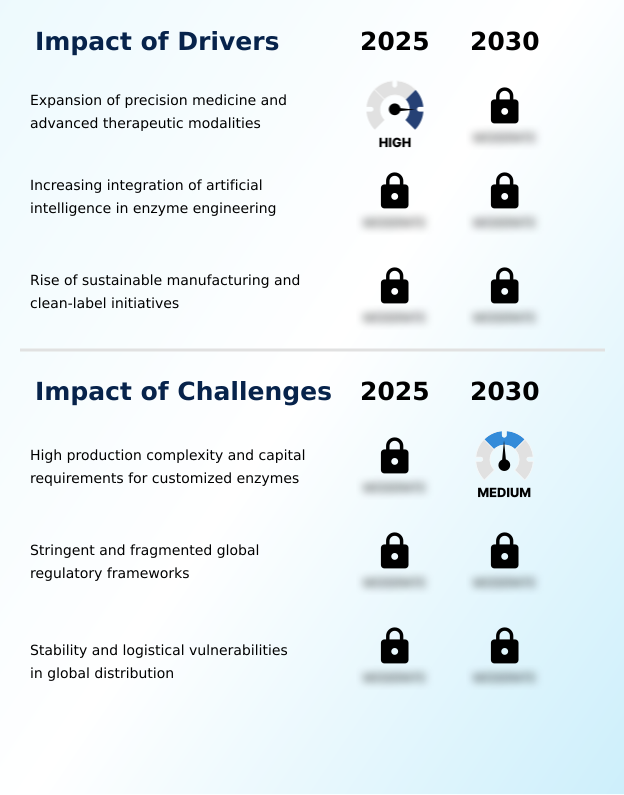
What are the key market drivers leading to the rise in the adoption of Specialty Enzymes Industry?
- Market expansion is primarily driven by advancements in precision medicine and the proliferation of sophisticated therapeutic modalities.
- A key driver is the expansion of precision medicine, which requires biocatalysts with extreme substrate specificity for applications in cell and gene therapy and therapeutic protein production.
- The integration of artificial intelligence dramatically accelerates the discovery and optimization of novel enzymes, enabling the creation of specialized biocatalysts with enhanced activity levels that were previously unattainable. This computational protein design significantly reduces R&D timelines.
- Another powerful driver is the demand for sustainable green chemistry and clean-label food initiatives.
- Specialty enzymes offer a biological alternative to chemical catalysts, operating at lower temperatures, which can result in energy savings of over 20% and a reduced carbon footprint, aligning with circular economy principles in bioprocessing and consumer demand for natural ingredient profiles.
What are the market trends shaping the Specialty Enzymes Industry?
- A prominent trend shaping the market is the definitive shift toward enzyme-driven precision diagnostics. This transition is foundational to the expansion of personalized medicine.
- A prominent trend is the rapid shift to enzyme-driven precision diagnostics, enabling tailored medical treatments. This transition is fueled by reliance on high-fidelity polymerases and nucleases for next-generation sequencing, with some advanced platforms improving biomarker detection accuracy by over 25%.
- Generative AI in enzyme discovery is also revolutionizing the field, allowing for the in-silico design of catalysts and reducing R&D timelines by up to 40%. This trend supports high-value life science segments and the creation of novel biocatalysts.
- Concurrently, a wave of strategic portfolio realignment is occurring, as conglomerates divest industrial-scale operations to focus on high-margin segments like diagnostics and proactive health, where technical barriers and differentiation are more pronounced, further accelerating biopharmaceutical manufacturing optimization.
What challenges does the Specialty Enzymes Industry face during its growth?
- Significant industry growth is challenged by the high production complexity and substantial capital investment required for customized enzyme manufacturing.
- The market faces hurdles from the intricate nature of enzyme engineering and the capital-intensive infrastructure for precision fermentation, where unit costs can be 50% higher than for bulk enzymes. Navigating harmonized regulatory frameworks is another challenge, as non-uniform standards for clinical validation of enzymes increase time-to-market. Furthermore, logistical vulnerabilities are a major concern.
- Maintaining enzyme integrity requires robust cold-chain infrastructure for biologics, which can inflate distribution expenses by over 30%, particularly in emerging markets. This need for specialized logistics and just-in-time inventory management complicates the commercialization of sensitive specialty enzymes, limiting the accessibility of advanced molecular technologies despite advancements in lyophilization and stabilizing additives.
Exclusive Technavio Analysis on Customer Landscape
The specialty enzymes market forecasting report includes the adoption lifecycle of the market, covering from the innovator’s stage to the laggard’s stage. It focuses on adoption rates in different regions based on penetration. Furthermore, the specialty enzymes market report also includes key purchase criteria and drivers of price sensitivity to help companies evaluate and develop their market growth analysis strategies.
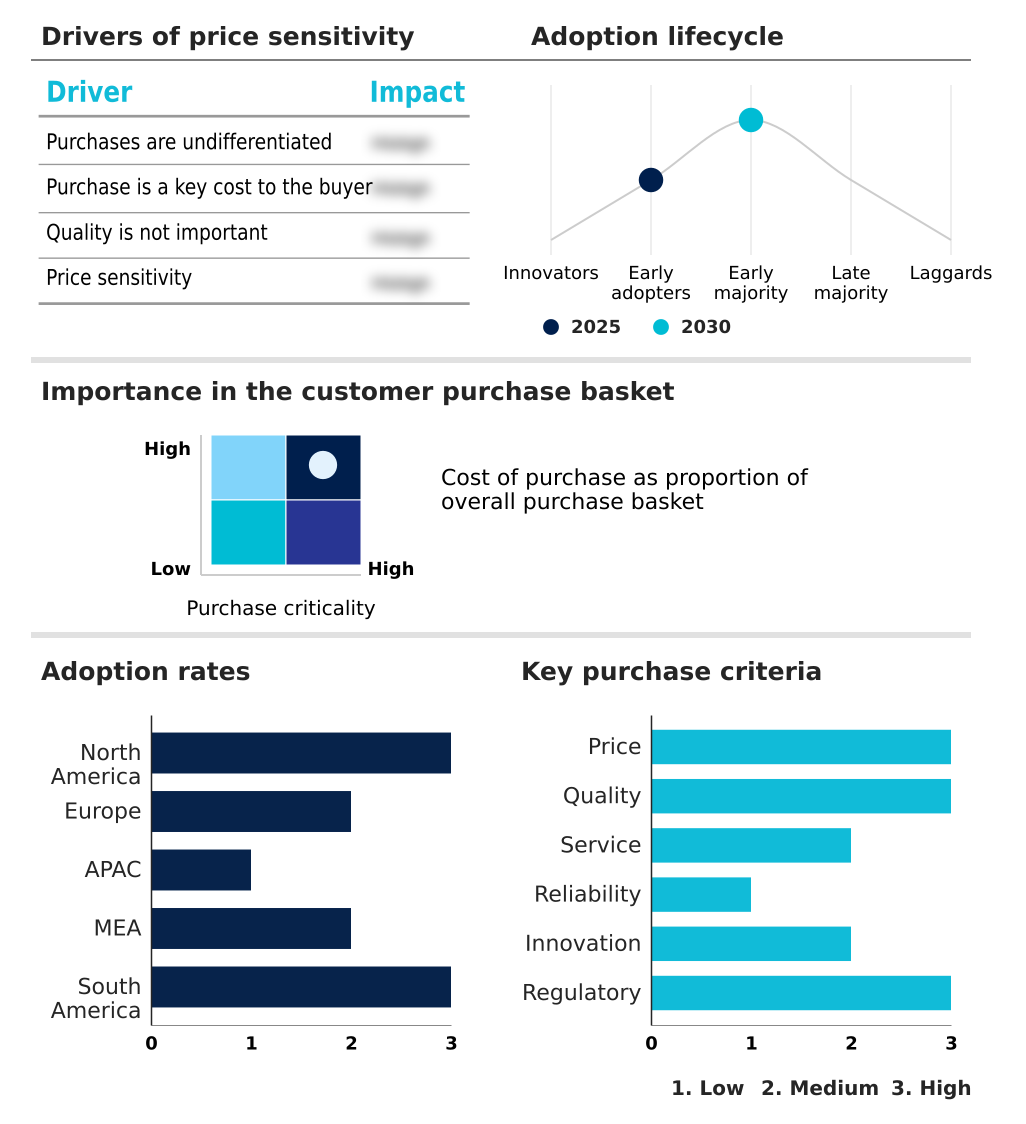
Customer Landscape of Specialty Enzymes Industry
Competitive Landscape
Companies are implementing various strategies, such as strategic alliances, specialty enzymes market forecast, partnerships, mergers and acquisitions, geographical expansion, and product/service launches, to enhance their presence in the industry.
Advanced Enzyme Technologies - Provides specialty enzymes and biocatalysts for the dietary supplement, pharmaceutical, and diverse industrial bioprocessing industries.
The industry research and growth report includes detailed analyses of the competitive landscape of the market and information about key companies, including:
- Advanced Enzyme Technologies
- Amano Enzyme Inc.
- Amicogen Co. Ltd.
- Antozyme Biotech Pvt Ltd
- BASF SE
- BBI Solutions OEM Ltd.
- Codexis Inc.
- Creative Enzymes
- DSM Firmenich AG
- Enzyme Development Corp.
- Enzyme Supplies Ltd.
- F. Hoffmann La Roche Ltd.
- International Flavors Inc.
- Kerry Group Plc
- Maravai LifeSciences Holdings
- Nagase and Co. Ltd.
- Novonesis Group
- Profacgen
- Sanofi SA
- Takara Bio Inc.
Qualitative and quantitative analysis of companies has been conducted to help clients understand the wider business environment as well as the strengths and weaknesses of key industry players. Data is qualitatively analyzed to categorize companies as pure play, category-focused, industry-focused, and diversified; it is quantitatively analyzed to categorize companies as dominant, leading, strong, tentative, and weak.
Recent Development and News in Specialty enzymes market
- In August, 2024, dsm-firmenich announced significant plant investments in India, aimed at advancing taste and health solutions through fermentation and enzymatic technologies.
- In December, 2024, Amano Enzyme Inc. received the Production and Manufacturing Innovation Award for its Plants Unlimited enzyme portfolio at the World Plant-Based Innovation Awards.
- In February, 2025, dsm-firmenich reached a definitive agreement to divest its Animal Nutrition and Health business, finalizing its strategic pivot to a specialized health and nutrition entity.
- In April, 2025, several leading enzyme producers and biotechnology firms formed strategic partnerships with diagnostics companies to accelerate R&D and scale up production of high-stability enzymes for clinical assays.
Dive into Technavio’s robust research methodology, blending expert interviews, extensive data synthesis, and validated models for unparalleled Specialty Enzymes Market insights. See full methodology.
| Market Scope | |
|---|---|
| Page number | 305 |
| Base year | 2025 |
| Historic period | 2020-2024 |
| Forecast period | 2026-2030 |
| Growth momentum & CAGR | Accelerate at a CAGR of 7.5% |
| Market growth 2026-2030 | USD 2691.2 million |
| Market structure | Fragmented |
| YoY growth 2025-2026(%) | 7.0% |
| Key countries | US, Canada, Mexico, Germany, UK, France, Italy, Spain, The Netherlands, China, Japan, India, South Korea, Australia, Indonesia, Saudi Arabia, UAE, South Africa, Israel, Turkey, Brazil, Argentina and Chile |
| Competitive landscape | Leading Companies, Market Positioning of Companies, Competitive Strategies, and Industry Risks |
Research Analyst Overview
- The specialty enzymes market is defined by continuous technical advancement, driven by recombinant DNA technology and sophisticated protein engineering. The development of high-purity polymerases, along with ligases and nucleases, is fundamental to molecular diagnostics and genomic engineering. Innovation is accelerated by directed evolution and high-throughput screening, enabling the creation of catalysts with superior substrate specificity and catalytic efficiency.
- Manufacturing relies on scalable precision fermentation and microbial fermentation, though challenges in downstream processing persist. The ECO synthesis platform and enzyme engineering platforms are pivotal for oligonucleotide synthesis, including the creation of double-stranded RNA ligase.
- For boardroom decisions, the adoption of enzymatic synthesis over chemical routes for producing active pharmaceutical ingredients offers a key strategic advantage, with some firms achieving a 30% reduction in processing time. This approach, leveraging biocatalysis and fermentation-derived technologies, yields complex chiral intermediates with high stereoselectivity.
- Techniques like isothermal amplification, glycan analysis, and site-specific cleavage are now standard in biologics manufacturing, while enzyme immobilization and thermal stability enhancement are critical for industrial biocatalytic solutions that replace phosphoramidite synthesis. The market is moving toward highly optimized catalysts derived from both plant-based carbohydrases and animal-derived enzymes, focusing on their unique post-translational modifications.
What are the Key Data Covered in this Specialty Enzymes Market Research and Growth Report?
-
What is the expected growth of the Specialty Enzymes Market between 2026 and 2030?
-
USD 2.69 billion, at a CAGR of 7.5%
-
-
What segmentation does the market report cover?
-
The report is segmented by Application (Research and biotechnology, Diagnostic, and Others), Type (Carbohydrases, Proteases, and Others), Source (Microorganisms, Plants, and Animal) and Geography (North America, Europe, APAC, Middle East and Africa, South America)
-
-
Which regions are analyzed in the report?
-
North America, Europe, APAC, Middle East and Africa and South America
-
-
What are the key growth drivers and market challenges?
-
Expansion of precision medicine and advanced therapeutic modalities, High production complexity and capital requirements for customized enzymes
-
-
Who are the major players in the Specialty Enzymes Market?
-
Advanced Enzyme Technologies, Amano Enzyme Inc., Amicogen Co. Ltd., Antozyme Biotech Pvt Ltd, BASF SE, BBI Solutions OEM Ltd., Codexis Inc., Creative Enzymes, DSM Firmenich AG, Enzyme Development Corp., Enzyme Supplies Ltd., F. Hoffmann La Roche Ltd., International Flavors Inc., Kerry Group Plc, Maravai LifeSciences Holdings, Nagase and Co. Ltd., Novonesis Group, Profacgen, Sanofi SA and Takara Bio Inc.
-
Market Research Insights
- The market's dynamism is driven by a convergence of generative AI in enzyme discovery and the demand for sustainable green chemistry. This has led to the development of high-fidelity enzyme systems for enzyme-driven precision diagnostics, with some platforms improving molecular biomarker detection accuracy by over 25%.
- Strategic portfolio realignment toward high-value life science segments is common, as companies optimize for biopharmaceutical manufacturing optimization and therapeutic protein production. Managing supply chain resilience for biologics and cold-chain infrastructure for biologics is critical, as logistical failures can impact over 10% of sensitive shipments.
- Firms are using computational protein design and advanced microbial strain development for biocatalyst design and optimization, especially for point-of-care testing kits and proactive health applications. Addressing regulatory frameworks and immunogenicity risk mitigation is key for clinical validation of enzymes used in cell and gene therapy manufacturing and lipid-based drug delivery systems.
- Innovations in lyophilization and stabilizing additives, gene editing technologies, and oligonucleotide production scalability support clean-label food initiatives and circular economy principles in bioprocessing, improving natural ingredient profiles in advanced bioprocessing workflows and even bioremediation with specialty enzymes, all while balancing with just-in-time inventory management.
We can help! Our analysts can customize this specialty enzymes market research report to meet your requirements.
 RIA -
RIA - 
