

Statin Market Size 2025-2029
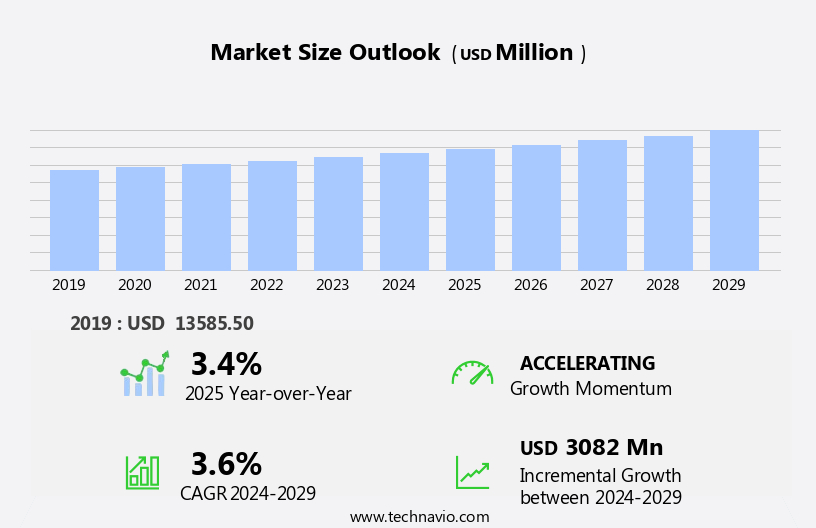
The statin market size is forecast to increase by USD 3.08 billion at a CAGR of 3.6% between 2024 and 2029.
- The market is experiencing significant growth, driven by the rising prevalence of hypercholesterolemia and the strong incidence of coronary heart disease (CHD) worldwide. According to the American Heart Association, more than 102 million adults in the US have total cholesterol levels above 200 mg/dL, indicating an increased risk for cardiovascular diseases. Statins, as the most commonly prescribed lipid-lowering drugs, remain the cornerstone of therapy for managing cholesterol levels and reducing the risk of cardiovascular events. However, the market's growth is not without challenges. Stringent regulatory requirements and safety concerns continue to impact market dynamics. Regulators are increasingly focusing on the safety and efficacy of statins, with recent studies highlighting potential side effects such as muscle pain and liver damage. Chronic diseases, such as Type 2 diabetes, and acute conditions, including respiratory problems, continue to increase the demand for statins.
- This has led to increased scrutiny and regulatory hurdles, making it essential for market players to invest in research and development to address these concerns and maintain their competitive edge. Companies seeking to capitalize on market opportunities must navigate these challenges effectively, focusing on innovation, regulatory compliance, and patient safety to ensure long-term success.
What will be the Size of the Statin Market during the forecast period?
- The market encompasses pharmaceutical drugs used for the treatment and prevention of various conditions associated with vascular inflammation and oxidative stress. These conditions include obesity, respiratory problems, and both chronic and acute diseases. Statins are particularly effective in reducing cholesterol levels, making them a go-to solution for heart transplant recipients, cardiac transplant patients, and individuals undergoing heart valve surgery or pulmonary resection, among other procedures. The market for statins is significant, driven by the increasing prevalence of cardiovascular diseases and the growing need for effective treatments.
- Both natural and synthetic statins are available, with the former derived from certain foods and the latter produced synthetically. The market is expected to continue growing due to the increasing awareness of the benefits of statins in managing and preventing a range of health conditions. As the patient population expands, particularly among those with diabetes and low blood platelet count, statins remain a cornerstone of preventive care in modern medicine.
How is this Statin Industry segmented?
The statin industry research report provides comprehensive data (region-wise segment analysis), with forecasts and estimates in "USD million" for the period 2025-2029, as well as historical data from 2019-2023 for the following segments.
- End-user
- Hospitals
- Clinics
- Others
- Type
- Synthetic statin
- Natural statin
- Drug Class
- Atorvastatin
- Simvastatin
- Pravastatin
- Fluvastatin
- Others
- Therapeutic Area
- Cardiovascular disorders
- Obesity
- Inflammatory disorders
- Others
- Geography
- North America
- US
- Canada
- Mexico
- Asia
- Europe
- France
- Germany
- UK
- Rest of World (ROW)
- North America
By End-user Insights
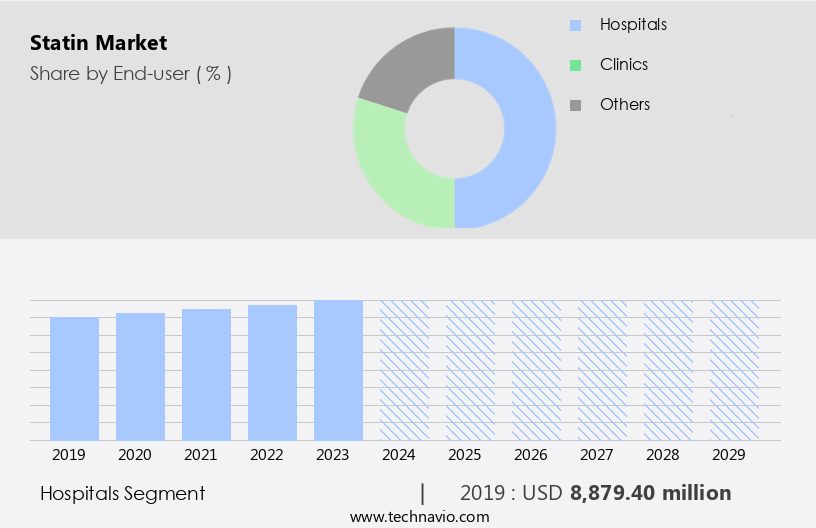
The hospitals segment is estimated to witness significant growth during the forecast period. Hospitals are essential entities in the healthcare sector, driving the growth of the market. They procure statins in bulk, enabling cost savings and a consistent medication supply. Hospitals ensure patients receive accurate medications and dosages, enhancing patient outcomes and minimizing adverse events. Hospitals also participate in clinical trials, contributing to the development of new statins through the preparation and dispensation of trial medications. Statins are essential drugs used to manage high cholesterol levels and reduce the risk of cardiovascular diseases, including heart attacks and strokes. Obese individuals, those with respiratory problems, chronic diseases, acute diseases, vascular inflammation, oxidative stress, heart transplant recipients, cardiac transplant patients, heart valve surgery patients, and lung transplantation patients often require statin therapy. In the hospital setting, statins are primarily used for patients undergoing pulmonary resection or lung cancer treatment.
Synthetic and natural statins are available, with natural statins derived from foods such as red yeast rice. While statins offer numerous benefits, they may cause side effects such as digestive system problems, muscle pain, and sleep problems. Healthcare facilities, high cholesterol patients, and high-risk patients are key consumers of statins. The market is influenced by factors such as healthcare facilities' bulk purchasing, drug distribution, and health insurance coverage. Cholesterol management, lifestyle patterns, genetic profiles, and adverse effects also impact market trends. Innovation drivers include the development of combination therapy and AI-powered evolution in preventive cardiology.
Get a glance at the market report of share of various segments Request Free Sample
The Hospitals segment was valued at USD 8.88 billion in 2019 and showed a gradual increase during the forecast period.
Regional Analysis
North America is estimated to contribute 42% to the growth of the global market during the forecast period. Technavio's analysts have elaborately explained the regional trends and drivers that shape the market during the forecast period.

For more insights on the market size of various regions, Request Free Sample
The North American market is driven by the presence of major pharmaceutical companies offering both branded and generic statins, a well-established regulatory framework, and the increasing prevalence of cardiovascular diseases. In North America, heart diseases such as coronary heart disease (CHD) or ischemic heart disease are significant causes of heart failure. Statins are widely used to manage high cholesterol levels, reducing the risk of cardiovascular diseases, including heart attacks and strokes. These drugs work by inhibiting the production of cholesterol in the liver. Obese individuals, those with respiratory problems, and high-risk patients undergoing heart transplantation, cardiac transplantation, heart valve surgery, pulmonary resection, or lung transplantation may require statin therapy. Adverse effects and generic adoption are the major challenges for the market. Inflammatory disorders and combination therapy are emerging trends. The market landscape is dynamic, with ongoing innovation and competition from various players.
Market Dynamics
Our researchers analyzed the data with 2024 as the base year, along with the key drivers, trends, and challenges. A holistic analysis of drivers will help companies refine their marketing strategies to gain a competitive advantage.
What are the key market drivers leading to the rise in the adoption of Statin Industry?
- Rising prevalence of hypercholesterolemia is the key driver of the market. Cardiovascular diseases are the leading cause of global mortality, with hypercholesterolemia being a significant risk factor. This condition, characterized by high levels of cholesterol in the blood, increases the likelihood of developing atherosclerosis. Atherosclerosis is a severe medical condition that affects the arteries supplying blood to the heart. This condition is marked by the presence of plaque within the artery walls, which narrows the arteries and decreases blood flow. Cholesterol is the primary component of plaque, making high cholesterol levels a significant risk factor for atherosclerosis and its complications, such as coronary artery disease.
- The prevalence of hypercholesterolemia is on the rise, leading to an increased incidence of atherosclerosis and its associated health issues. This trend underscores the importance of managing cholesterol levels to mitigate the risk of cardiovascular diseases. However, the market is witnessing an AI-powered evolution, with natural statins gaining traction. Natural statins, derived from various sources, offer an alternative to synthetic statins. While both types of statins work by inhibiting the HMG-CoA reductase enzyme, natural statins may have fewer side effects, such as digestive system problems, muscle pain, and sleep problems. These adverse effects have led some patients to seek alternative treatments or discontinue their statin therapy altogether. Quality healthcare facilities recognize the importance of preventive cardiology, particularly for high-risk patients. Health insurance coverage and disposable income play a crucial role in determining access to these treatments
What are the market trends shaping the Statin Industry?
- Strong incidence of CHD is the upcoming market trend. The market is experiencing significant growth due to the rising incidence of cardiovascular diseases and an aging population. According to recent research, the number of people aged 60 and above is projected to surpass those under five years old by 2020, with 80% of older people residing in low- and middle-income countries by 2050. This demographic shift, highlighted by the World Health Organization (WHO), presents a substantial opportunity for the market. The geriatric population is more susceptible to cardiovascular diseases, leading to increased demand for statins as a preventive measure. This trend is expected to continue during the forecast period, driving market growth. Natural statins, derived from food sources, and synthetic statins, produced in laboratories, are available in the market.
- While synthetic statins have been the market leaders, natural statins are gaining popularity due to their fewer side effects. However, side effects such as digestive system problems, muscle pain, and sleep problems may limit their adoption. Healthcare facilities, insurers, and patients are increasingly focusing on cost-effective solutions, leading to the adoption of low-cost generics. Patients' awareness campaigns, such as Million Hearts, are promoting preventive cardiology and lifestyle modifications. The lipid metabolism market, including cholesterol management, is expected to grow due to the increasing burden of chronic disorders and the rising number of high-risk patients. Healthcare facilities and medications play a crucial role in managing high cholesterol levels and the associated heart attack and health risks.
What challenges does the Statin Industry face during its growth?
- Stringent regulatory environment is a key challenge affecting industry growth. The market is subject to stringent regulatory oversight to ensure drug safety and efficacy. Regulatory authorities rigorously examine pharmacological data, pharmacodynamic effects, and drug interactions before approving a statin for market entry. Failure to meet these criteria may result in a complete response letter (CRL) or rejection. In such cases, the drug applicant must provide additional data, often necessitating additional clinical trials, thereby increasing research and development costs. This regulatory scrutiny is crucial in maintaining public health and trust in the pharmaceutical industry.
- Bulk purchasing and drug distribution channels have also emerged as essential components of the pharmaceutical landscape. The market for cholesterol management is driven by several innovation drivers, including the development of low-cost generics and increasing patient awareness. Millions of people worldwide are diagnosed with high cholesterol each year, making it a significant public health concern. Effective cholesterol management is essential for preventing heart attacks and other cardiovascular diseases. Lipid metabolism disorders, including high LDL cholesterol and low HDL cholesterol, are common chronic disorders. Statin therapy remains a cornerstone of treatment for these conditions, but combination therapy and other approaches are also being explored.
Exclusive Customer Landscape
The statin market forecasting report includes the adoption lifecycle of the market, covering from the innovator's stage to the laggard's stage. It focuses on adoption rates in different regions based on penetration. Furthermore, the statin market report also includes key purchase criteria and drivers of price sensitivity to help companies evaluate and develop their market growth analysis strategies.
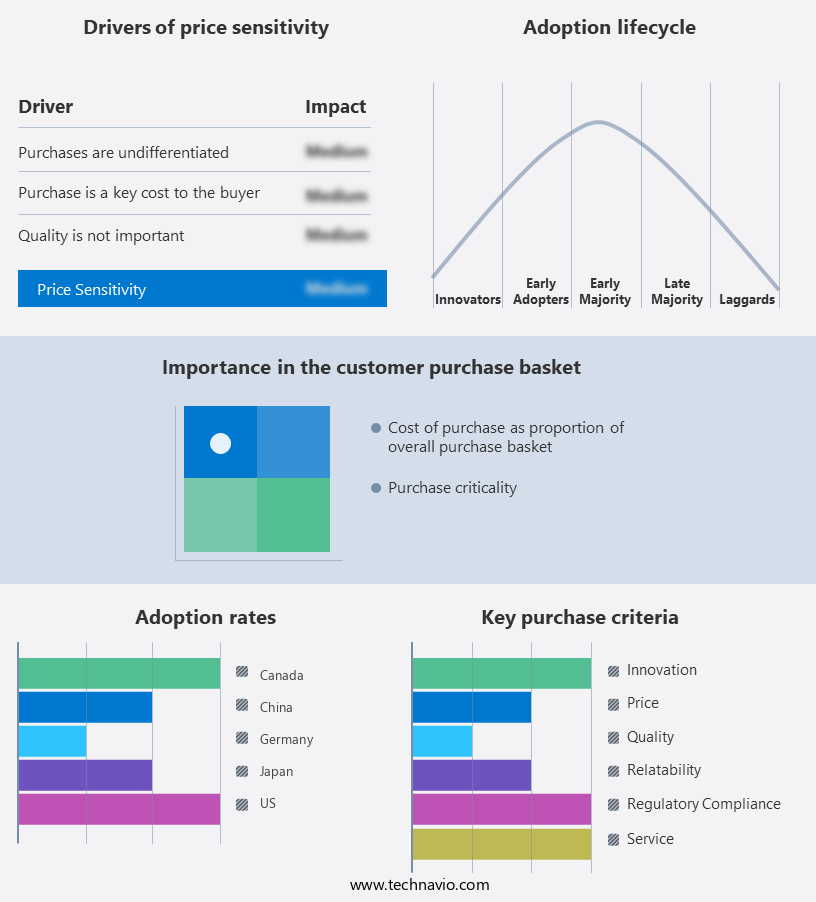
Customer Landscape
Key Companies & Market Insights
Companies are implementing various strategies, such as strategic alliances, statin market forecast, partnerships, mergers and acquisitions, geographical expansion, and product/service launches, to enhance their presence in the industry.
Abbott Laboratories - The company provides a statin medication that shields the cardiovascular system from potential health risks, including heart attacks and strokes. This pharmaceutical intervention is essential for maintaining heart and blood vessel health, reducing the likelihood of debilitating conditions.
The industry research and growth report includes detailed analyses of the competitive landscape of the market and information about key companies, including:
- Abbott Laboratories
- Amgen Inc.
- AstraZeneca Plc
- Aurobindo Pharma Ltd.
- Biocon Ltd.
- Concord Biotech Ltd.
- Merck and Co. Inc.
- Novartis AG
- Pfizer Inc.
- Thermo Fisher Scientific Inc.
Qualitative and quantitative analysis of companies has been conducted to help clients understand the wider business environment as well as the strengths and weaknesses of key industry players. Data is qualitatively analyzed to categorize companies as pure play, category-focused, industry-focused, and diversified; it is quantitatively analyzed to categorize companies as dominant, leading, strong, tentative, and weak.
Research Analyst Overview
The market encompasses a broad spectrum of treatments, with a significant focus on those addressing vascular inflammation and oxidative stress. These conditions are closely linked to various chronic diseases, including those affecting the respiratory system and the heart. Obese individuals are particularly susceptible to these conditions due to the increased burden on their cardiovascular systems. Vascular inflammation and oxidative stress contribute to the development of acute and chronic diseases, such as heart transplant recipients and cardiac transplant patients undergoing heart valve surgery or pulmonary resection, as well as lung transplantation. Synthetic statins have long been the go-to treatment for managing high cholesterol levels and reducing cardiovascular risk.
Inflammatory disorders, such as those affecting the respiratory and cardiovascular systems, are also significant contributors to the market. Adverse effects of statins, while relatively rare, can be severe. Genetic profiles play a role in determining an individual's susceptibility to these side effects. Healthcare facilities must be prepared to manage these adverse effects and provide appropriate care for patients. The market for treatments addressing vascular inflammation, oxidative stress, and cholesterol management is vast and complex. Synthetic and natural statins continue to dominate the landscape, but innovation and alternative treatments are gaining ground. Effective management of these conditions requires a multifaceted approach, including preventive measures, access to quality healthcare, and appropriate treatment options.
|
Market Scope |
|
|
Report Coverage |
Details |
|
Page number |
210 |
|
Base year |
2024 |
|
Historic period |
2019-2023 |
|
Forecast period |
2025-2029 |
|
Growth momentum & CAGR |
Accelerate at a CAGR of 3.6% |
|
Market growth 2025-2029 |
USD 3.08 billion |
|
Market structure |
Concentrated |
|
YoY growth 2024-2025(%) |
3.4 |
|
Key countries |
US, Canada, China, Japan, Germany, Brazil, India, Mexico, France, and UK |
|
Competitive landscape |
Leading Companies, Market Positioning of Companies, Competitive Strategies, and Industry Risks |
What are the Key Data Covered in this Statin Market Research and Growth Report?
- CAGR of the Statin industry during the forecast period
- Detailed information on factors that will drive the growth and forecasting between 2025 and 2029
- Precise estimation of the size of the market and its contribution of the industry in focus to the parent market
- Accurate predictions about upcoming growth and trends and changes in consumer behaviour
- Growth of the market across North America, Asia, Europe, and Rest of World (ROW)
- Thorough analysis of the market's competitive landscape and detailed information about companies
- Comprehensive analysis of factors that will challenge the statin market growth of industry companies
We can help! Our analysts can customize this statin market research report to meet your requirements.
 RIA -
RIA -