


Textile Testing Equipment Market Size 2025-2029
The textile testing equipment market size is forecast to increase by USD 390.6 million, at a CAGR of 4.6% between 2024 and 2029.
- The market is witnessing significant growth, driven by the increasing demand for technical textiles and the shift towards the use of sustainable fibers. The adoption of technical textiles is on the rise due to their superior properties, including durability, strength, and resistance to various environmental conditions. Additionally, with increasing urbanization and rising middle-class income, consumer demand for apparel and fashion is also on rise. Operational issues faced by Original Equipment Manufacturers (OEMs) pose a significant hurdle. These challenges include complex testing procedures, high capital investment for advanced testing equipment, and the need for specialized expertise.
- OEMs must navigate these challenges to ensure the production of high-quality textile products that meet regulatory requirements and customer expectations. To remain competitive, companies must invest in innovative testing solutions that streamline processes, reduce costs, and improve efficiency. Sustainable fibers, such as organic cotton, linen, and hemp, offer environmental benefits and appeal to consumers who prioritize eco-friendly products. Companies can capitalize on the growing demand for technical textiles and sustainable fibers, positioning themselves for long-term success in the market.
What will be the Size of the Textile Testing Equipment Market during the forecast period?
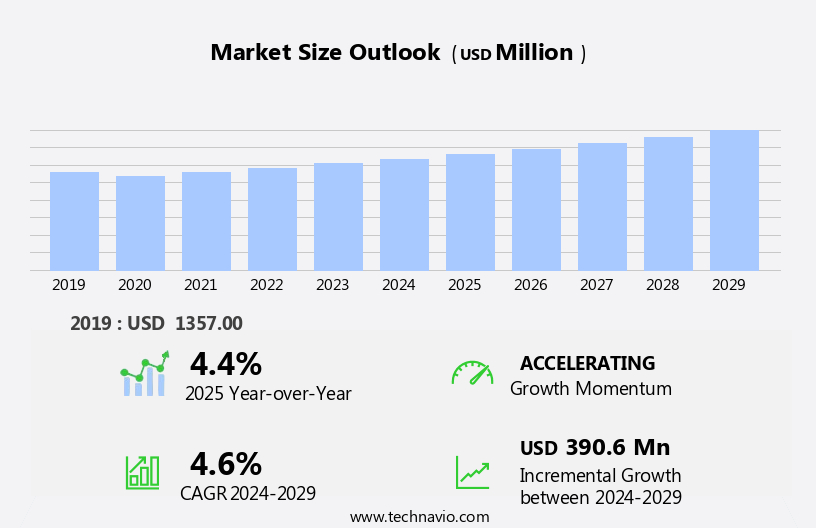
Explore in-depth regional segment analysis with market size data - historical 2019-2023 and forecasts 2025-2029 - in the full report.
Request Free Sample
- The market encompasses a range of technologies and tools designed to ensure product quality, optimize processes, and comply with regulatory standards in the textile industry. Key areas of focus include textile chemistry, material science, and fiber technology, which are integral to textile design and engineering. Report generation software and quality control systems facilitate efficient data management and analysis. Abrasion and bursting strength testers assess fabric durability, while tensile testers measure fiber strength and elasticity. Fiber identification systems enable accurate material analysis, and image analysis software aids in textile research and development. Bio-based fibers and smart textiles are driving innovation in the sector, necessitating advanced testing solutions.
- Material testing labs employ flammability chambers and data logging systems to ensure safety and compliance. Waste reduction and circular economy principles are influencing market trends, with digital transformation playing a crucial role in streamlining processes and enhancing efficiency. Textile certification and the development of wearable technology further expand the market's scope, as industry players strive to meet evolving consumer demands and regulatory requirements. Textile physics and research continue to advance, fueling ongoing innovation and growth in the sector.
How is this Textile Testing Equipment Industry segmented?
The textile testing equipment industry research report provides comprehensive data (region-wise segment analysis), with forecasts and estimates in "USD million" for the period 2025-2029, as well as historical data from 2019-2023 for the following segments.
- End-user
- Textile companies
- Professional testing agencies
- Application
- Apparel industry
- Footwear industry
- Others
- Technology
- Manual
- Semi-automated equipment
- Fully automated and smart
- Geography
- North America
- US
- Europe
- France
- Germany
- Italy
- UK
- APAC
- Australia
- China
- India
- Japan
- South Korea
- Rest of World (ROW)
- North America
By End-user Insights
The textile companies segment is estimated to witness significant growth during the forecast period. Textile testing equipment plays a crucial role in ensuring the quality and performance of various textile products. In the dynamic textile industry, textile companies are driving the growth of the market. The increasing demand for textiles in numerous sectors, such as automotive, medical, home furnishings, and apparel, necessitates rigorous testing to meet the required standards. Textile testing laboratories employ advanced technologies, including digital imaging, software analysis, and automated testing, to evaluate fabric properties like pilling resistance, bursting strength, moisture management, and color fastness. Eco-friendly materials and recycled textiles are gaining popularity, necessitating testing for recovery rate, fabric weight, and other properties. Moreover, the integration of Artificial Intelligence (AI) and Internet of Things (IoT) technologies is enabling the development of better testing equipments.
ISO and ASTM standards guide the textile manufacturing process, ensuring consistency and quality. Textile testing equipment facilitates the measurement of properties like hand feel, surface smoothness, water repellency, and wrinkle resistance. Additionally, testing for performance attributes, such as dimensional stability, tear resistance, and seam strength, is essential for industrial fabrics and technical textiles. Textile manufacturers continually innovate to offer products with improved efficiency and enhanced properties. For instance, Checkline's equipment enables measuring and evaluating textile properties like thickness, weight, tear strength, color, and flammability. The integration of data acquisition systems and fiber analysis further enhances the testing process.
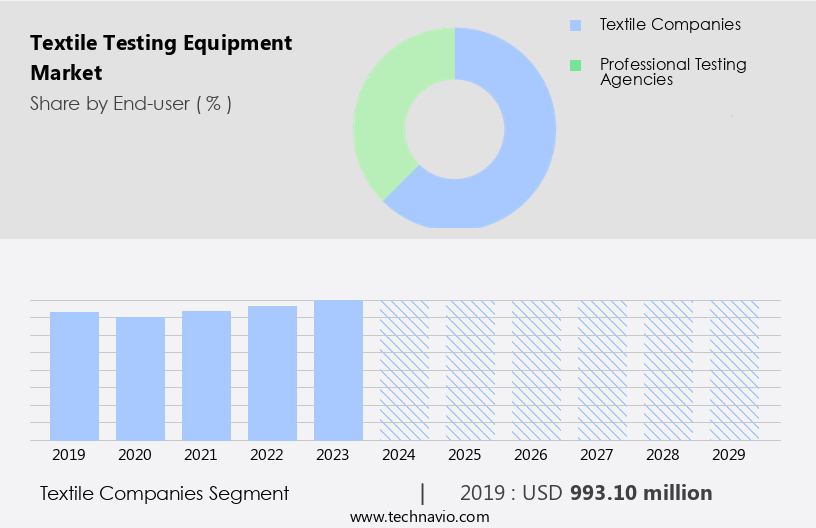
The Textile companies segment was valued at USD 993.10 million in 2019 and showed a gradual increase during the forecast period.
Regional Analysis
APAC is estimated to contribute 55% to the growth of the global market during the forecast period. Technavio's analysts have elaborately explained the regional trends and drivers that shape the market during the forecast period.
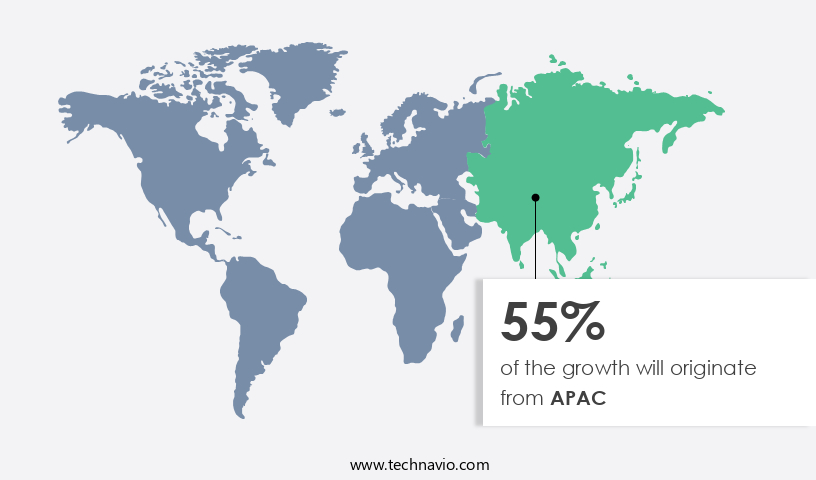
The textile industry in the Asia-Pacific (APAC) region is a significant global player, with China, India, Bangladesh, and Vietnam leading in manufacturing. Bangladesh and Vietnam import raw textile materials from India, producing finished goods for export. China, India, Vietnam, Pakistan, and Indonesia are major investors in textile testing equipment, prioritizing quality standards and international regulation compliance. China is a hub for global textile machinery and testing equipment investments. Companies like Testex contribute to this market, providing extensive testing solutions for physical properties, colorfastness, flammability, and performance evaluation. Eco-friendly materials are gaining traction, driving the demand for testing equipment that assesses sustainability.
Technical textiles, including medical, automotive, and industrial fabrics, require rigorous testing for properties like bursting strength, tear resistance, and moisture management. Digital imaging and software analysis facilitate efficient supply chain management and quality control. Textile testing laboratories use ISO and ASTM standards for material characterization, ensuring consistency and reliability. The apparel industry relies on testing for dimensional stability, hand feel, and finishing techniques like printing processes and wrinkle resistance. Performance evaluation of textiles, including UV resistance, water repellency, and recovery rate, is crucial for various industries. Additionally, testing for chemical resistance, abrasion resistance, color fastness, and antimicrobial properties are essential for textile manufacturing.
Market Dynamics
Our researchers analyzed the data with 2024 as the base year, along with the key drivers, trends, and challenges. A holistic analysis of drivers will help companies refine their marketing strategies to gain a competitive advantage.
What are the Textile Testing Equipment market drivers leading to the rise in the adoption of Industry?
- The increase in demand for technical textiles serves as the primary driver propelling market growth. The market experiences growth due to the increasing demand for quality assurance in technical textiles. These textiles are subjected to rigorous testing to ensure they meet specific performance standards. The testing process encompasses various procedures, including pilling resistance, bursting strength, and eco-friendly material evaluation. Technical textiles serve diverse industries, such as medical textiles, automotive textiles, home furnishings, and textile standards. To maintain high-quality products, each component is scrutinized at every stage of manufacturing. This includes testing for textile standards, digital imaging, software analysis, and supply chain management. Compliance with industry standards, such as ASTM, is essential to ensure textiles meet regulatory requirements.
- Technical textiles are integral to various industries due to their unique properties, necessitating stringent testing. For instance, medical textiles require high-performance standards to ensure patient safety, while automotive textiles must endure extreme conditions. Home furnishings demand durability and aesthetics, and textile testing laboratories play a crucial role in ensuring these requirements are met.
What are the Textile Testing Equipment market trends shaping the Industry?
- The use of sustainable fibers is gaining increasing popularity in the textile industry, representing a significant market trend. The market has witnessed significant growth due to the increasing focus on sustainability and quality control in the textile industry. Manufacturers are turning towards eco-friendly materials, such as bio-based and recycled textiles, to reduce the environmental impact of textile production. For instance, yarns made from bio-based materials offer better UV resistance and recovery rate, making them suitable for aerospace textiles and technical textiles. The demand for automated testing equipment is also on the rise to ensure consistent fabric weight, hand feel, and moisture management. ISO standards are crucial in maintaining quality and ensuring compliance with regulations. Companies are investing in advanced testing technologies to meet these requirements and stay competitive.
- Additionally, the use of sustainable fibers, such as recycled textiles, is becoming increasingly popular. Levi Strauss, for example, has incorporated recycled plastic bottles into its denim fabric and continues to advance its Better Cotton Initiative to minimize water usage and pesticide reliance. These initiatives demonstrate the importance of textile testing equipment in ensuring fiber strength, durability, and overall quality in the textile industry.
How does Textile Testing Equipment market face challenges during its growth?
- Operational challenges, such as supply chain disruptions and quality control issues, pose significant hurdles to Original Equipment Manufacturers (OEMs), thereby impeding industry growth. Textile testing equipment is essential for ensuring the quality and performance of textiles in various industries. Key properties tested include water repellency, surface smoothness, stain resistance, wrinkle resistance, compression set, and fiber analysis. Data acquisition systems are utilized to collect and analyze test data, while finishing techniques and printing processes are also evaluated. Report generation is a crucial aspect of textile testing, providing valuable insights for manufacturers and consumers. Textile manufacturers face operational challenges such as inconsistent power supply, which can increase machine stress and lead to higher maintenance and production costs. This issue is prevalent in several countries, particularly in Southeast Asia, where India, Pakistan, and Bangladesh experience significant power deficits.
- In the Philippines, an Economic Intelligence Unit report predicts that electricity demand will exceed supply within the next five years due to strict regulations and bureaucratic uncertainties. Moreover, textiles must exhibit various performance characteristics, such as chemical resistance, abrasion resistance, and fiber analysis. AATCC standards provide guidelines for testing these properties, ensuring consistent quality and compliance with industry regulations. The market continues to evolve, with a focus on enhancing garment performance through advanced finishing processes and care labels for homemade garments.
Exclusive Customer Landscape
The textile testing equipment market forecasting report includes the adoption lifecycle of the market, covering from the innovator's stage to the laggard's stage. It focuses on adoption rates in different regions based on penetration. Furthermore, the textile testing equipment market report also includes key purchase criteria and drivers of price sensitivity to help companies evaluate and develop their market growth analysis strategies.
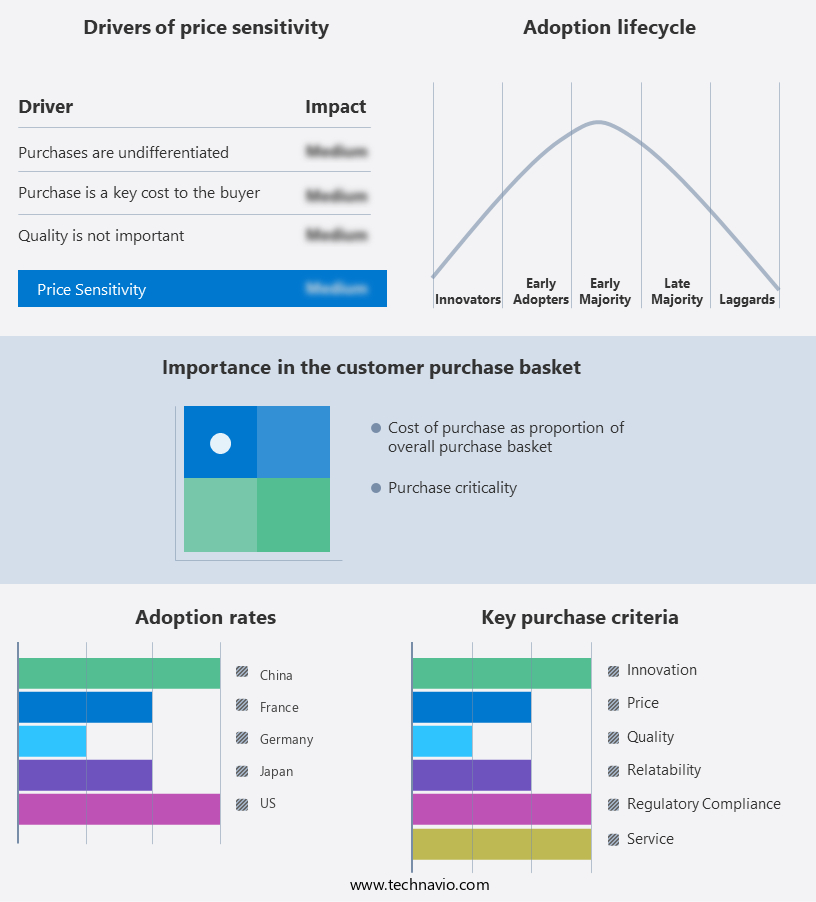
Customer Landscape
Key Companies & Market Insights
Companies are implementing various strategies, such as strategic alliances, textile testing equipment market forecast, partnerships, mergers and acquisitions, geographical expansion, and product/service launches, to enhance their presence in the industry.
AMETEK Inc. - This company specializes in providing advanced textile testing solutions.
The industry research and growth report includes detailed analyses of the competitive landscape of the market and information about key companies, including:
- AMETEK Inc.
- Bureau Veritas SA
- Eurofins Scientific SE
- Hohenstein
- Intertek Group Plc
- Paramount Instruments Pvt. Ltd.
- QIMA Ltd.
- Rieter Holding AG
- Roaches Ltd.
- SDL Atlas
- SGS SA
- SMARTEX.AI
- TESTEX Instruments Ltd.
- TUV SUD
- TUV SUD AG
Qualitative and quantitative analysis of companies has been conducted to help clients understand the wider business environment as well as the strengths and weaknesses of key industry players. Data is qualitatively analyzed to categorize companies as pure play, category-focused, industry-focused, and diversified; it is quantitatively analyzed to categorize companies as dominant, leading, strong, tentative, and weak.
Recent Development and News in Textile Testing Equipment Market
- In February 2023, SGS, a leading inspection, verification, testing, and certification company, announced the launch of its new textile testing laboratory in Ho Chi Minh City, Vietnam. This expansion strengthens SGS's presence in the Asia Pacific region and supports the growing demand for textile testing services in the area (SGS press release, 2023).
- In March 2024, PerkinElmer, a global technology company, entered into a strategic partnership with the Indian Textile Industry Institute and Research Association (ITIIRA). This collaboration aims to develop advanced testing solutions for the Indian textile industry, focusing on sustainability and quality (PerkinElmer press release, 2024).
- In May 2024, Gerber Technology, a leading provider of integrated software and automation solutions for the apparel and industrial markets, raised USD 150 million in a funding round. The investment will support the company's continued growth and innovation in textile testing technology (Business Wire, 2024).
Research Analyst Overview
The market is characterized by its continuous evolution and dynamic nature, with ongoing advancements shaping its applications across various sectors. Yarn count and fabric weight are essential factors in assessing textile quality, while UV resistance and ISO standards ensure compliance with industry regulations. Quality control is a top priority, with automated testing solutions and digital imaging software analysis streamlining the process. Eco-friendly materials, such as bio-based and recycled textiles, are gaining popularity, driving innovation in textile testing laboratories. Technical textiles, including those used in aerospace, automotive, and medical industries, require rigorous testing for performance evaluation. Moisture management, water repellency, and surface smoothness are crucial factors in these applications.
AATCC and ASTM standards guide testing for various textile properties, including bursting strength, pilling resistance, and color fastness. Textile manufacturing processes, from dyeing and printing to finishing techniques, require comprehensive testing to ensure optimal performance and compliance with industry regulations. Performance evaluation of industrial fabrics and apparel materials is essential for assessing their suitability for specific applications. Textile testing equipment plays a vital role in ensuring product quality and safety, with data acquisition systems and fiber analysis providing valuable insights into material properties. Stain resistance, wrinkle resistance, compression set, and chemical and abrasion resistance are critical factors in evaluating textile performance.
The Textile Testing Equipment Market is advancing with cutting-edge technology to ensure fabric durability and safety. Instruments like the tensile tester and bursting strength tester assess material strength, while the abrasion tester evaluates wear resistance. Fire safety is crucial, making the flammability chamber a key testing tool. A fiber identification system aids in precise material classification, enhancing quality assurance. The integration of data logging system and quality control software streamlines analysis, improving efficiency. Innovations in textile engineering drive advancements in material testing labs, promoting textile process optimization. With growing demand for sustainable materials, textile innovation is shaping the future, ensuring enhanced performance and reliability in the industry.
Dive into Technavio's strong research methodology, blending expert interviews, extensive data synthesis, and validated models for unparalleled Textile Testing Equipment Market insights. See full methodology.
|
Market Scope |
|
|
Report Coverage |
Details |
|
Page number |
220 |
|
Base year |
2024 |
|
Historic period |
2019-2023 |
|
Forecast period |
2025-2029 |
|
Growth momentum & CAGR |
Accelerate at a CAGR of 4.6% |
|
Market growth 2025-2029 |
USD 390.6 million |
|
Market structure |
Fragmented |
|
YoY growth 2024-2025(%) |
4.4 |
|
Key countries |
China, US, Japan, India, Germany, South Korea, France, Australia, UK, and Italy |
|
Competitive landscape |
Leading Companies, Market Positioning of Companies, Competitive Strategies, and Industry Risks |
What are the Key Data Covered in this Textile Testing Equipment Market Research and Growth Report?
- CAGR of the Textile Testing Equipment industry during the forecast period
- Detailed information on factors that will drive the growth and forecasting between 2025 and 2029
- Precise estimation of the size of the market and its contribution of the industry in focus to the parent market
- Accurate predictions about upcoming growth and trends and changes in consumer behaviour
- Growth of the market across APAC, Europe, North America, Middle East and Africa, and South America
- Thorough analysis of the market's competitive landscape and detailed information about companies
- Comprehensive analysis of factors that will challenge the textile testing equipment market growth of industry companies
We can help! Our analysts can customize this textile testing equipment market research report to meet your requirements.
 RIA -
RIA -