


Tissue Paper Market Size 2026-2030
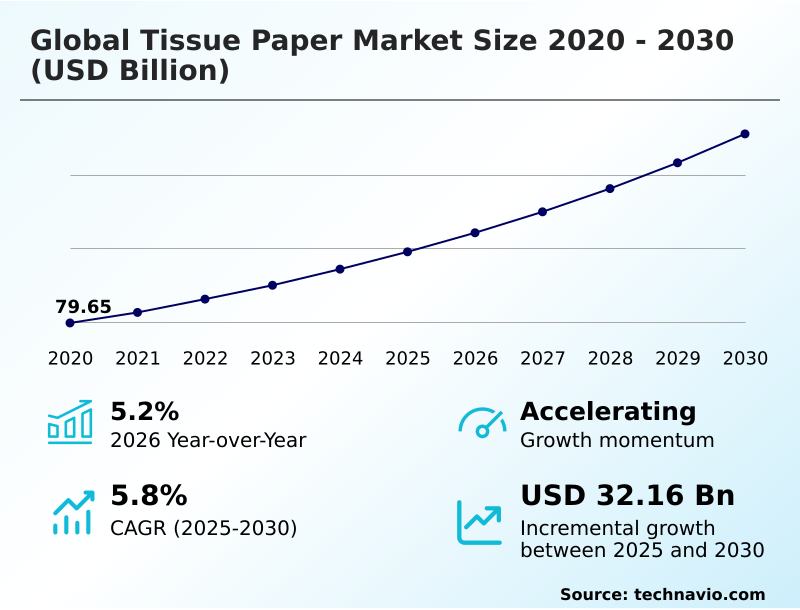
The tissue paper market size is valued to increase by USD 32.16 billion, at a CAGR of 5.8% from 2025 to 2030. Escalating global emphasis on health and hygiene awareness will drive the tissue paper market.
Major Market Trends & Insights
- APAC dominated the market and accounted for a 36.2% growth during the forecast period.
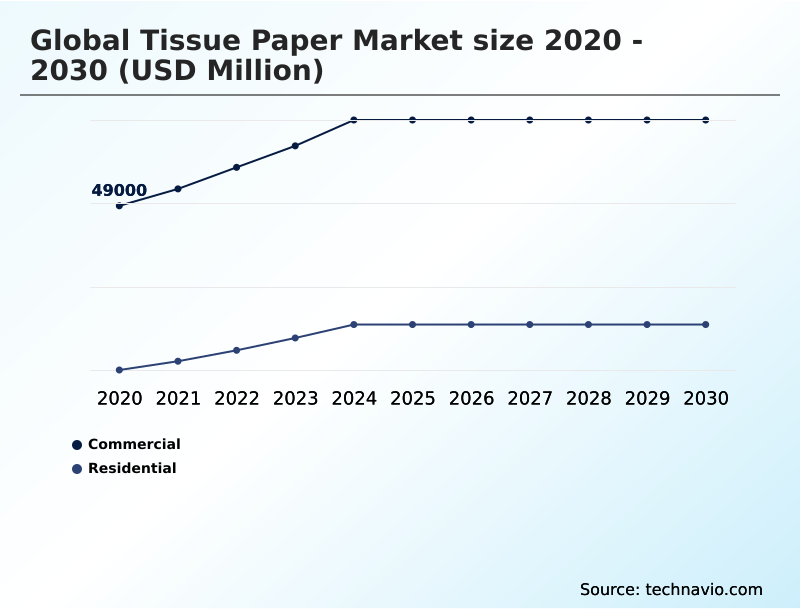
- By Application - Commercial segment was valued at USD 58.59 billion in 2024
- By Distribution Channel - Hypermarkets and supermarkets segment accounted for the largest market revenue share in 2024
Market Size & Forecast
- Market Opportunities: USD 51.56 billion
- Market Future Opportunities: USD 32.16 billion
- CAGR from 2025 to 2030 : 5.8%
Market Summary
- The tissue paper market is undergoing a significant transformation shaped by evolving consumer behaviors and a heightened global focus on sustainability and hygiene. Growth is fueled by increasing sanitation awareness, particularly in emerging economies where rising disposable incomes facilitate greater adoption of hygiene products.
- In mature markets, the emphasis shifts toward premiumization, with consumers seeking products offering superior softness, strength, and value-added features. A critical business scenario involves optimizing the supply chain to manage the fluctuating costs of raw materials like virgin wood pulp and recycled fibers.
- For instance, a manufacturer must balance sourcing certified sustainable pulp with implementing energy-efficient production technologies to mitigate cost pressures while meeting consumer demand for eco-friendly options. This requires a sophisticated strategy that integrates responsible sourcing, efficient manufacturing, and transparent marketing to navigate intense competition and maintain profitability.
- The industry's trajectory is thus defined by this interplay of hygiene, sustainability, and operational excellence.
What will be the Size of the Tissue Paper Market during the forecast period?
Get Key Insights on Market Forecast (PDF) Get Free Sample
How is the Tissue Paper Market Segmented?
The tissue paper industry research report provides comprehensive data (region-wise segment analysis), with forecasts and estimates in "USD million" for the period 2026-2030, as well as historical data from 2020-2024 for the following segments.
- Application
- Commercial
- Residential
- Distribution channel
- Hypermarkets and supermarkets
- Convenience stores
- Online retail
- Drug and pharmacy stores
- Product
- Toilet paper
- Facial tissue
- Paper towel
- Others
- Geography
- APAC
- China
- India
- Japan
- North America
- US
- Canada
- Mexico
- Europe
- Germany
- UK
- France
- South America
- Brazil
- Argentina
- Middle East and Africa
- UAE
- Saudi Arabia
- South Africa
- Rest of World (ROW)
- APAC
By Application Insights
The commercial segment is estimated to witness significant growth during the forecast period.
The commercial segment, or away-from-home (AFH) sector, is driven by distinct purchasing criteria focused on functionality and cost-effectiveness over aesthetic qualities.
This B2B supply chain serves entities in hospitality, healthcare, and corporate sectors, where demand for jumbo roll bathroom tissue and hardwound roll towels is constant. Product formats are specialized for high-traffic environments, emphasizing durability, high absorbency, and superior wet strength.
Dispensing systems are critical, with proprietary center-pull dispensing and high-capacity roll towels designed to reduce labor and minimize waste.
The integration of smart restroom management solutions, including motion-activated dispensers, improves operational efficiency, with facilities reporting up to a 15% reduction in product waste.
This focus on performance and efficiency defines the AFH market, contrasting sharply with the consumer price sensitivity seen in the residential segment.
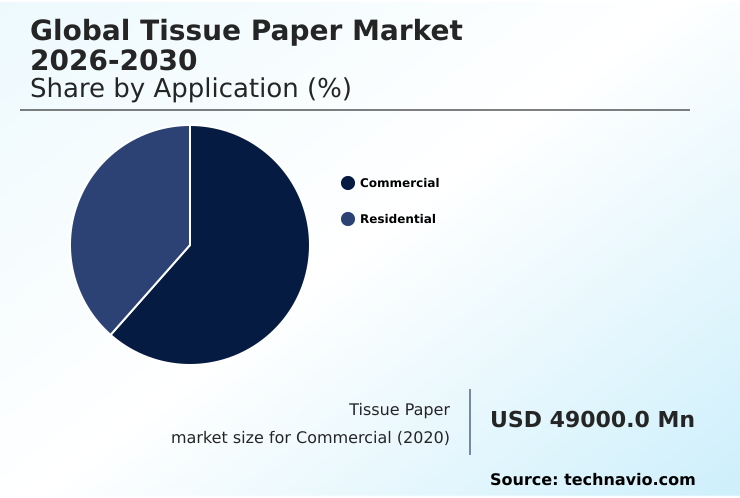
The Commercial segment was valued at USD 58.59 billion in 2024 and showed a gradual increase during the forecast period.
Regional Analysis
APAC is estimated to contribute 36.2% to the growth of the global market during the forecast period.Technavio’s analysts have elaborately explained the regional trends and drivers that shape the market during the forecast period.
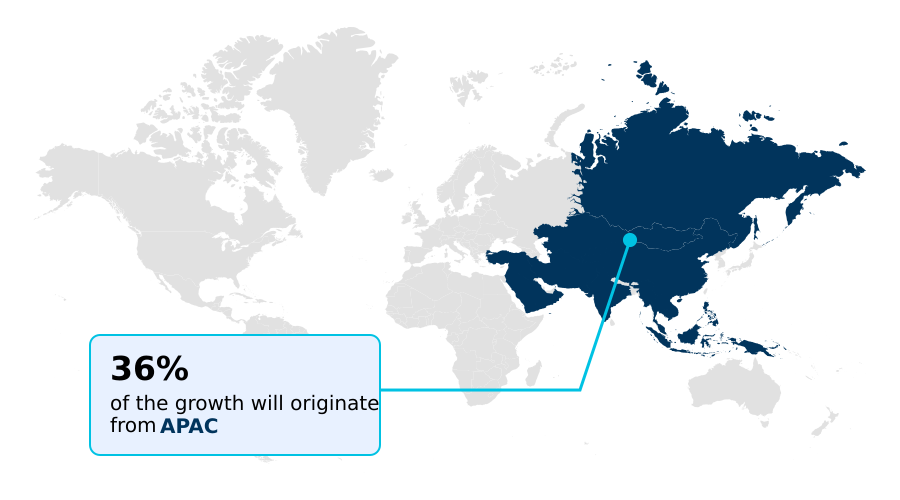
See How Tissue Paper Market Demand is Rising in APAC Get Free Sample
The geographic landscape of the tissue paper market is defined by a dual dynamic: market saturation in developed regions versus rapid growth in emerging economies.
North America and Europe, which together account for a substantial portion of the market, are characterized by intense competition and a focus on premiumization, including hypoallergenic tissues and products with unique aesthetic improvements.
In contrast, the APAC region, contributing over 36% of the incremental growth, is driven by rising incomes and hygiene awareness.
In these emerging markets, the focus is on increasing the penetration of basic consumer tissue products, with a gradual shift toward better quality. Innovations like advanced creping processes and embossing patterns are being adopted globally, but their market penetration varies.
Sustainability is a unifying global theme, with a growing demand for eco-friendly paper towels and products with proven biodegradability and responsible sourcing credentials.
Market Dynamics
Our researchers analyzed the data with 2025 as the base year, along with the key drivers, trends, and challenges. A holistic analysis of drivers will help companies refine their marketing strategies to gain a competitive advantage.
- Strategic decision-making in the tissue paper market requires a deep analysis of several interconnected factors. A primary consideration is the impact of pulp price on tissue market dynamics, which directly influences profitability and pricing strategies. Businesses must also understand consumer preference for recycled tissue paper, which is a key driver in sustainable product development.
- The growth of private label tissue products presents a significant competitive challenge, forcing brands to highlight unique selling points, such as the benefits of through-air-dried technology for superior softness and absorbency. Simultaneously, firms are responding to market demands with innovations in sustainable tissue packaging.
- Key challenges in the tissue paper supply chain, from logistics for jumbo rolls to managing energy costs in tissue production, require constant optimization. On the demand side, AFH tissue market trends post-pandemic continue to favor hygiene and touchless systems, driving interest in IoT in commercial restroom management and the cost-effectiveness of hardwound roll towels. The debate over bamboo vs.
- virgin pulp for toilet paper continues, linked to sustainability narratives. Market drivers for premium tissue paper include the dermatological benefits of infused facial tissues and trends in aesthetic tissue product design. Water conservation in paper manufacturing has become a critical operational metric, with leading plants reducing consumption by over 20% compared to older facilities.
- Success hinges on navigating these complexities, from understanding the role of FSC certification in consumer choice to addressing the challenges of market saturation in Europe through targeted innovation in areas like hypoallergenic tissues and wipes and advancements in the creping process.
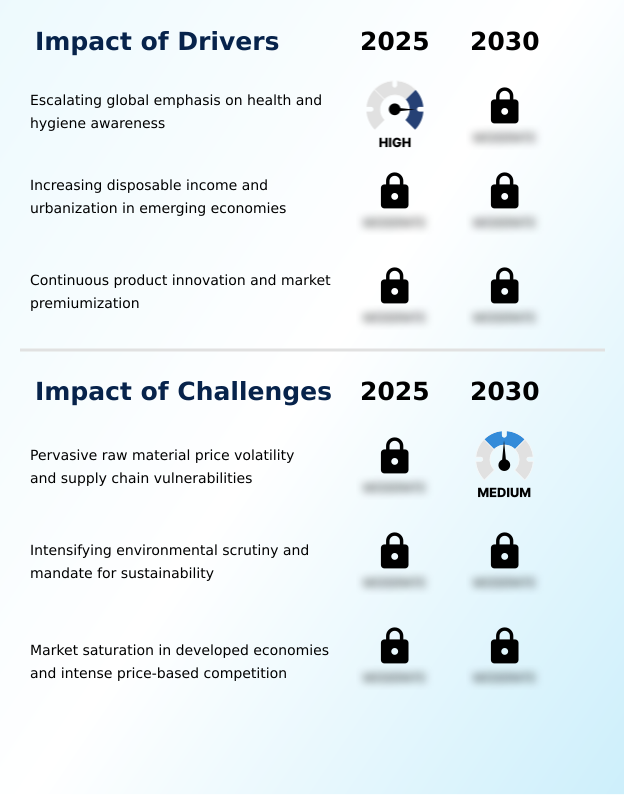
What are the key market drivers leading to the rise in the adoption of Tissue Paper Industry?
- An escalating global emphasis on health and hygiene awareness serves as a key driver for the tissue paper market, reinforcing its status as an essential product.
- Market growth is propelled by rising hygiene awareness and economic development in emerging economies. Increasing disposable income fuels the premiumization trend, where consumers trade up to higher-quality consumer tissue with enhanced value-added features.
- This shift is evident in the growing demand for products with superior softness, a higher ply count, and advanced functional enhancements. The residential commercial segment now accounts for over 60% of the market value, underscoring the importance of at-home consumption.
- Innovations targeting sensory attributes and dermatological health, such as lotion-infused toilet paper and skin-friendly facial tissues, help foster brand loyalty and justify higher price points.
- This continuous product differentiation allows manufacturers to capture a wider market spectrum, from basic economy options to ultra-premium offerings that cater to specific lifestyle preferences and command higher margins.
What are the market trends shaping the Tissue Paper Industry?
- The mainstreaming of sustainable and alternative fiber sources represents a transformative market trend. This shift is propelled by increasing consumer demand for eco-friendly products and stringent regulatory standards.
- Key market trends are reshaping the tissue paper industry, driven by sustainability and technological integration. The shift towards sustainable tissue production is accelerating, with a focus on alternative fibers like bamboo pulp and sugarcane bagasse. Companies are increasingly adopting post-consumer recycled content and non-wood alternative fibers to reduce their carbon footprint, with some achieving a 15% reduction in emissions.
- This is reinforced by a demand for eco-label certifications and plastic-free tissue packaging. Simultaneously, the proliferation of specialized products, including those for dermatological health and aesthetic improvements, addresses niche consumer demands.
- In the commercial sector, the integration of IoT-enabled dispensers into smart restroom management systems is optimizing operations, leading to waste reductions of up to 25% and enhancing hygiene through touchless technology. These trends signal a move toward a more sustainable and data-driven circular economy in paper.
What challenges does the Tissue Paper Industry face during its growth?
- Pervasive raw material price volatility and supply chain vulnerabilities present a key challenge affecting the industry's growth and profitability.
- The tissue paper market faces significant challenges from raw material price volatility and intense environmental scrutiny. Dependence on virgin wood pulp exposes manufacturers to price swings that can compress margins by up to 10% during peak-cost periods. This highlights the importance of supply chain transparency and operational efficiency.
- In response, some firms are investing in de-inking technology to improve the quality of recycled fibers, though this presents its own processing complexities. In mature markets, market saturation and the rise of private label products, which now capture over 30% of sales in some regions, create relentless price pressure.
- The energy-intensive drying process and high water consumption remain under regulatory focus, compelling investment in technologies that support water consumption reduction and a lower carbon footprint, further challenging profitability in a competitive landscape.
Exclusive Technavio Analysis on Customer Landscape
The tissue paper market forecasting report includes the adoption lifecycle of the market, covering from the innovator’s stage to the laggard’s stage. It focuses on adoption rates in different regions based on penetration. Furthermore, the tissue paper market report also includes key purchase criteria and drivers of price sensitivity to help companies evaluate and develop their market growth analysis strategies.
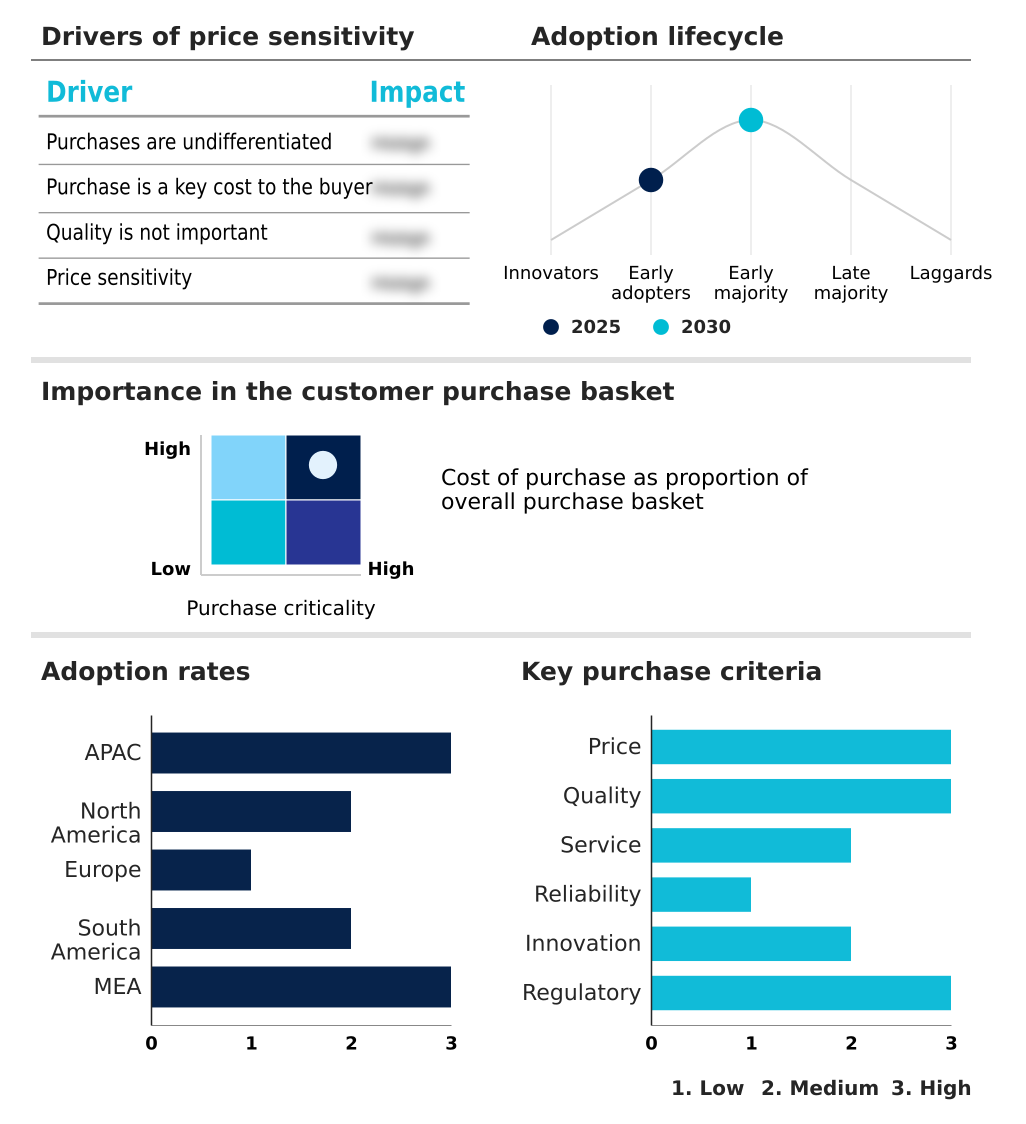
Customer Landscape of Tissue Paper Industry
Competitive Landscape
Companies are implementing various strategies, such as strategic alliances, tissue paper market forecast, partnerships, mergers and acquisitions, geographical expansion, and product/service launches, to enhance their presence in the industry.
Carmen Tissues SAE - Key offerings include a comprehensive portfolio of personal care, consumer tissue, and professional hygiene solutions designed for diverse market needs and applications.
The industry research and growth report includes detailed analyses of the competitive landscape of the market and information about key companies, including:
- Carmen Tissues SAE
- Cascades Inc.
- Empresas CMPC S.A.
- Essity AB
- First Quality Enterprises
- Georgia Pacific LLC
- Hengan Group Co. Ltd.
- Indevco Paper Making
- J.D. Irving Ltd.
- Kimberly Clark Corp.
- Kruger Inc.
- Marcal Paper
- Metsa Group
- Procter and Gamble Co.
- Sofidel Group
- Solaris Paper Inc.
- Suzano SA
- Unicharm Corp.
- WEPA Hygieneprodukte GmbH
Qualitative and quantitative analysis of companies has been conducted to help clients understand the wider business environment as well as the strengths and weaknesses of key industry players. Data is qualitatively analyzed to categorize companies as pure play, category-focused, industry-focused, and diversified; it is quantitatively analyzed to categorize companies as dominant, leading, strong, tentative, and weak.
Recent Development and News in Tissue paper market
- In October, 2024, Suzano SA and Kimberly-Clark Corp. announced a major joint venture to create a new global tissue company, a strategic move designed to leverage Suzano's pulp production expertise with Kimberly-Clark's global brand reach to enhance scale and efficiency in a competitive market.
- In November, 2024, Middle East Paper Co. (MEPCO) held a groundbreaking ceremony for its second tissue production line in King Abdullah Economic City, a project valued at approximately $57.69 million, which will add 60,000 tonnes of annual capacity and support Saudi Arabia's industrial transformation goals.
- In January, 2025, Essity AB initiated a consultation process regarding the proposed closure of its Tawd plant in the United Kingdom, reflecting a strategic shift to optimize production capacity and consolidate operations within more modern and efficient integrated facilities.
- In April, 2025, Kruger Products Inc. officially unveiled its new light dry crepe (LDC) tissue facility in Sherbrooke, Canada, an investment that effectively doubled the plant’s output to over 130,000 metric tonnes annually to meet growing North American demand for high-quality tissue products.
Dive into Technavio’s robust research methodology, blending expert interviews, extensive data synthesis, and validated models for unparalleled Tissue Paper Market insights. See full methodology.
| Market Scope | |
|---|---|
| Page number | 330 |
| Base year | 2025 |
| Historic period | 2020-2024 |
| Forecast period | 2026-2030 |
| Growth momentum & CAGR | Accelerate at a CAGR of 5.8% |
| Market growth 2026-2030 | USD 32158.0 million |
| Market structure | Fragmented |
| YoY growth 2025-2026(%) | 5.2% |
| Key countries | China, India, Japan, South Korea, Australia, Indonesia, US, Canada, Mexico, Germany, UK, France, Italy, Spain, The Netherlands, Brazil, Argentina, Chile, UAE, Saudi Arabia, South Africa, Egypt and Turkey |
| Competitive landscape | Leading Companies, Market Positioning of Companies, Competitive Strategies, and Industry Risks |
Research Analyst Overview
- The tissue paper market's continuous evolution is steered by the interplay between technological innovation and sustainability mandates. At the production level, the industry is balancing the use of traditional virgin wood pulp with recycled fibers and alternative fibers like bamboo pulp and sugarcane bagasse.
- Key manufacturing technologies, including through-air-dried technology, the creping process, and advanced de-inking technology, are pivotal for achieving desired product attributes such as absorbency, softness, and wet strength. Innovations in embossing patterns and managing ply count contribute to product differentiation.
- For boardroom decisions, the push for sustainability is paramount, influencing everything from sourcing with FSC certification and PEFC certification to adopting chlorine-free bleaching. The market is also responding to health-focused consumer demands with hypoallergenic tissues, products with skin conditioning agents, and antibacterial properties.
- In the commercial sector, the shift towards IoT-enabled dispensers, motion-activated dispensers, and touchless technology like center-pull dispensing for hardwound roll towels and jumbo roll bathroom tissue is redefining hygiene standards. With APAC poised to contribute over 36% of incremental growth, understanding the drivers of premiumization and the competitive threat from private label products is critical for strategic planning.
What are the Key Data Covered in this Tissue Paper Market Research and Growth Report?
-
What is the expected growth of the Tissue Paper Market between 2026 and 2030?
-
USD 32.16 billion, at a CAGR of 5.8%
-
-
What segmentation does the market report cover?
-
The report is segmented by Application (Commercial, and Residential), Distribution Channel (Hypermarkets and supermarkets, Convenience stores, Online retail, and Drug and pharmacy stores), Product (Toilet paper, Facial tissue, Paper towel, and Others) and Geography (APAC, North America, Europe, South America, Middle East and Africa)
-
-
Which regions are analyzed in the report?
-
APAC, North America, Europe, South America and Middle East and Africa
-
-
What are the key growth drivers and market challenges?
-
Escalating global emphasis on health and hygiene awareness, Pervasive raw material price volatility and supply chain vulnerabilities
-
-
Who are the major players in the Tissue Paper Market?
-
Carmen Tissues SAE, Cascades Inc., Empresas CMPC S.A., Essity AB, First Quality Enterprises, Georgia Pacific LLC, Hengan Group Co. Ltd., Indevco Paper Making, J.D. Irving Ltd., Kimberly Clark Corp., Kruger Inc., Marcal Paper, Metsa Group, Procter and Gamble Co., Sofidel Group, Solaris Paper Inc., Suzano SA, Unicharm Corp. and WEPA Hygieneprodukte GmbH
-
Market Research Insights
- The tissue paper market's dynamics are shaped by a strategic push toward product differentiation and operational efficiency. As consumer price sensitivity persists, manufacturers focus on developing value-added features and enhancing sensory attributes to foster brand loyalty. Innovations in dermatological health, such as lotion-infused and hypoallergenic tissues, address specific consumer needs, while functional enhancements in paper towels improve performance.
- The rise of private label products has intensified competition, compelling brands to innovate. In the commercial sector, B2B supply chains are being optimized through smart technologies, with some facilities achieving a 15% reduction in labor costs through data-driven restroom management.
- Furthermore, a focus on sustainable production has led to process improvements that cut water consumption by up to 20%, aligning with corporate responsibility goals and appealing to eco-conscious buyers.
We can help! Our analysts can customize this tissue paper market research report to meet your requirements.
 RIA -
RIA -