

US Floriculture Market Size 2025-2029
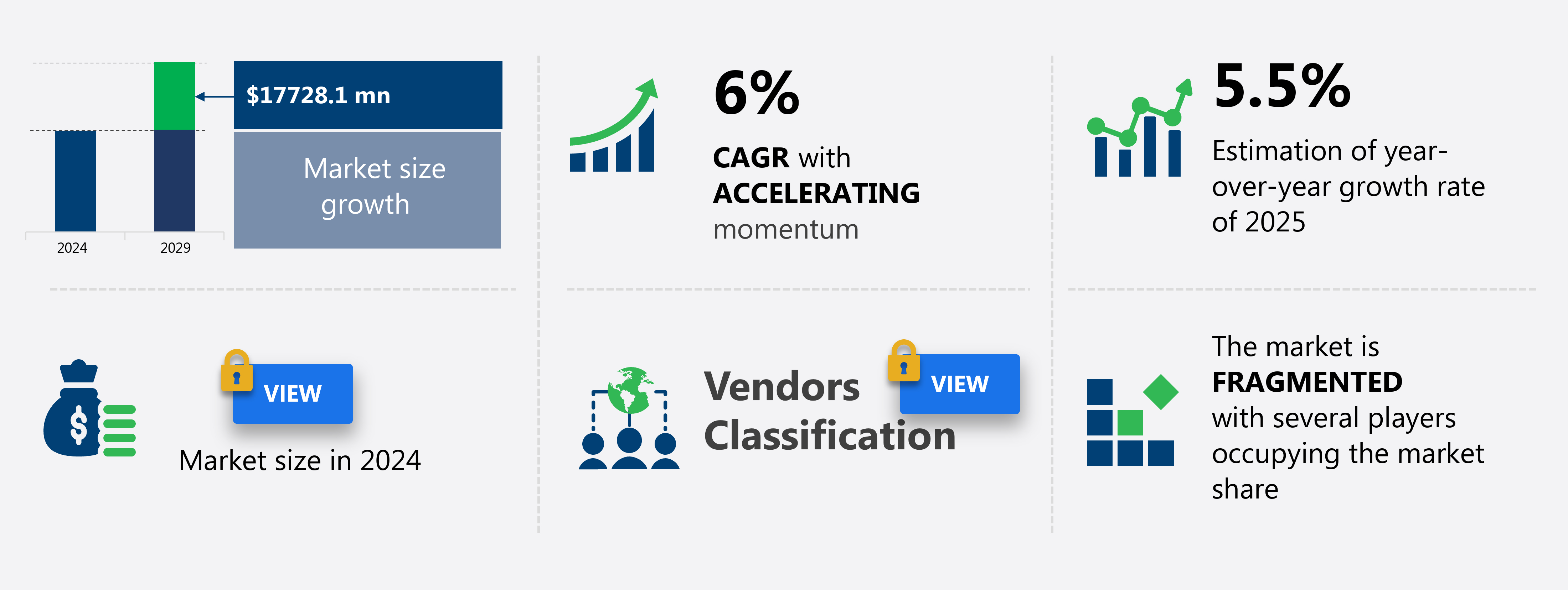
The floriculture market in US size is forecast to increase by USD 17.73 billion at a CAGR of 6% between 2024 and 2029.
- The floriculture market in the US is experiencing significant growth due to the increasing demand for premium flowers. This trend is driven by the rising awareness of the aesthetic and psychological benefits of flowers, leading consumers to spend more on high-quality blooms for various occasions and decorative purposes. Technological advancements in the sector are also playing a crucial role in market growth, with innovations in hydroponics, vertical farming, and automation streamlining production processes and enhancing yields. However, the industry faces challenges such as the shortage of labor, which can impact production costs and efficiency. Technological advancements in the floriculture sector, such as biotechnology solutions for genetic modification, have improved the color, shape, and postharvest life of flowers, making them more appealing to consumers.
- Addressing this issue through the adoption of labor-saving technologies and alternative workforce solutions will be key to mitigating the impact on the market. Overall, the US floriculture market is poised for steady growth, fueled by consumer preferences for premium flowers and technological innovations.
What will be the Size of the market During the Forecast Period?
-
The floriculture market encompasses the production and trade of specialty cut flowers, ornamental plants, and potted flowering and foliage plants. This industry is characterized by its seasonality, with key holidays such as Valentine's Day and Mother's Day driving significant demand for fresh blooms. The market size is substantial, with continuous growth driven by advancements in technology and consumer preferences. Plant biotechnology, including genome sequencing, is revolutionizing floriculture crops, enabling the development of new varieties with improved growing characteristics and longer vase life. Growing room requirements, such as temperature, humidity, and light control, are essential to optimize plant growth and quality.
Pest management and plant spacing are critical factors in maintaining a healthy crop, ensuring the production of high-quality flower heads. The ornamental horticulture sector also includes a diverse range of plants, from annuals and perennials to shrubs and trees, catering to various applications and consumer preferences. Overall, the floriculture market is a dynamic and innovative industry, continually adapting to meet the evolving needs of consumers and the global market.
How is this market segmented and which is the largest segment?
The market research report provides comprehensive data (region-wise segment analysis), with forecasts and estimates in "USD million" for the period 2025-2029, as well as historical data from 2019-2023 for the following segments.
- Product
- Cut flowers
- Bedding plants
- Potted plants
- Others
- Application
- Residential
- Landscaping and gardening
- Commercial
- Event decoration
- Funeral services
- Type
- Rose
- Chrysanthemum
- Carnation
- Others
- Distribution Channel
- Offline
- Online
- Geography
- US
By Product Insights
- The cut flowers segment is estimated to witness significant growth during the forecast period. The US floriculture market encompasses the production and sale of cut flowers for decorative purposes. Notable cut flower varieties include roses, carnations, lilies, tulips, sunflowers, orchids, and seasonal blooms. These flowers are commercially cultivated in floriculture farms, frequently under controlled conditions like greenhouses or fields. Cut flowers significantly contribute to various occasions and events, such as weddings, funerals, holidays, and everyday arrangements. Distribution channels include florists, supermarkets, farmers markets, online retailers, and wholesalers, catering to both consumers and commercial clients. Floriculture crops are essential for the floral industry, which includes potted flowering plants, foliage plants, cut cultivated greens, and dried flowers. Furthermore, these practices include proper irrigation, fertilization, pest management, and temperature control. The industry continues to innovate, introducing new varieties and sustainable production methods to meet consumer demands and expectations.
- Additionally, essential oils, plant biotechnology, genome sequencing, and plant nutrition play crucial roles in enhancing floriculture cultivation. Modern farm practices, such as precise management, higher crop yields, disease resistance, and pest management, ensure the production of premium flowers for various applications, including floral decoration, floral designers, and event decor.
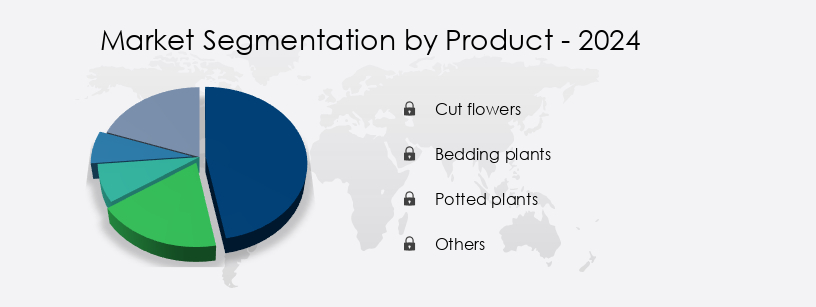
Get a glance at the market report of share of various segments Request Free Sample
Market Dynamics
Our US Floriculture Market researchers analyzed the data with 2024 as the base year, along with the key drivers, trends, and challenges. A holistic analysis of drivers will help companies refine their marketing strategies to gain a competitive advantage.
What are the key market drivers leading to the rise in adoption of US Floriculture Market?
- Growing demand for premium flowers in US is the key driver of the market. The floriculture market in the US experiences growth due to the increasing demand for premium flowers. These high-quality blooms, known for their superior characteristics, exceptional beauty, and perceived value, include a range of ornamental plants such as roses, carnations, lilies, sunflowers, dahlias, orchids, tulips, pansies, and various foliage plants. Premium flowers are often used for special occasions, upscale events, and luxury floral arrangements, commanding higher prices than standard varieties. The production of premium flowers involves advanced horticultural practices, greenhouse technology, and modern farm methods. Growers focus on precise management of growing room and greenhouse requirements, plant nutrition, breeding new strains, pest management, plant spacing, and flower head development.
- Floriculture cultivation includes both potted flowering plants and cut cultivated greens, utilizing floriculture materials and ornamental horticulture techniques. The floriculture market caters to various sectors, including the commercial flower trade, floristry businesses, and personal use. Floral events, such as Valentine's Day, Mother's Day, weddings, corporate displays, and seasonal flowers, contribute significantly to the market's growth. Biotechnology solutions, like genome sequencing and genetic modification, play a role in enhancing flowering ornamental plants' resistance to abiotic stress, insects, and diseases. Logistics coordination is crucial for the timely delivery of fresh blooms, with transportation facilities and online and offline distribution channels ensuring the flowers reach their destinations in optimal condition.
What are the market trends shaping the US Floriculture Market?
- Technological advancements in floriculture sector in US is the upcoming trend in the market. The floriculture market in the US is experiencing significant growth due to technological advancements that enhance productivity, quality, and sustainability. Greenhouse automation technologies, such as climate control, irrigation, fertigation, and lighting systems, optimize growing conditions for flowers. These automated systems monitor environmental parameters, adjusting settings to maximize plant growth and quality. Precision agriculture technologies, including sensors, drones, and satellite imagery, enable growers to monitor plant health, detect pests and diseases, and optimize resource management. The market is a significant sector within the horticulture industry, characterized by the cultivation of ornamental plants, primarily flowers, for decorative purposes. Plant biotechnology, including genome sequencing and breeding new strains, contributes to the development of disease-resistant flower varieties and higher crop yields. Modern farm practices, such as precise management and pest management, ensure the production of premium flowers for various occasions, including Valentine's Day, Mother's Day, and weddings.
-
Floriculture materials, including cut cultivated greens, dried flowers, essential oils, and foliage plants, are used for floral decoration, personal use, and commercial applications. Floristry businesses rely on logistics coordination, transportation facilities, and online and offline distribution channels to deliver fresh blooms to customers. Cold storage technology and postharvest life extension solutions help maintain flower quality during transportation and storage. Floriculture crops, including bedding plants, flowering gardens, potted plants, and ornamental horticulture, provide a range of options for consumers and businesses. Technological advancements continue to shape the floriculture industry, from greenhouse technology and field cultivation to flower farming and horticultural practices.
What challenges does US Floriculture Market face during the growth?
- Increase in shortage of labor is a key challenge affecting the market growth. The floriculture market in the US faces labor challenges due to demographic shifts, immigration policies, and competition from other industries. These issues can impact production capacity and increase labor costs for growers and companies. The seasonal nature of the industry further complicates matters, as many individuals prefer stable, full-time employment. Floriculture operations often locate in rural or remote areas, where access to transportation, housing, healthcare, and other amenities may be limited. In the floriculture industry, cut flowers remain a significant focus, with major holidays such as Valentine's Day and Mother's Day driving demand for premium flowers and decorative blooms.
- Ornamental plants, including house plants, potted flowering plants, foliage plants, cacti and succulents, dried flowers, and essential oils, also contribute to the market. Modern farm practices and greenhouse technology have led to higher crop yields, precise management, and disease-resistant flower varieties. Plant nutrition, breeding new strains, pest management, flower spacing, and flower head development are essential aspects of floriculture cultivation. The commercial flower trade encompasses both online and offline distribution channels. Floral events, floristry businesses, flower purchases for specific occasions, and biotechnology solutions, such as genetic modification and postharvest life extension, play crucial roles in the industry. Logistics coordination is essential for ensuring fresh blooms reach consumers on time.
Exclusive Customer Landscape
The market forecasting report includes the adoption lifecycle of the market, covering from the innovator's stage to the laggard's stage. It focuses on adoption rates in different regions based on penetration. Furthermore, the market report also includes key purchase criteria and drivers of price sensitivity to help companies evaluate and develop their market growth analysis strategies.
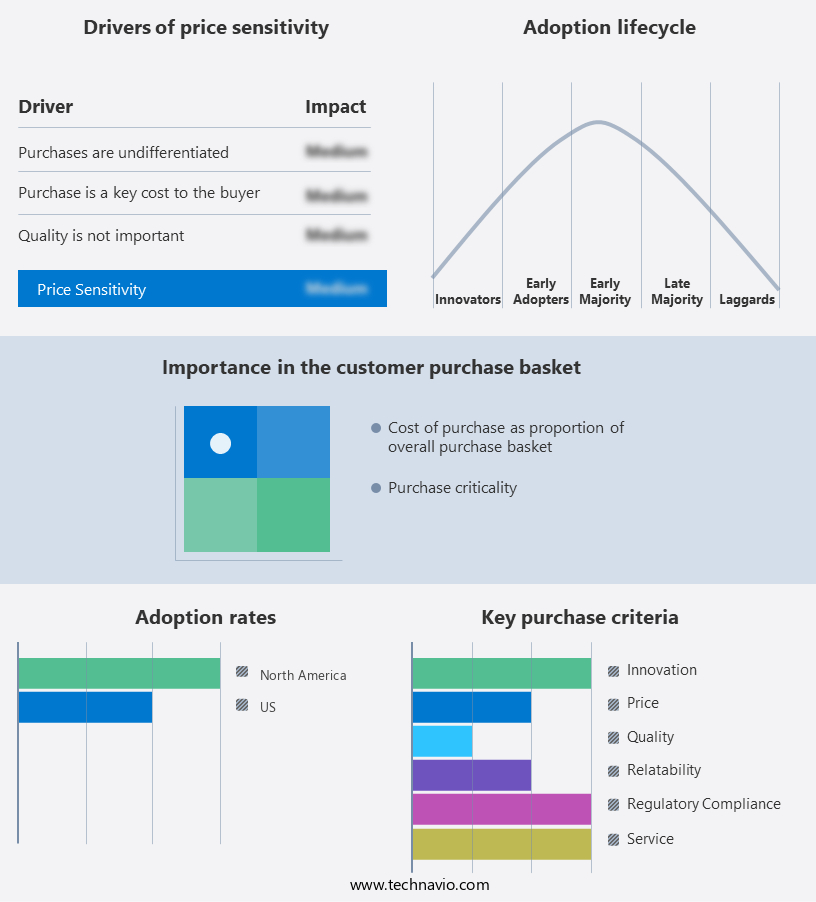
Customer Landscape
Key Companies & Market Insights
Companies are implementing various strategies, such as strategic alliances, market forecast , partnerships, mergers and acquisitions, geographical expansion, and product/service launches, to enhance their presence in the market.
Ball Horticultural Co. - The company specializes in providing a diverse range of floriculture offerings, including perennials, roses, shrubs, and plants suited for small or indoor environments.
The market research and growth report includes detailed analyses of the competitive landscape of the market and information about key companies, including:
- Ball Horticultural Co.
- bloomia
- Costa Farms LLC
- Dummen Orange
- Ernst Benary Samenzucht GmbH
- Esmeralda Farms
- Farmgirl Flowers Inc.
- Green Circle Growers
- Greenheart Farms
- Kurt Weiss Greenhouses Inc.
- Monrovia Nursery Co.
- PlantShed.com
- Selecta Klemm GmbH and Co. KG
- Sun Valley Floral Farms
- TERRA NOVA Nurseries Inc.
- The Queens Flowers
Qualitative and quantitative analysis of companies has been conducted to help clients understand the wider business environment as well as the strengths and weaknesses of key market players. Data is qualitatively analyzed to categorize companies as pure play, category-focused, industry-focused, and diversified; it is quantitatively analyzed to categorize companies as dominant, leading, strong, tentative, and weak.
Research Analyst Overview
The global floriculture market encompasses the cultivation and distribution of a wide array of ornamental plants, including cut flowers, potted flowering plants, foliage plants, cut cultivated greens, and dried flowers. This industry caters to various sectors, such as commercial flower trade, landscape gardening, horticultural practices, and floristry businesses. Ornamental horticulture is a dynamic and evolving sector, driven by consumer preferences for fresh, high-quality blooms and innovative plant varieties. Floriculture cultivation employs diverse methods, ranging from greenhouse technology to field production. Growing rooms and greenhouses are essential for maintaining optimal conditions for plant growth, while plant nutrition, breeding new strains, and pest management are crucial aspects of modern farm practices.
Floriculture materials, such as potting media, fertilizers, and growing media additives, play a significant role in ensuring healthy plant growth and high yields. Floriculture crops include a vast range of flowering ornamental plants, bedding plants, and flowering gardens. Seasonal flowers, such as roses for Valentine's Day and carnations for Mothers Day, are popular choices for specific occasions. The industry is continually evolving, with advancements in plant biotechnology, such as genome sequencing and genetic modification, contributing to the development of disease-resistant flower varieties and improved postharvest life. Floriculture materials and technologies, such as cold storage technology and abiotic stress management, help ensure the longevity and quality of cut flowers and potted plants. These flowers are primarily grown in controlled environments, such as greenhouses and growing rooms, to ensure optimal growing conditions and high-quality yields.
Logistics coordination is essential for the efficient distribution of floriculture products, with both online and offline distribution channels playing a role. Floral events, such as weddings and corporate displays, are significant markets for premium flowers, decorative blooms, and essential oils. The popularity of personal use, including dried botanicals and artificial flowers, is also driving growth in the industry. The floriculture market is influenced by various factors, including consumer trends, technological advancements, and horticultural practices. The industry is continually adapting to meet the changing demands of consumers and the global market. Floriculture cultivation requires precise management, with a focus on higher crop yields, modern farm practices, and sustainable production methods. Consumer lifestyles have shifted towards prioritizing home decor and personal well-being, leading to a rise in flower purchases for both personal use and as gifts.
Indigenous therapies and the use of plants for medicinal purposes are also gaining popularity, with cacti and succulents, ornamental plants, and dried flowers being used for their therapeutic properties. Floriculture materials and technologies, such as essential oils and biotechnology solutions, are being explored for their potential health benefits. The floriculture market is a dynamic and diverse industry, driven by consumer preferences, technological advancements, and horticultural practices. The cultivation and distribution of ornamental plants, including cut flowers, potted flowering plants, foliage plants, cut cultivated greens, and dried flowers, cater to various sectors and markets, making it a significant contributor to the global economy.
|
Market Scope |
|
|
Report Coverage |
Details |
|
Page number |
179 |
|
Base year |
2024 |
|
Historic period |
2019-2023 |
|
Forecast period |
2025-2029 |
|
Growth momentum & CAGR |
Accelerate at a CAGR of 6% |
|
Market growth 2025-2029 |
USD 17.73 billion |
|
Market structure |
Fragmented |
|
YoY growth 2024-2025(%) |
5.5 |
|
Key countries |
US |
|
Competitive landscape |
Leading Companies, Market Positioning of Companies, Competitive Strategies, and Industry Risks |
What are the Key Data Covered in this Market Research and Growth Report?
- CAGR of the market during the forecast period
- Detailed information on factors that will drive the market growth and forecasting between 2025 and 2029
- Precise estimation of the size of the market and its contribution of the market in focus to the parent market
- Accurate predictions about upcoming market growth and trends and changes in consumer behaviour
- Growth of the market across US
- Thorough analysis of the market's competitive landscape and detailed information about companies
- Comprehensive analysis of factors that will challenge the growth of market companies
We can help! Our analysts can customize this market research report to meet your requirements. Get in touch
 RIA -
RIA -