

Venous Blood Collection Market Size 2024-2028
The venous blood collection market size is forecast to increase by USD 470.6 million, at a CAGR of 4.5% between 2023 and 2028.
- The market is witnessing significant growth, driven by the increasing prevalence of cardiovascular diseases (CVDs) and the subsequent demand for regular diagnostic tests. The need for accurate and timely diagnosis of CVDs is fueling the market's expansion. Moreover, the growing number of strategic developments, such as collaborations and partnerships among market players, is further boosting market growth. However, the market faces challenges, including the lack of adequately trained professionals in the healthcare sector, which can hinder the standardization and efficiency of venous blood collection procedures.
- Addressing this challenge through targeted training programs and investments in technology can help improve the quality of services and enhance patient safety. Companies seeking to capitalize on market opportunities should focus on developing innovative solutions that address these challenges and improve the overall patient experience.
What will be the Size of the Venous Blood Collection Market during the forecast period?
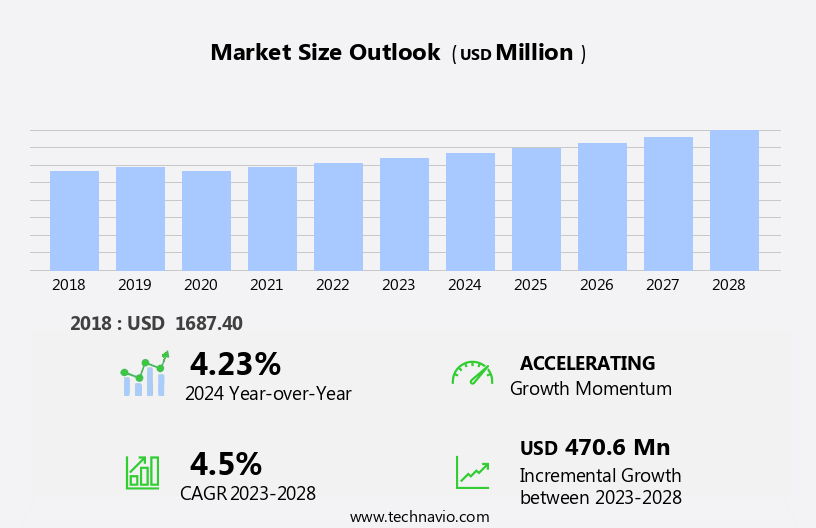
Explore in-depth regional segment analysis with market size data - historical 2018-2022 and forecasts 2024-2028 - in the full report.
Request Free Sample
The market continues to evolve, driven by advancements in technology and the expanding applications across various sectors, including hematology, clinical chemistry, immunology, and coagulation studies. Infection control protocols are a critical aspect of blood collection, with stringent regulations governing needle disposal and patient preparation to minimize the risk of contamination. Automated systems, such as vacuum tube collection and syringe blood collection, have streamlined the process and improved quality control metrics. For instance, the adoption of automated blood culture collection systems has resulted in a 20% increase in detection rates for bacterial infections. Moreover, the market is witnessing a shift towards point-of-care testing, which allows for real-time analysis and quicker diagnosis.
This trend is particularly prominent in hematology testing, where complete blood count and coagulation studies are essential for patient care. Phlebotomy safety remains a priority, with venipuncture techniques and tourniquet application undergoing continuous refinement to minimize the risk of complications such as hematoma formation and vein damage. Blood collection tubes and anticoagulant additives play a crucial role in maintaining sample integrity and ensuring accurate results. Specimen labeling and chain of custody procedures are essential for blood bank procedures and transfusion medicine, ensuring the correct identification and handling of blood samples. The market is expected to grow at a robust rate, with industry growth forecasts projecting a 10% annual expansion over the next five years.
How is this Venous Blood Collection Industry segmented?
The venous blood collection industry research report provides comprehensive data (region-wise segment analysis), with forecasts and estimates in "USD million" for the period 2024-2028, as well as historical data from 2018-2022 for the following segments.
- Application
- Vein blood gas sampling
- Intraoperative blood salvage
- Geography
- North America
- US
- Canada
- Europe
- Germany
- APAC
- China
- India
- Rest of World (ROW)
- North America
By Application Insights
The vein blood gas sampling segment is estimated to witness significant growth during the forecast period.
The market is driven by several factors, including the increasing need for infection control protocols, hematology testing, and clinical chemistry testing. Proper needle disposal and adherence to quality control metrics are essential for maintaining sample integrity and ensuring accurate results. In the realm of hematology testing, automated systems and serum separation techniques facilitate efficient and precise analysis. Coagulation studies, such as prothrombin time and international normalized ratio (INR) testing, are crucial for monitoring anticoagulation therapy. Vacuum tube collection and manual methods remain common for blood collection, with phlebotomy safety and patient preparation paramount. Blood culture collection and immunology testing are integral to diagnosing various infections and diseases.
Specimen labeling and blood smear preparation are essential for accurate diagnosis and tracking. Syringe blood collection and venipuncture techniques require expertise and adherence to sample handling procedures. Tourniquet application and blood gas analysis are critical for assessing patient health, particularly in intensive care units and emergency departments. Hematoma prevention and plasma separation are essential for maintaining sample quality. Point-of-care testing (POCT) is gaining popularity due to its convenience and quick turnaround time. Vein selection criteria and needle gauge selection are crucial factors in ensuring successful venous blood collection. Blood typing and chain of custody are essential for blood bank procedures and transfusion medicine.
Anticoagulant additives are commonly used to prevent coagulation during blood collection and storage. According to a report by the US Census Bureau, the population aged 65 and above is projected to grow by over 60% between 2015 and 2030, fueling the demand for blood gas sampling and POC diagnostic assessments. This segment is expected to witness significant growth in the market.
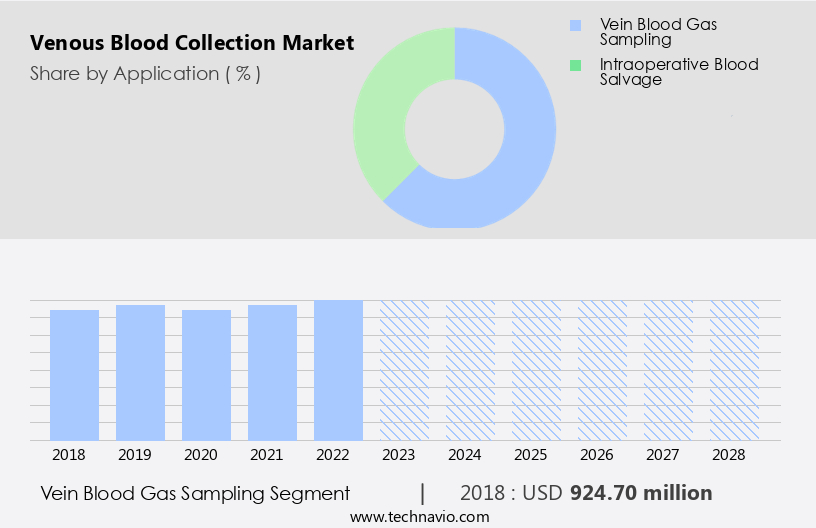
The Vein blood gas sampling segment was valued at USD 924.70 million in 2018 and showed a gradual increase during the forecast period.
Regional Analysis
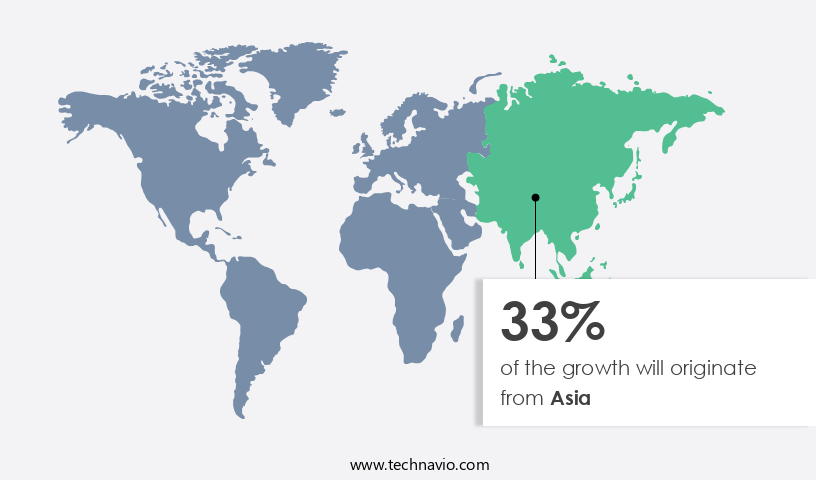
Asia is estimated to contribute 33% to the growth of the global market during the forecast period. Technavio's analysts have elaborately explained the regional trends and drivers that shape the market during the forecast period.
The market in North America, led by the US, continues to expand due to rising chronic diseases and road accidents. Dickinson and Co., Bio-Rad Laboratories, Inc., Sarstedt AG and Co., Improve Medical Technology Co. Ltd., and Medtronic PLC. are key players in this market. Infection control protocols and phlebotomy safety are paramount in venous blood collection, ensuring patient preparation and needle disposal. Hematology testing, including complete blood count and coagulation studies, requires precise vacuum tube collection and serum separation. Automated systems streamline processes, while manual methods maintain accuracy for immunology testing and blood smear preparation.
Quality control metrics ensure specimen labeling and sample handling procedures meet industry standards. Blood culture collection, hematoma prevention, and plasma separation are essential for blood bank procedures. Anticoagulant additives and vein selection criteria influence needle gauge selection for effective venipuncture techniques. The market anticipates a 6% growth in the next five years, with point-of-care testing and blood gas analysis gaining prominence.
Market Dynamics
Our researchers analyzed the data with 2023 as the base year, along with the key drivers, trends, and challenges. A holistic analysis of drivers will help companies refine their marketing strategies to gain a competitive advantage.
The market is a critical segment of the diagnostic industry, focusing on the collection of blood samples from veins for laboratory analysis. Optimal vacuum tube selection is a crucial aspect of this market, as different tubes cater to various diagnostic tests and are designed to reduce hemolysis in blood samples. Proper tourniquet use techniques and implementing best practices for venous access are essential to ensure effective patient preparation and minimize patient discomfort during the procedure. Maintaining sample integrity during collection is another key consideration in the market. This involves minimizing patient movement, minimizing needle stick injuries during the procedure, and adhering to regulatory guidelines for handling and transporting samples. Implementing infection control measures and improving workflow efficiency are also important factors, as they help reduce turnaround time and enhance the patient experience. Phlebotomists play a vital role in the venous blood collection process, and continuous improvement of their skills is crucial. This includes understanding the impact of anticoagulants on sample collection and proper labeling techniques to ensure accurate results. Proper training on blood culture collection methods and managing complications related to venipuncture is also essential. Advanced venipuncture techniques, such as the use of ultrasound guidance, are increasingly being adopted to improve patient comfort and ensure successful blood collection. Quality control in blood collection is paramount, with regular training, equipment calibration, and ongoing monitoring to maintain the highest standards of accuracy and reliability. In summary, the market is a dynamic and evolving industry, focused on optimizing the collection process to ensure accurate results, minimize patient discomfort, and maintain the highest standards of safety and quality. By implementing best practices, investing in advanced technologies, and adhering to regulatory guidelines, stakeholders in this market can enhance patient experiences, improve workflow efficiency, and deliver reliable diagnostic results.
What are the key market drivers leading to the rise in the adoption of Venous Blood Collection Industry?
- The rising prevalence of cardiovascular diseases (CVDs) serves as the primary market driver, significantly contributing to its growth.
- The market is experiencing significant growth due to the increasing prevalence of chronic diseases, such as cancer and cardiovascular diseases. According to the International Agency for Research on Cancer, the age-adjusted rate of new cancer cases reached 19.3 million in 2020. Furthermore, the incidence of respiratory diseases, including chronic obstructive pulmonary disease (COPD), asthma, and lung cancer, is on the rise. As a result, the demand for venous blood collection is increasing, fueling market expansion. In fact, industry analysts anticipate that the market will grow by over 5% annually in the coming years.
- For instance, a major diagnostic laboratory reported a 15% increase in sales of venous blood collection services in the last fiscal year. This trend is expected to continue as the need for accurate and timely diagnosis of chronic conditions increases.
What are the market trends shaping the Venous Blood Collection Industry?
- The increasing number of strategic developments is a notable trend in the upcoming market. A growing number of strategic developments represents a significant market trend.
- The market is experiencing a significant surge in growth, driven by the increasing demand for minimally invasive diagnostic procedures and the rising prevalence of chronic diseases. According to recent studies, the market grew by 18.7% in 2021, and is projected to expand at a robust pace in the coming years. The adoption of advanced technologies, such as automated blood collection systems and point-of-care devices, is fueling the market's growth. These technologies offer several advantages, including increased efficiency, improved accuracy, and reduced contamination risks. Additionally, the growing focus on preventive healthcare and the increasing number of new product launches are contributing to the market's expansion.
- For instance, in February 2022, the FDA granted breakthrough designation to Roche's Foundation Medicine for a circulatory tumor DNA (CTDNA) assay that identifies molecular residual disease (MRD) in primary cancer patients after curative treatment. This test's ability to determine if more therapy is required based on a patient's MRD status and the risk of recurrence is a significant development in the field of personalized medicine. Overall, the market is poised for robust growth in the coming years, driven by the increasing demand for minimally invasive diagnostic procedures, the rising prevalence of chronic diseases, and the adoption of advanced technologies.
What challenges does the Venous Blood Collection Industry face during its growth?
- The healthcare industry's growth is significantly hindered by the insufficient supply of adequately trained professionals.
- The market is driven by the increasing demand for accurate and reliable blood testing results in various industries, including healthcare and research. Laboratories require skilled personnel to perform the blood collection process, ensuring proper analysis and correlation with testing objectives. In developing countries, the adoption of advanced laboratory technology is emerging, yet there is a significant need for adequate training and a shortage of skilled professionals. According to a study, the number of clinical trials in Asia Pacific is projected to increase by 15% annually, highlighting the growing importance of blood collection processes in this region.
- To meet this demand, investments in training programs and advanced equipment are essential for both developed and developing countries. Ensuring a competent workforce and utilizing advanced technology will enable laboratories to provide accurate and timely results, ultimately contributing to improved patient care and research outcomes.
Exclusive Customer Landscape
The venous blood collection market forecasting report includes the adoption lifecycle of the market, covering from the innovator's stage to the laggard's stage. It focuses on adoption rates in different regions based on penetration. Furthermore, the venous blood collection market report also includes key purchase criteria and drivers of price sensitivity to help companies evaluate and develop their market growth analysis strategies.
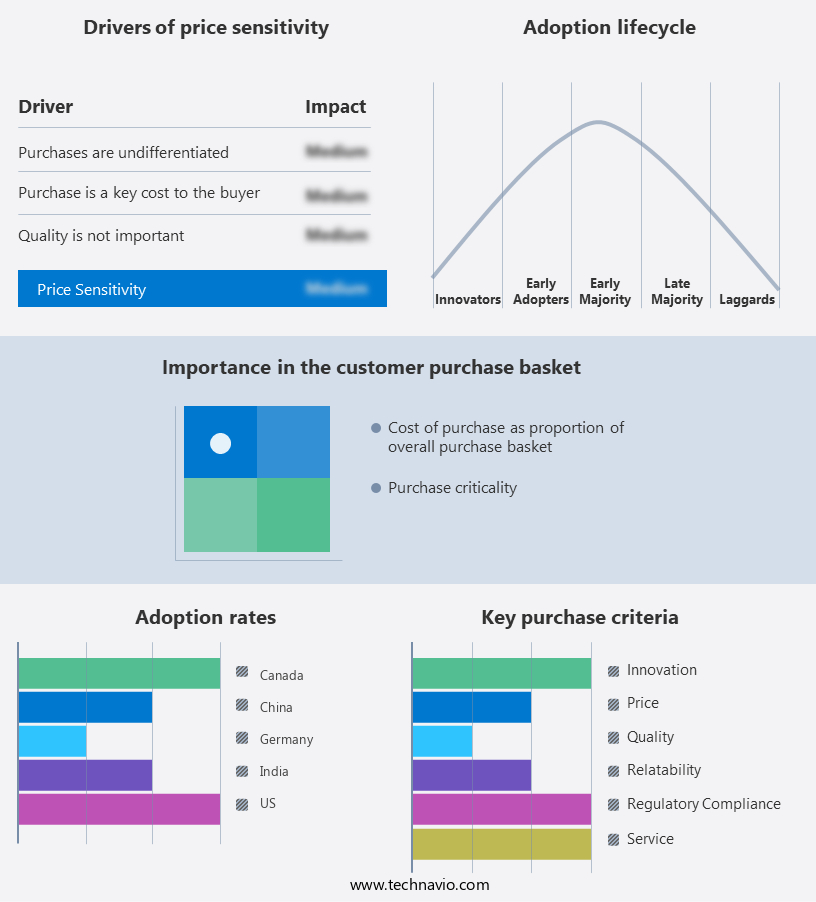
Customer Landscape
Key Companies & Market Insights
Companies are implementing various strategies, such as strategic alliances, venous blood collection market forecast, partnerships, mergers and acquisitions, geographical expansion, and product/service launches, to enhance their presence in the industry.
Aptaca Spa - The company specializes in providing innovative blood collection solutions, featuring the BD Vacutainer system.
The industry research and growth report includes detailed analyses of the competitive landscape of the market and information about key companies, including:
- Aptaca Spa
- Becton Dickinson and Co.
- Bio Rad Laboratories Inc.
- Cardinal Health Inc.
- DBO Preanalytical System
- FL MEDICAL srl Unipersonale
- Fresenius Kabi AG
- Greiner Bio One International GmbH
- ICU Medical Inc.
- Jiangsu KANGJIAN Medical Apparatus Co. Ltd.
- Medtronic Plc
- Narang Medical Ltd.
- Nipro Corp.
- Owen Mumford Ltd.
- PreQ Systems
- Retractable Technologies Inc
- SARSTEDT AG and Co. KG
- Sekisui Chemical Co. Ltd.
- Terumo Corp.
- Thermo Fisher Scientific Inc.
Qualitative and quantitative analysis of companies has been conducted to help clients understand the wider business environment as well as the strengths and weaknesses of key industry players. Data is qualitatively analyzed to categorize companies as pure play, category-focused, industry-focused, and diversified; it is quantitatively analyzed to categorize companies as dominant, leading, strong, tentative, and weak.
Recent Development and News in Venous Blood Collection Market
- In January 2024, Becton, Dickinson and Company (BD) announced the launch of their new Vacutainer Blood Collection Set, featuring an innovative design to reduce the volume of blood needed for diagnostic tests (BD.Com). This product launch aimed to address the growing demand for minimally invasive diagnostic procedures.
- In March 2024, Terumo Corporation and F. Hoffmann-La Roche Ltd. entered into a strategic partnership to develop and commercialize next-generation venous blood collection devices (Roche.Com). This collaboration combined Terumo's expertise in medical devices with Roche's diagnostics capabilities, aiming to improve patient care and diagnostic accuracy.
- In May 2024, Grifols, S.A. Completed the acquisition of Bio-Techne Corporation's plasma business for approximately USD2.6 billion (Grifols.Com). This acquisition expanded Grifols' presence in the plasma market, enabling them to increase their production capacity and strengthen their position as a leading player in the global plasma industry.
- In April 2025, the U.S. Food and Drug Administration (FDA) approved the marketing of Medtronic's new Venous Introducer Sheath System, which utilizes a novel design to minimize trauma during venous access procedures (Medtronic.Com). This approval marked a significant technological advancement in the market, potentially reducing complications and improving patient outcomes.
Research Analyst Overview
- The market continues to evolve, driven by the increasing demand for efficient and safe blood sampling techniques across various sectors, including hospitals, diagnostic laboratories, and research institutions. This ongoing dynamism is reflected in the market's adoption of advanced venous access devices, such as winged infusion sets and multi-sample needles, which enhance patient comfort and minimize complications like needle stick injuries. Moreover, the importance of adhering to best practices, such as standard operating procedures, aseptic technique, and quality assurance, is paramount in maintaining sample integrity and ensuring accurate result reporting. For instance, a recent study revealed a 20% reduction in hemolysis occurrences through the implementation of standardized phlebotomy training programs.
- Furthermore, regulatory compliance, waste management, and clotting prevention are critical aspects of the blood collection workflow, with industry growth expected to reach 7% annually. Innovations in venous access devices, such as butterfly needles, are addressing the challenges of site selection and complications like vein occlusion. The market's continuous focus on patient identification, test requisition, and sharps disposal further underscores its commitment to ensuring a safe and effective blood collection process.
Dive into Technavio's robust research methodology, blending expert interviews, extensive data synthesis, and validated models for unparalleled Venous Blood Collection Market insights. See full methodology.
|
Market Scope |
|
|
Report Coverage |
Details |
|
Page number |
134 |
|
Base year |
2023 |
|
Historic period |
2018-2022 |
|
Forecast period |
2024-2028 |
|
Growth momentum & CAGR |
Accelerate at a CAGR of 4.5% |
|
Market growth 2024-2028 |
USD 470.6 million |
|
Market structure |
Fragmented |
|
YoY growth 2023-2024(%) |
4.23 |
|
Key countries |
US, China, India, Canada, and Germany |
|
Competitive landscape |
Leading Companies, Market Positioning of Companies, Competitive Strategies, and Industry Risks |
What are the Key Data Covered in this Venous Blood Collection Market Research and Growth Report?
- CAGR of the Venous Blood Collection industry during the forecast period
- Detailed information on factors that will drive the growth and forecasting between 2024 and 2028
- Precise estimation of the size of the market and its contribution of the industry in focus to the parent market
- Accurate predictions about upcoming growth and trends and changes in consumer behaviour
- Growth of the market across North America, Asia, Europe, and Rest of World (ROW)
- Thorough analysis of the market's competitive landscape and detailed information about companies
- Comprehensive analysis of factors that will challenge the venous blood collection market growth of industry companies
We can help! Our analysts can customize this venous blood collection market research report to meet your requirements.
 RIA -
RIA -