


Virtual Assistant Market Size 2026-2030
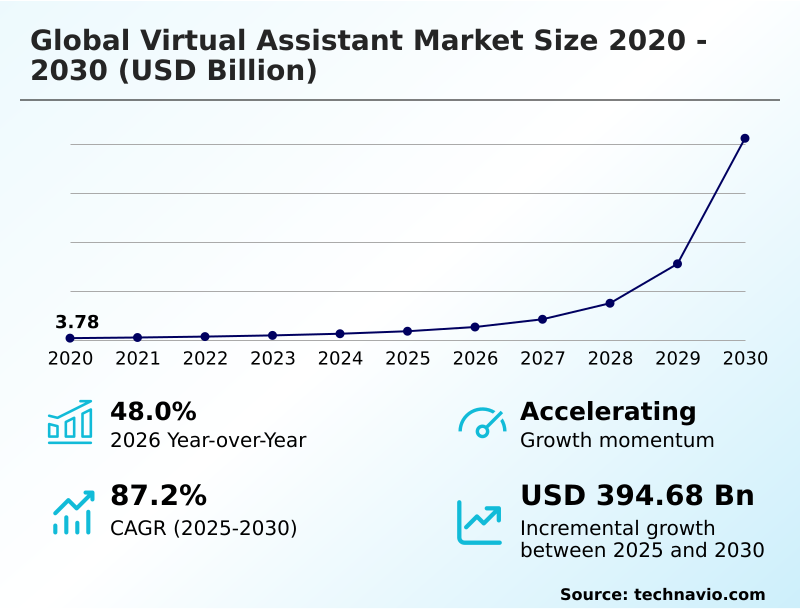
The virtual assistant market size is valued to increase by USD 394.68 billion, at a CAGR of 87.2% from 2025 to 2030. Demand for enhanced customer service will drive the virtual assistant market.
Major Market Trends & Insights
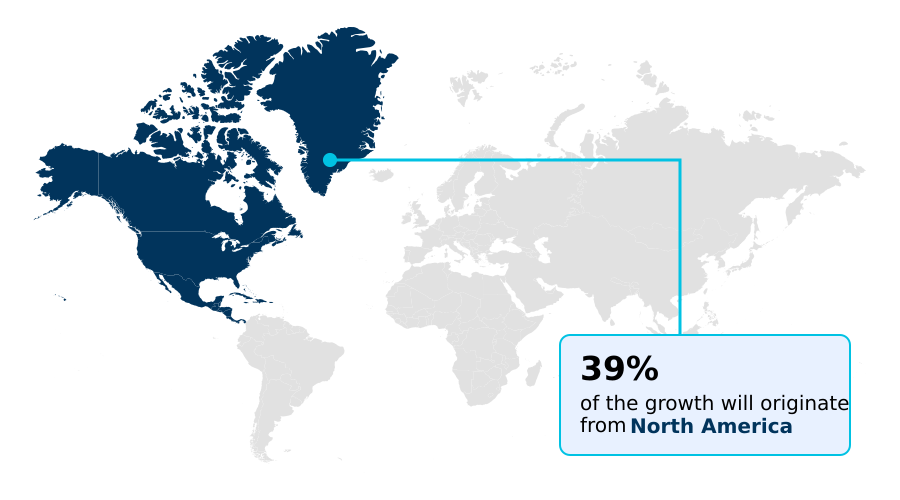
- North America dominated the market and accounted for a 38.7% growth during the forecast period.
- By Type - Spoken commands segment was valued at USD 9.10 billion in 2024
- By End-user - Automotive segment accounted for the largest market revenue share in 2024
Market Size & Forecast
- Market Opportunities: USD 408.85 billion
- Market Future Opportunities: USD 394.68 billion
- CAGR from 2025 to 2030 : 87.2%
Market Summary
- The virtual assistant market is undergoing a significant transformation, moving beyond simple command execution to become a cornerstone of intelligent automation. This evolution is driven by advances in conversational AI and sophisticated machine learning models, which enable systems to deliver contextual and proactive support.
- Enterprises are leveraging AI assistants for enterprise for comprehensive task automation, from managing internal workflows with intelligent document processing to enhancing AI-driven customer engagement on conversational commerce platforms. For example, in logistics, these tools can automate supply chain communications, predict shipping delays, and manage inventory documentation, significantly improving operational resilience.
- However, this rapid adoption introduces challenges related to data privacy and the need for seamless integration with legacy systems. The market's trajectory is defined by the balance between harnessing the power of automated customer support and ensuring robust, secure, and ethically governed AI frameworks.
What will be the Size of the Virtual Assistant Market during the forecast period?
Get Key Insights on Market Forecast (PDF) Get Free Sample
How is the Virtual Assistant Market Segmented?
The virtual assistant industry research report provides comprehensive data (region-wise segment analysis), with forecasts and estimates in "USD million" for the period 2026-2030, as well as historical data from 2020-2024 for the following segments.
- Type
- Spoken commands
- Text-to-speech
- End-user
- Automotive
- BFSI
- Government
- Retail
- Others
- Product type
- Chatbots
- Smart speakers
- Geography
- North America
- US
- Canada
- Mexico
- APAC
- China
- Japan
- India
- Europe
- Germany
- UK
- France
- South America
- Brazil
- Argentina
- Middle East and Africa
- Saudi Arabia
- UAE
- South Africa
- Rest of World (ROW)
- North America
By Type Insights
The spoken commands segment is estimated to witness significant growth during the forecast period.
The spoken commands segment is evolving through the integration of agentic AI, which is shifting human-computer interaction from simple instructions to complex, conversational workflows.
Advanced natural language understanding and sophisticated voice user interface (VUI) design are central to this change, enabling in-car virtual assistants and voice-enabled IoT devices to perform nuanced tasks.
This transition is supported by advancements in edge computing, which ensures low-latency responsiveness.
In applications for AI for contact center automation, these systems improve operational efficiency and user trust by reducing interaction times by up to 30%, which is particularly critical in hands-free environments.
The market is defined by this continuous move toward more intuitive and autonomous voice-activated experiences.
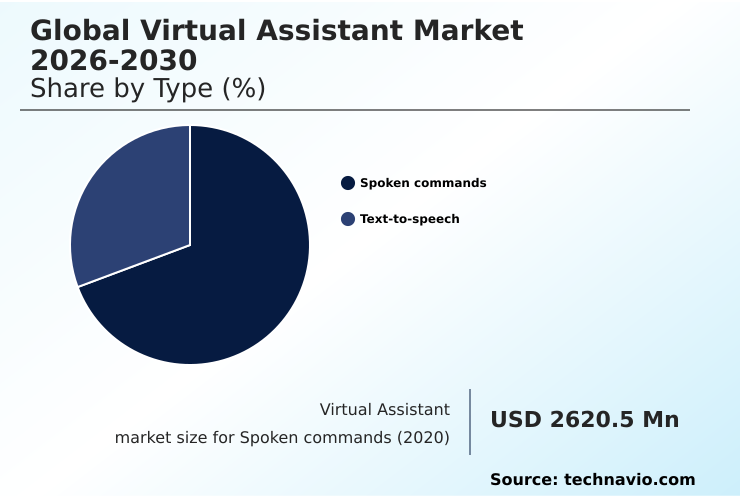
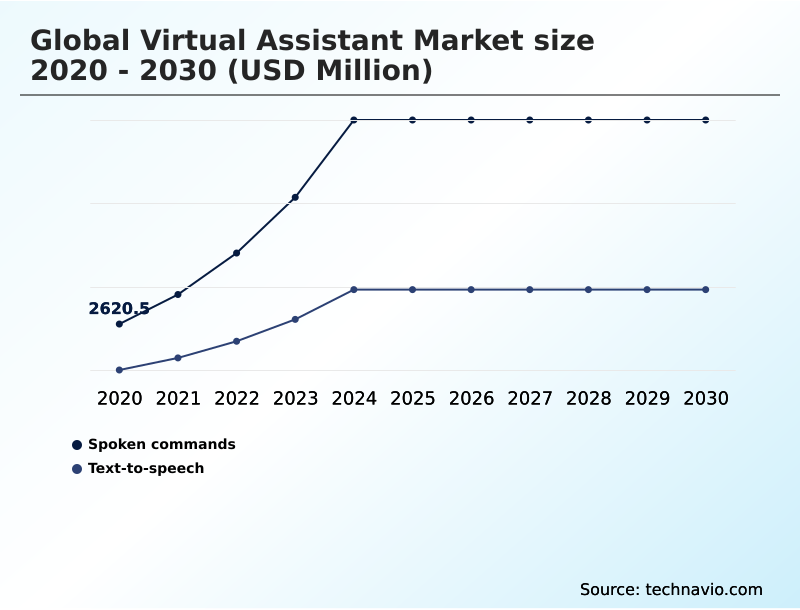
The Spoken commands segment was valued at USD 9.10 billion in 2024 and showed a gradual increase during the forecast period.
Regional Analysis
North America is estimated to contribute 38.7% to the growth of the global market during the forecast period.Technavio’s analysts have elaborately explained the regional trends and drivers that shape the market during the forecast period.
See How Virtual Assistant Market Demand is Rising in North America Get Free Sample
The geographic landscape of the market is intensely competitive, with North America and APAC collectively representing over 76% of the incremental growth opportunities.
North America's dominance is sustained by early adoption of deep learning and large language models (LLMs) for generative AI applications. Meanwhile, APAC is the fastest-growing territory, driven by mobile-first economies and significant investments in AI for workforce optimization.
AI-powered personalization and the proliferation of voice-activated systems and smart home control systems are key trends in both regions.
The United States remains the single largest market, while countries like India and China are rapidly closing the gap by leveraging their vast digital consumer bases and fostering local innovation in AI infrastructure.
Market Dynamics
Our researchers analyzed the data with 2025 as the base year, along with the key drivers, trends, and challenges. A holistic analysis of drivers will help companies refine their marketing strategies to gain a competitive advantage.
- Analyzing the virtual assistant market reveals distinct operational benefits and challenges across different applications. A key debate involves spoken commands versus text-to-speech efficiency, where user context and environment dictate the optimal interface. In corporate settings, enterprise chatbot integration challenges persist, often related to connecting with legacy systems and ensuring data security.
- The rise of LLM applications in customer service is revolutionizing support, enabling more natural and effective interactions. Simultaneously, generative AI for retail personalization is creating new revenue streams by tailoring shopping experiences with high precision. Businesses evaluating AI-driven task automation ROI are finding that success hinges on strategic implementation, as outcomes can vary significantly.
- For instance, the use of voice biometrics security in banking offers enhanced protection but requires careful user adoption strategies. Similarly, achieving true contextual awareness in healthcare AI is critical for diagnostic accuracy. The expansion into global markets underscores the importance of NLP for multilingual customer support and proactive assistance in smart homes for enhancing user convenience.
- For complex enterprise needs, the focus is shifting toward agentic AI for complex workflows, which promises greater autonomy. The user experience of a multimodal interface and the insights from sentiment analysis for brand reputation are also crucial.
- Predictive analytics in e-commerce can boost sales, while automated workflow for smes and intelligent automation in supply chain operations can reduce manual processing times by over 40% compared to traditional methods.
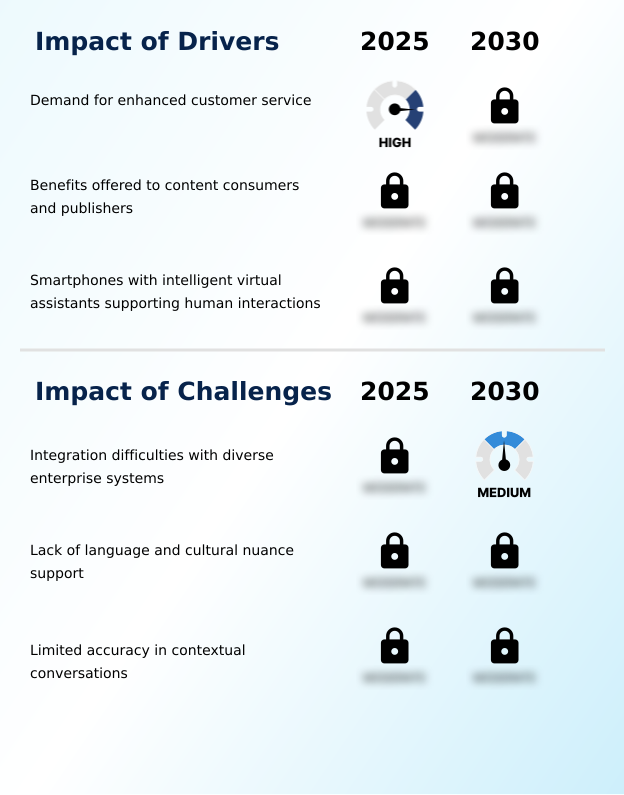
What are the key market drivers leading to the rise in the adoption of Virtual Assistant Industry?
- The growing demand for enhanced customer service across multiple industries serves as a key driver for market expansion.
- Market growth is primarily propelled by the enterprise need for scalable and efficient automated customer support.
- The implementation of intelligent automation and robotic process automation (RPA) allows businesses to offer 24/7 service availability, automating over 60% of routine inquiries and freeing up human agents for complex issues.
- This drive for AI-driven customer engagement is reflected in regional growth, with North America alone accounting for nearly 38.7% of market expansion.
- Advanced context awareness and sentiment analysis capabilities are further enhancing service quality, enabling virtual assistants to deliver more empathetic and relevant responses.
- As a result, AI for contact center automation has become a core strategy for reducing operational costs and improving customer satisfaction scores across industries.
What are the market trends shaping the Virtual Assistant Industry?
- The increasing popularity of chatbots is a significant trend, as these conversational agents become the primary interface for digital service interactions.
- Key trends are reshaping the market, driven by the fusion of multimodal interfaces and advanced conversational AI. Conversational commerce platforms are leveraging these technologies to create seamless shopping experiences, with some retailers seeing a 15% improvement in conversion rates.
- The use of predictive analytics in conversational marketing allows for hyper-personalized engagement, a critical factor as nearly half of younger consumers now expect AI-driven recommendations. Furthermore, generative AI applications are enhancing text-to-speech synthesis to produce highly natural and context-aware voices, which is vital for brand identity.
- The global shift to hybrid work models, now adopted by over 60% of businesses in leading economies, has also accelerated demand for integrated virtual assistants that streamline cross-platform communication.
What challenges does the Virtual Assistant Industry face during its growth?
- Integration complexities with diverse and often legacy enterprise systems present a significant challenge to market growth and adoption.
- Significant challenges persist in the deployment of virtual assistants, particularly concerning integration and performance consistency. Enterprises report that custom integration projects for AI assistants for enterprise frequently exceed budgets by up to 25% due to complexities with legacy systems and fragmented data architectures.
- The reliance on sophisticated machine learning models and neural networks creates difficulties in dialog management, where maintaining context in long conversations remains a hurdle. Furthermore, the accuracy of speech recognition technologies can drop by as much as 50% for non-dominant languages or regional dialects, limiting the effectiveness of omnichannel virtual assistants in global markets.
- These issues in virtual agents for IT support and other applications highlight the need for more standardized integration protocols and diverse training datasets to ensure reliable performance.
Exclusive Technavio Analysis on Customer Landscape
The virtual assistant market forecasting report includes the adoption lifecycle of the market, covering from the innovator’s stage to the laggard’s stage. It focuses on adoption rates in different regions based on penetration. Furthermore, the virtual assistant market report also includes key purchase criteria and drivers of price sensitivity to help companies evaluate and develop their market growth analysis strategies.
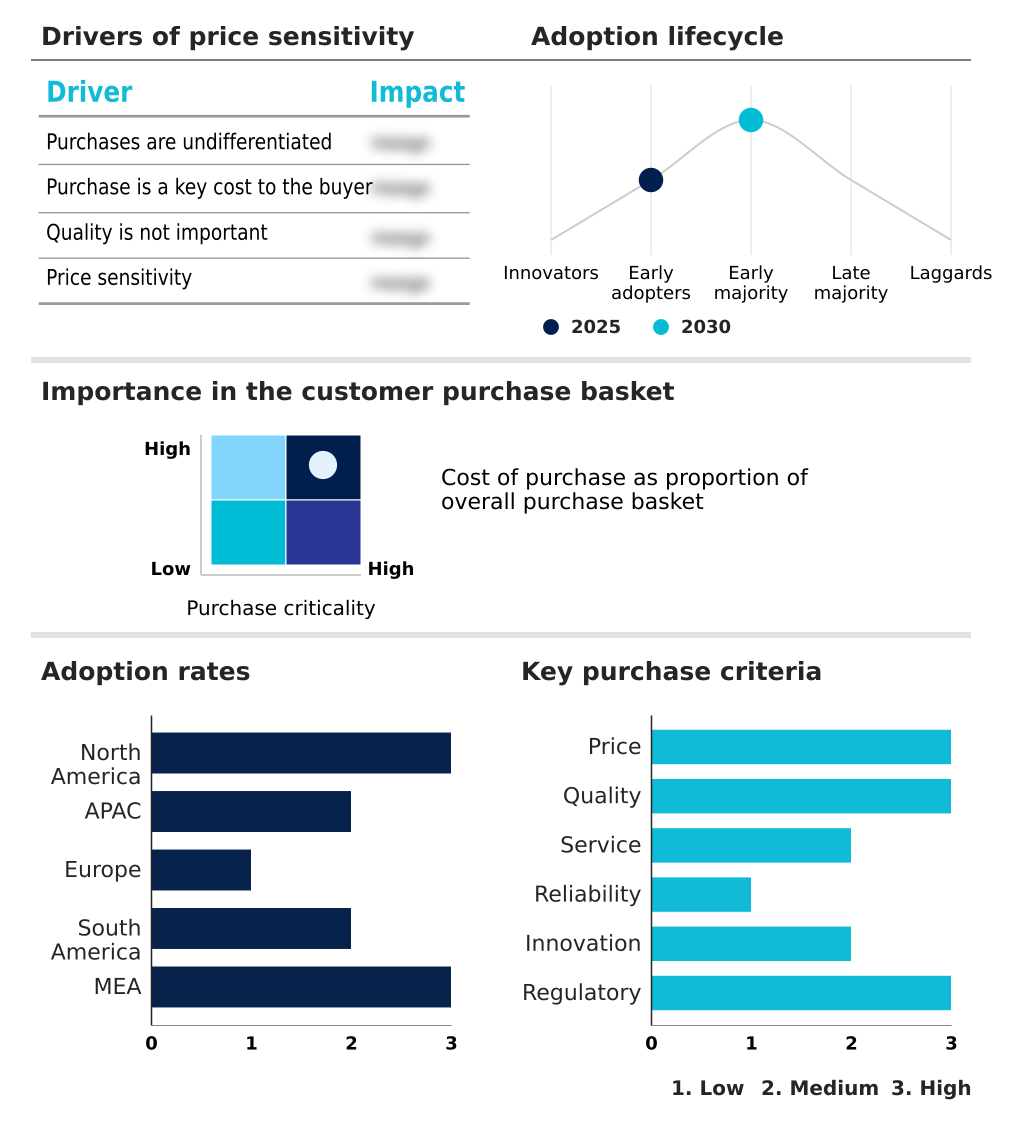
Customer Landscape of Virtual Assistant Industry
Competitive Landscape
Companies are implementing various strategies, such as strategic alliances, virtual assistant market forecast, partnerships, mergers and acquisitions, geographical expansion, and product/service launches, to enhance their presence in the industry.
247 Virtual Assistants - Provides specialized virtual assistant services that streamline administrative, customer support, and marketing operations for enhanced business efficiency and scalability.
The industry research and growth report includes detailed analyses of the competitive landscape of the market and information about key companies, including:
- 247 Virtual Assistants
- Amazon.com Inc.
- Anboto Europe SL Co.
- Apple Inc.
- Teneo AI
- Baidu Inc.
- Creative Virtual Ltd.
- CSS Corp.
- CX Co.
- eGain Corp.
- GAVS Technologies NA Inc.
- Google LLC
- IBM Corp.
- Inbenta Holdings Inc.
- Microsoft Corp.
- Oracle Corp.
- Synthetix Ltd.
- True Image Interactive Inc.
- Verint Systems Inc.
Qualitative and quantitative analysis of companies has been conducted to help clients understand the wider business environment as well as the strengths and weaknesses of key industry players. Data is qualitatively analyzed to categorize companies as pure play, category-focused, industry-focused, and diversified; it is quantitatively analyzed to categorize companies as dominant, leading, strong, tentative, and weak.
Recent Development and News in Virtual assistant market
- In August 2025, Tesla launched the Hey Tesla AI voice assistant for its electric vehicles in China, utilizing local models to ensure cultural and linguistic relevance.
- In October 2025, Microsoft introduced agentic AI capabilities to its Copilot platform, enabling the system to execute multi-step tasks autonomously and anticipate user requirements.
- In February 2025, Amazon unveiled Alexa+, a next-generation voice assistant powered by generative AI that offers more conversational and personalized interactions as a subscription service.
- In May 2025, Sarvam AI launched Bulbul-v2, a neural text-to-speech model supporting eleven Indian languages, advancing localization efforts in the global virtual assistant market.
Dive into Technavio’s robust research methodology, blending expert interviews, extensive data synthesis, and validated models for unparalleled Virtual Assistant Market insights. See full methodology.
| Market Scope | |
|---|---|
| Page number | 298 |
| Base year | 2025 |
| Historic period | 2020-2024 |
| Forecast period | 2026-2030 |
| Growth momentum & CAGR | Accelerate at a CAGR of 87.2% |
| Market growth 2026-2030 | USD 394683.6 million |
| Market structure | Fragmented |
| YoY growth 2025-2026(%) | 48.0% |
| Key countries | US, Canada, Mexico, China, Japan, India, South Korea, Australia, Indonesia, Germany, UK, France, Italy, Spain, The Netherlands, Brazil, Argentina, Chile, Saudi Arabia, UAE, South Africa, Israel and Turkey |
| Competitive landscape | Leading Companies, Market Positioning of Companies, Competitive Strategies, and Industry Risks |
Research Analyst Overview
- The virtual assistant market is defined by a rapid evolution from basic voice-activated systems to sophisticated agentic AI capable of autonomous task automation. This shift is enabled by core technologies like natural language understanding, advanced speech recognition, and deep learning, which power increasingly complex human-computer interaction.
- The integration of voice biometrics is becoming a critical security layer, particularly in sensitive sectors. As machine learning models become more powerful, there is a growing trend toward edge computing to ensure low-latency, real-time responsiveness.
- For board-level decision-makers, the adoption of multimodal interfaces and AI-powered personalization is a key strategic consideration, impacting budget allocation for digital transformation, as these systems can enhance customer engagement by over 25%. A pivotal technology, text-to-speech synthesis, is achieving near-human vocal quality, while predictive analytics and sentiment analysis are providing unprecedented business intelligence.
- The ultimate goal is achieving full context awareness and proactive assistance through intelligent automation, dialog management, and automated workflow, fundamentally reshaping automated customer support.
What are the Key Data Covered in this Virtual Assistant Market Research and Growth Report?
-
What is the expected growth of the Virtual Assistant Market between 2026 and 2030?
-
USD 394.68 billion, at a CAGR of 87.2%
-
-
What segmentation does the market report cover?
-
The report is segmented by Type (Spoken commands, and Text-to-speech), End-user (Automotive, BFSI, Government, Retail, and Others), Product Type (Chatbots, and Smart speakers) and Geography (North America, APAC, Europe, South America, Middle East and Africa)
-
-
Which regions are analyzed in the report?
-
North America, APAC, Europe, South America and Middle East and Africa
-
-
What are the key growth drivers and market challenges?
-
Demand for enhanced customer service, Integration difficulties with diverse enterprise systems
-
-
Who are the major players in the Virtual Assistant Market?
-
247 Virtual Assistants, Amazon.com Inc., Anboto Europe SL Co., Apple Inc., Teneo AI, Baidu Inc., Creative Virtual Ltd., CSS Corp., CX Co., eGain Corp., GAVS Technologies NA Inc., Google LLC, IBM Corp., Inbenta Holdings Inc., Microsoft Corp., Oracle Corp., Synthetix Ltd., True Image Interactive Inc. and Verint Systems Inc.
-
Market Research Insights
- Market dynamics are shaped by the enterprise adoption of omnichannel virtual assistants, which unify customer interactions across platforms. In the financial sector, personalized financial advisors are becoming standard, with adoption rates among younger demographics nearing 50%.
- The integration of robotic process automation (RPA) with conversational interfaces is driving significant efficiency gains, with some firms reporting up to a 30% reduction in operational costs in back-office functions. This push is fueled by AI for contact center automation, where AI-powered tools are streamlining workflows and improving service quality.
- The competitive landscape is increasingly influenced by the ability to deliver seamless, context-aware experiences that reduce customer effort and build loyalty.
We can help! Our analysts can customize this virtual assistant market research report to meet your requirements.
 RIA -
RIA -