
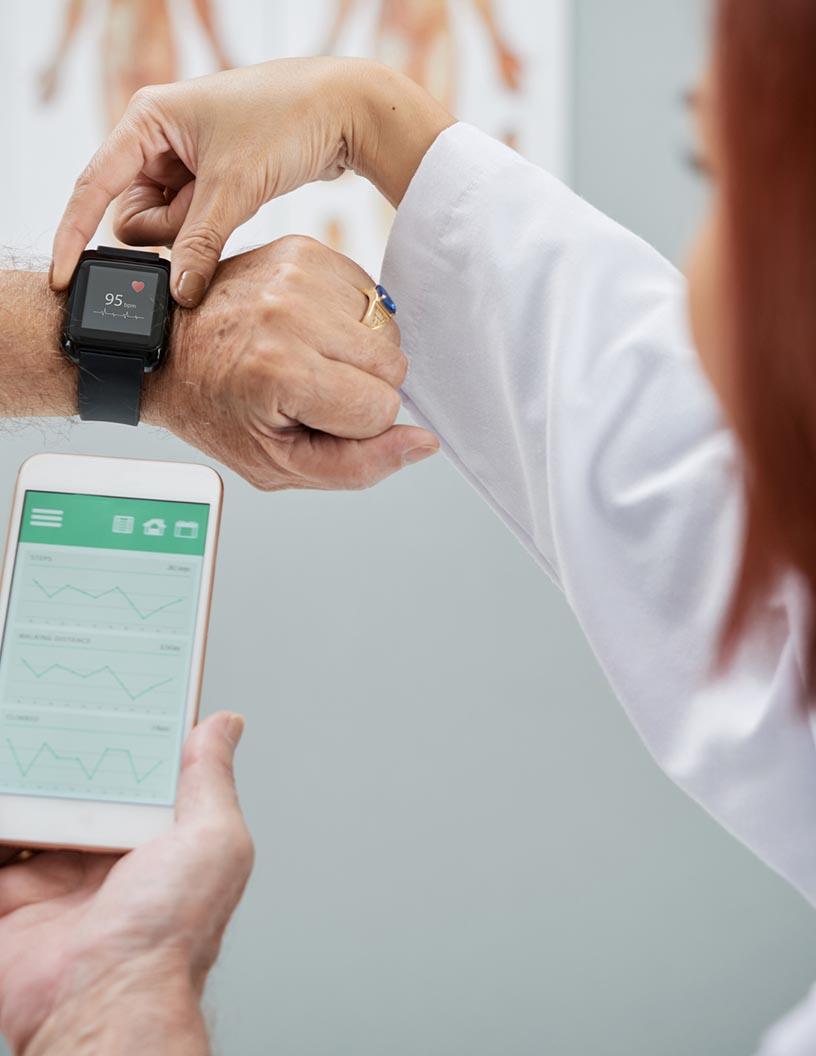


Wearable Medical Devices Market Size 2025-2029
The wearable medical devices market size is forecast to increase by USD 37.8 billion at a CAGR of 26.4% between 2024 and 2029.
- The market is experiencing significant growth, driven by the increasing prevalence of chronic diseases worldwide. The emergence of innovative wearable medical devices, designed to monitor and manage various health conditions, is addressing the unmet needs of patients seeking continuous care and monitoring. Artificial intelligence (AI) is also playing a pivotal role in enhancing the functionality of these devices, enabling users to monitor their physical well-being and exercise regimes more effectively. However, the high cost of these devices poses a significant challenge for both manufacturers and consumers. Despite this obstacle, the market's potential is vast, with opportunities for companies to capitalize on the growing demand for advanced health monitoring solutions.
- Innovative strategies, such as partnerships with healthcare providers and insurance companies, could help mitigate the financial burden for consumers and expand market reach. As the market continues to evolve, companies must navigate the balance between technological innovation and affordability to effectively meet the needs of consumers and stakeholders. MHealth and continuous monitoring devices are transforming healthcare by enabling proactive health management and enabling more effective treatment regimens.
What will be the Size of the Wearable Medical Devices Market during the forecast period?

Explore in-depth regional segment analysis with market size data - historical 2019-2023 and forecasts 2025-2029 - in the full report.
Request Free Sample
- The market is experiencing significant growth, driven by the integration of advanced technologies such as continuous glucose monitoring, personalized healthcare, and population health management. These innovations enable non-invasive monitoring and real-time data analysis, leading to preventive healthcare and value-based care. Gesture recognition, haptic feedback, and voice recognition add to the user experience, while open source platforms, API integration, and subscription models facilitate seamless data sharing and collaboration.
- Cloud computing and edge computing enable efficient data processing, and digital therapeutics and augmented reality (AR) provide new treatment modalities. Precision medicine and body composition analysis offer personalized care, and blood pressure monitoring and biometric authentication ensure accurate diagnosis and monitoring. Overall, the market trends reflect a shift towards data-driven, patient-centric healthcare solutions. The emergence of innovative diagnostic wearable medical devices, while high in cost, is driving the market forward.
How is this Wearable Medical Devices Industry segmented?
The wearable medical devices industry research report provides comprehensive data (region-wise segment analysis), with forecasts and estimates in "USD million" for the period 2025-2029, as well as historical data from 2019-2023 for the following segments.
- Product
- Diagnostic and monitoring devices
- Therapeutic devices
- Application
- Home healthcare
- Sports and fitness
- Remote patient monitoring
- Product Type
- Smartwatches
- Wristbands
- Patches
- Smart clothing
- Others
- Geography
- North America
- US
- Canada
- Mexico
- Europe
- France
- Germany
- UK
- APAC
- China
- India
- Japan
- South America
- Brazil
- Rest of World (ROW)
- North America
By Product Insights
The diagnostic and monitoring devices segment is estimated to witness significant growth during the forecast period. Wearable medical devices, equipped with sensors, are transforming healthcare by enabling continuous monitoring of various health indicators. These devices, which include vital signs and activity monitors, fetal and obstetric devices, neuromonitors, and ECG monitors, are driving growth in the market due to several factors. The emphasis on early diagnosis and preventive care, increasing awareness about chronic diseases, and the popularity of telemedicine and home healthcare are key catalysts. Furthermore, the rising prevalence of cardiovascular diseases, cardiac conditions, sleep disorders, neurological disorders, and high-risk pregnancies is fueling market expansion. Advanced features such as Bluetooth connectivity, telemedicine integration, ambient light sensors, pulse oximetry, biometric monitoring, artificial intelligence, and personalized health insights are enhancing user experience and convenience.
Additionally, rehabilitation therapy, fall detection, medication reminders, heart rate variability monitoring, and emergency response capabilities are addressing specific healthcare needs. Despite privacy concerns, wearable devices are gaining traction, with healthcare providers and insurance companies recognizing their value in managing chronic diseases and improving patient engagement. Moreover, the increasing adoption of technologically advanced wearable medical devices and patient monitoring equipment for sport and fitness, retail pharmacies, and online distribution channels, is fueling market growth. Deep learning and machine learning models are powering predictive analytics, enabling proactive care and lifestyle coaching.

The Diagnostic and monitoring devices segment was valued at USD 4.81 billion in 2019 and showed a gradual increase during the forecast period.
The Wearable Medical Devices Market is transforming healthcare with cutting-edge innovations. Wearable patches enable continuous monitoring of vital signs, enhancing patient care. Advanced implantable sensors provide real-time health data, supporting early disease detection and personalized treatment. Integration of virtual reality (VR) in medical applications improves rehabilitation and pain management. Ensuring data encryption is crucial for protecting sensitive patient information, maintaining security and privacy. The industry is shifting towards value-based healthcare, emphasizing patient outcomes and cost efficiency. Regulatory compliance, water resistance, data security, and emergency response capabilities are essential considerations for this market. With advancements in technology, wearable medical devices are poised to revolutionize healthcare, offering personalized health insights, sports performance optimization, and chronic disease management.
Regional Analysis
North America is estimated to contribute 33% to the growth of the global market during the forecast period. Technavio's analysts have elaborately explained the regional trends and drivers that shape the market during the forecast period.

The North American market is experiencing significant growth due to the rising prevalence of chronic diseases, a large and aging population, and increasing healthcare spending. Advanced technologies, such as artificial intelligence (AI) and machine learning models, are driving innovation in wearable sensors, enabling remote patient monitoring, telemedicine integration, and personalized health insights. Wearable ECG monitors, pulse oximetry (SpO2) devices, and fitness trackers with biometric monitoring are gaining popularity for their ability to monitor heart rate variability, stress levels, and sleep patterns. Insurance companies are increasingly covering the cost of these devices, making them more accessible to patients. To mitigate these risks, advanced batteries, such as aluminum graphite batteries, flexible batteries, and solid-state batteries, are being developed to ensure data security and prolong battery life.
Wearable devices with Bluetooth connectivity, Wi-Fi connectivity, and cellular connectivity allow for seamless data transfer to healthcare providers, enabling timely intervention and improved patient engagement. Rehabilitation therapy, fall detection, and medication reminders are other applications gaining traction in the market. The US dominates the market due to its large population, strong economy, and the presence of major players such as Garmin and Fitbit. The country's focus on early diagnosis and prevention, favorable reimbursement scenarios, and high adoption of wearable medical devices contribute to its market leadership. Canada and Mexico are also significant contributors, with growing demand for wearable devices for chronic disease management, mental health monitoring, and sports performance optimization.
Data security and privacy concerns are critical issues in the market, with companies investing in robust security measures and regulatory compliance to address these concerns. The market is also witnessing the integration of deep learning algorithms and predictive analytics to provide more accurate health insights and improve patient outcomes. Overall, the North American market is poised for continued growth, driven by technological innovation, increasing adoption, and a growing focus on preventive healthcare. Wearable devices, including smartwatches, portable medical devices, and activity trackers, are increasingly popular for managing lifestyle-related disorders and promoting healthy lifestyle choices.
Market Dynamics
Our researchers analyzed the data with 2024 as the base year, along with the key drivers, trends, and challenges. A holistic analysis of drivers will help companies refine their marketing strategies to gain a competitive advantage.
What are the Wearable Medical Devices market drivers leading to the rise in the adoption of Industry?
- The global market is significantly driven by the rising prevalence of chronic diseases, which poses a growing health concern worldwide. The global market for wearable medical devices is driven by the increasing prevalence of chronic diseases and the need for proactive health management. According to the World Health Organization, nearly 1.5 billion people worldwide live with chronic diseases, such as cardiovascular diseases (CVDs), chronic respiratory diseases, and diabetes. CVDs alone account for over 17 million deaths annually, making it the leading cause of death globally. Wearable medical devices, including GPS tracking, electrocardiogram (ECG) monitors, health data analytics, user interface, skin sensitivity, fitness trackers, mental health monitoring, Wi-Fi connectivity, personalized health insights, rehabilitation therapy, fall detection, and proprietary algorithms, offer effective solutions for managing these conditions.
- For instance, ECG monitors help in detecting heart conditions, while mental health monitoring devices assist in identifying and managing mental health disorders. These devices also facilitate remote patient monitoring, enabling timely intervention and reducing hospitalizations. Activity tracking and fall detection features help in managing chronic conditions and promoting a healthy lifestyle. The increasing burden of chronic diseases and the need for proactive health management are driving the growth of the market. These devices offer innovative solutions for managing various health conditions, enabling personalized care and improving patient outcomes.
What are the Wearable Medical Devices market trends shaping the Industry?
- The emergence of innovative wearable medical devices represents a significant market trend. These advanced technologies are transforming healthcare by providing real-time monitoring and analysis for various health conditions. The market is experiencing significant advancements, driven by technological innovations and increasing demand for remote healthcare monitoring. These devices are becoming more compact and ergonomic, with technologies such as system-on-chip (SoC) and chip-scale package (CSP) enabling miniaturization. Manufacturers are also investing heavily in research and development to create technologically advanced wearables.
- Moreover, cellular connectivity ensures real-time data transmission to healthcare providers, enhancing patient engagement and enabling timely intervention. However, privacy concerns remain a significant challenge for the market. Ensuring regulatory compliance and data security are crucial to mitigate these concerns. In the realm of cardiovascular disease management, wearable medical devices are proving to be valuable tools for remote monitoring and early intervention. With advancements in predictive analytics and deep learning, these devices are expected to play an increasingly important role in healthcare delivery. For instance, Quell, developed by NeuroMetrix, is the world's first FDA-approved wearable medical device designed to reduce pain. Wearable medical devices offer various functionalities, including medication reminders, heart rate variability monitoring, sports performance optimization, predictive analytics, and chronic disease management. They also provide lifestyle coaching and deep learning capabilities.
How does Wearable Medical Devices market face challenges during its growth?
- The escalating costs of wearable medical devices pose a significant challenge to the industry's growth trajectory. Wearable medical devices, including pulse oximeters, insulin pumps, and activity trackers, offer significant health benefits such as real-time health monitoring, data security, emergency response, and disease management. However, these devices come with a high price tag, which can be a barrier for some users. On average, insulin pumps cost between USD4,500 and USD6,500, and activity trackers like the Vivosmart HR+ from Garmin retail for USD179.99. Frequent battery changes, recharging, and maintenance further add to the costs. Moreover, most of these devices are not covered by insurance due to a lack of US FDA approval. Data security is a major concern for wearable medical devices, as they collect and transmit sensitive health information.
- Machine learning models are being used to analyze the data and provide personalized insights for asthma management, sleep monitoring, fitness training, and diabetes management. Skin temperature sensors are also gaining popularity for monitoring various health conditions. Despite the high costs, the demand for wearable medical devices is increasing due to their convenience, accuracy, and ability to provide real-time health insights. Water resistance and long battery life are essential features for these devices, as they allow users to wear them continuously for extended periods. Emergency response features, such as fall detection and automatic alerts, provide peace of mind and can be lifesaving in certain situations.
Exclusive Customer Landscape
The wearable medical devices market forecasting report includes the adoption lifecycle of the market, covering from the innovator's stage to the laggard's stage. It focuses on adoption rates in different regions based on penetration. Furthermore, the wearable medical devices market report also includes key purchase criteria and drivers of price sensitivity to help companies evaluate and develop their market growth analysis strategies.

Customer Landscape
Key Companies & Market Insights
Companies are implementing various strategies, such as strategic alliances, wearable medical devices market forecast, partnerships, mergers and acquisitions, geographical expansion, and product/service launches, to enhance their presence in the industry.
Abbott Laboratories - The company specializes in wearable medical technology, including advanced biowearable devices such as the FreeStyle Libre.
The industry research and growth report includes detailed analyses of the competitive landscape of the market and information about key companies, including:
- Abbott Laboratories
- Apple Inc.
- Biotricity Inc.
- Boston Scientific Corp.
- Contec Medical Systems Co. Ltd.
- Dexcom Inc.
- Garmin Ltd.
- General Electric Co.
- Google LLC
- Huawei Technologies Co. Ltd.
- Johari Digital India Ltd.
- Koninklijke Philips NV
- Medtronic Plc
- OMRON Corp.
- Oura Health Oy
- Polar Electro Oy
- Samsung Electronics Co. Ltd.
- ten3T Healthcare
- The Sotera Wireless Inc.
Qualitative and quantitative analysis of companies has been conducted to help clients understand the wider business environment as well as the strengths and weaknesses of key industry players. Data is qualitatively analyzed to categorize companies as pure play, category-focused, industry-focused, and diversified; it is quantitatively analyzed to categorize companies as dominant, leading, strong, tentative, and weak.
Recent Development and News in Wearable Medical Devices Market
- In February 2024, Apple unveiled the latest addition to its Health line, the Apple Watch Series 8, featuring advanced health monitoring capabilities, including blood glucose monitoring, sleep apnea detection, and temperature sensing (Apple Inc. Press Release, 2024). This new product launch signifies Apple's continued commitment to expanding its wearable medical devices portfolio, catering to the growing demand for advanced health monitoring solutions.
- In June 2024, Medtronic and Google announced a strategic partnership to integrate Google's Fitbit wearables with Medtronic's diabetes management systems (Medtronic Press Release, 2024). This collaboration aims to enhance the user experience for diabetes patients by seamlessly integrating their fitness data with their diabetes management tools, providing a more comprehensive view of their health.
Research Analyst Overview
The market continues to evolve, driven by advancements in technology and the growing demand for remote patient monitoring and personalized health insights. These devices, which include wearable sensors, ECG monitoring, and pulse oximetry (SpO2) devices, among others, are integrated with Bluetooth connectivity and telemedicine capabilities, enabling real-time data transmission and analysis. Biometric monitoring, such as heart rate variability and skin sensitivity, is a key application area, providing valuable data for stress management and mental health monitoring. However, privacy concerns remain a significant challenge, as these devices collect and transmit sensitive health information. In the sports performance optimization sector, wearable devices are used to track activity levels, GPS location, and biometric data, enabling athletes to optimize their training and improve performance.
Predictive analytics and machine learning models are also being integrated into these devices, providing personalized health insights and recommendations. Chronic disease management, including cardiovascular disease management and diabetes management, is another major application area. Wearable devices enable remote monitoring and real-time data analysis, improving patient engagement and enabling earlier intervention and better disease management. Regulatory compliance and data security are critical considerations in the market. With the increasing use of cellular connectivity and Wi-Fi, ensuring data security and FDA approval is essential. Lifestyle coaching and rehabilitation therapy are also gaining traction, with wearable devices providing personalized recommendations and remote therapy sessions.
Fall detection and emergency response capabilities are also important features, ensuring user safety and peace of mind. The ongoing unfolding of market activities and evolving patterns in the market reflect the continuous integration of new technologies and applications, from heart rate variability monitoring to deep learning algorithms. With the growing importance of patient engagement and remote care, these devices are poised to transform the healthcare landscape. Overall, the market for wearable medical devices is expected to grow significantly in the coming years, driven by advancements in technology and increasing consumer awareness of the benefits of these devices. These include the growing emphasis on early diagnosis and preventive care, expanding awareness of chronic diseases, the rising popularity of telemedicine and home healthcare, and the increasing incidence of cardiovascular diseases, cardiac conditions, sleep disorders, neurological disorders, and high-risk pregnancies.
Dive into Technavio's robust research methodology, blending expert interviews, extensive data synthesis, and validated models for unparalleled Wearable Medical Devices Market insights. See full methodology.
|
Market Scope |
|
|
Report Coverage |
Details |
|
Page number |
231 |
|
Base year |
2024 |
|
Historic period |
2019-2023 |
|
Forecast period |
2025-2029 |
|
Growth momentum & CAGR |
Accelerate at a CAGR of 26.4% |
|
Market growth 2025-2029 |
USD 37.8 billion |
|
Market structure |
Fragmented |
|
YoY growth 2024-2025(%) |
20.5 |
|
Key countries |
US, Canada, UK, Germany, Brazil, China, France, Japan, Mexico, and India |
|
Competitive landscape |
Leading Companies, Market Positioning of Companies, Competitive Strategies, and Industry Risks |
What are the Key Data Covered in this Wearable Medical Devices Market Research and Growth Report?
- CAGR of the Wearable Medical Devices industry during the forecast period
- Detailed information on factors that will drive the growth and forecasting between 2025 and 2029
- Precise estimation of the size of the market and its contribution of the industry in focus to the parent market
- Accurate predictions about upcoming growth and trends and changes in consumer behaviour
- Growth of the market across North America, Europe, Asia, and Rest of World (ROW)
- Thorough analysis of the market's competitive landscape and detailed information about companies
- Comprehensive analysis of factors that will challenge the wearable medical devices market growth of industry companies
We can help! Our analysts can customize this wearable medical devices market research report to meet your requirements.