
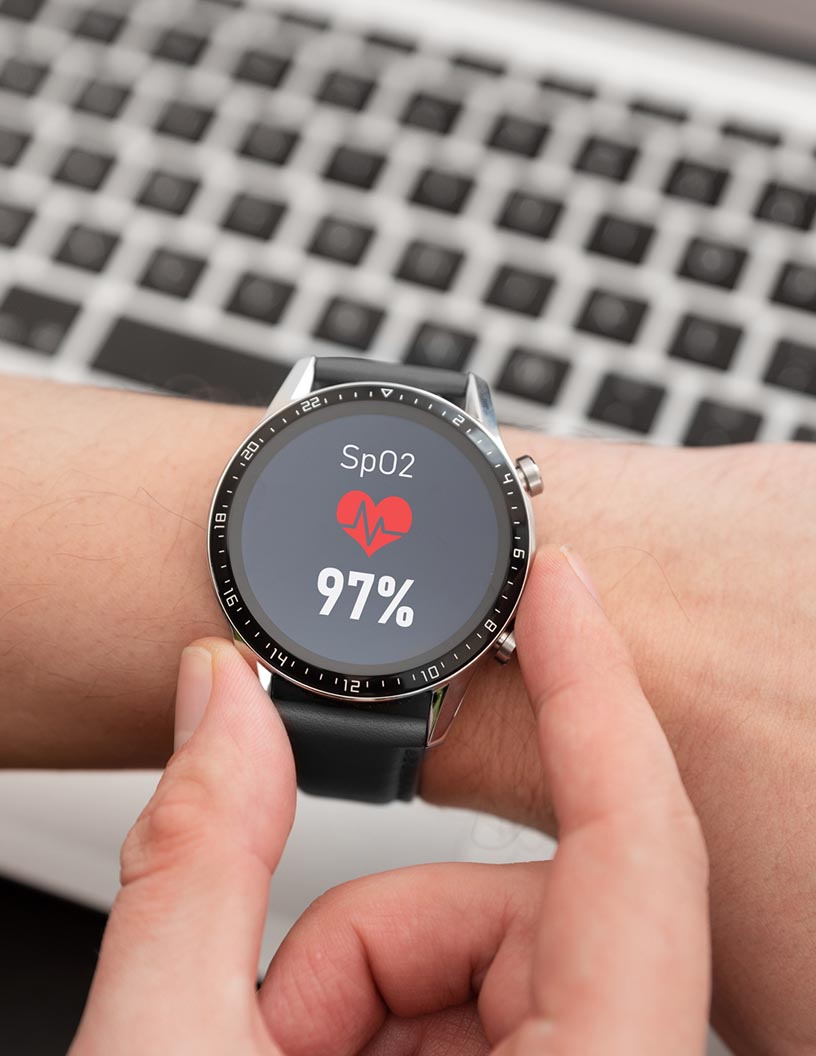


Wearable Pulse Oximeters Market Size 2024-2028
The wearable pulse oximeters market size is forecast to increase by USD 275.59 million, at a CAGR of 7.54% between 2023 and 2028.
- The market is experiencing significant growth, driven by the increasing prevalence of chronic respiratory diseases. With the rise in respiratory disorders, there is a growing demand for continuous monitoring devices to manage these conditions effectively. Moreover, the market is witnessing an upward trend due to the increasing adoption of online marketing strategies. Companies are leveraging digital platforms to reach a wider audience and increase sales. However, the market faces challenges in the form of limitations and complications associated with wearable pulse oximeters. These devices may provide inaccurate readings due to factors such as motion artifact and poor sensor placement.
- Additionally, the complexity of these devices may deter some consumers from using them regularly. To capitalize on market opportunities and navigate challenges effectively, companies must focus on developing user-friendly, accurate, and reliable wearable pulse oximeters. By addressing these challenges, they can cater to the growing demand for continuous monitoring solutions and establish a strong market presence.
What will be the Size of the Wearable Pulse Oximeters Market during the forecast period?

Explore in-depth regional segment analysis with market size data - historical 2018-2022 and forecasts 2024-2028 - in the full report.
Request Free Sample
The wearable pulse oximeter market continues to evolve, driven by advancements in technology and expanding applications across various sectors. Sensors, once bulky and inconvenient, are now being miniaturized, integrating photoplethysmography (PPG) technology for accurate SpO2 measurement. Signal processing algorithms enhance data accuracy, while data encryption protocols ensure patient privacy. Remote patient monitoring enables real-time health tracking, with alert systems notifying healthcare providers of critical conditions. Wearable sensor technology advances with battery life optimization and low-power consumption, enhancing user experience (UX). Regulatory compliance and medical-grade materials ensure device safety and reliability. Bluetooth connectivity facilitates wireless data transmission to data analytics platforms, enabling data visualization techniques and sleep apnea detection.
Device ergonomics are a priority, with user interface design and motion artifact reduction improving patient comfort. Pulse oximetry technology clinical validation studies continue, focusing on energy efficiency design and biocompatibility testing. The ongoing development of wearable health monitoring devices promises to revolutionize healthcare, offering improved patient safety features and continuous, accurate monitoring.
How is this Wearable Pulse Oximeters Industry segmented?
The wearable pulse oximeters industry research report provides comprehensive data (region-wise segment analysis), with forecasts and estimates in "USD million" for the period 2024-2028, as well as historical data from 2018-2022 for the following segments.
- Product Type
- Fingertip and ring pulse oximeters
- Wrist-worn pulse oximeters
- End-user
- Hospitals and other healthcare facilities
- Homecare
- Geography
- North America
- US
- Europe
- Germany
- UK
- APAC
- China
- Japan
- Rest of World (ROW)
- North America
By Product Type Insights
The fingertip and ring pulse oximeters segment is estimated to witness significant growth during the forecast period.
Wearable pulse oximeters, equipped with fingertip probes and integrated displays, offer affordable solutions for non-clinical applications, primarily providing peripheral oxygen saturation (SpO2) readings. However, their utility in managing respiratory and chronic diseases is limited due to the absence of clinical validation studies and regulatory approvals. Moreover, inconsistent device specifications hinder their widespread adoption in clinical settings. Wellue, a leading company, offers an advanced wearable fingertip pulse oximeter. This device measures SpO2, pulse rate, plethysmographic waveform, and perfusion index accurately in both spot-check and continuous measuring modes. To enhance user experience (UX), it employs data visualization techniques, ensuring clear and easy-to-understand readings.
The device's ergonomic design ensures a comfortable fit, contributing to its extended device lifespan. To optimize battery life and maintain low power consumption, the oximeter incorporates power management algorithms and energy efficiency design. It adheres to regulatory compliance standards, ensuring patient safety features. The device's signal processing algorithms reduce motion artifacts, ensuring accurate SpO2 measurements. Data encryption protocols secure wireless data transmission, while Bluetooth connectivity enables remote patient monitoring. The device's data analytics platform offers advanced data analytics, enabling healthcare professionals to make informed decisions. Its user interface design is intuitive and easy to use, enhancing patient compliance. The wearable sensor technology is biocompatible, ensuring patient safety and comfort.
The device's miniaturization and medical-grade materials contribute to its durability and reliability. Biocompatibility testing ensures the device's safety for prolonged use. Incorporating photoplethysmography (ppg) technology, the pulse oximeter offers accurate SpO2 measurements. Its alert system development notifies users of abnormal readings, ensuring timely intervention. The device's sleep apnea detection feature enhances its utility in monitoring sleep disorders. Overall, the wearable pulse oximeter market is evolving, with a focus on enhancing device accuracy, improving user experience, and ensuring regulatory compliance.

The Fingertip and ring pulse oximeters segment was valued at USD 364.60 million in 2018 and showed a gradual increase during the forecast period.
Regional Analysis
North America is estimated to contribute 42% to the growth of the global market during the forecast period.Technavio’s analysts have elaborately explained the regional trends and drivers that shape the market during the forecast period.

The market is experiencing significant growth, with North America leading the way. The region's dominance is driven by the high prevalence of respiratory disorders and chronic diseases, the increasing number of surgeries, and the presence of skilled physicians. Advanced healthcare infrastructure and prominent companies, such as GE Healthcare Technologies Inc., Medtronic Plc, and Masimo Corp., also contribute to the market's expansion in North America. companies prioritize sensor calibration, data visualization techniques, battery life optimization, and low-power consumption to meet consumer demands. Regulatory compliance, wearable device ergonomics, and device lifespan are essential considerations in the development of wearable pulse oximeters.
Signal processing algorithms, data encryption protocols, and alert system development ensure accurate SpO2 measurement and patient safety. Photoplethysmography (ppg) technology, Bluetooth connectivity, and wireless data transmission enable remote patient monitoring and data analytics platform integration. User interface design, motion artifact reduction, and patient safety features enhance the user experience. Sleep apnea detection, energy efficiency design, medical-grade materials, device miniaturization, and biocompatibility testing are crucial aspects of wearable health monitoring technology. Clinical validation studies and regulatory approvals are essential for market growth. Pulse oximetry technology continues to evolve, with a focus on improving sensor accuracy and power consumption.
companies prioritize user experience (UX) design to ensure easy-to-use devices. Wearable sensor technology and wearable health monitoring are revolutionizing healthcare, offering new opportunities for remote patient care and early disease detection.
Market Dynamics
Our researchers analyzed the data with 2023 as the base year, along with the key drivers, trends, and challenges. A holistic analysis of drivers will help companies refine their marketing strategies to gain a competitive advantage.
What are the key market drivers leading to the rise in the adoption of Wearable Pulse Oximeters Industry?
- The rising prevalence of chronic respiratory diseases serves as the primary market driver.
- Wearable pulse oximeters are essential medical devices used for monitoring oxygen saturation levels in various indications, including endotracheal intubation, cardiac arrest, procedural sedation, asthma/chronic obstructive pulmonary disease (COPD), respiratory complaints, acute respiratory distress syndrome (ARDS), sleep disorders/sleep apnea, and shunts in cyanotic heart disease. The global prevalence of chronic respiratory disorders, such as COPD, asthma, and obstructive sleep apnea (OSA), is increasing significantly in both developed and developing countries. For instance, asthma accounts for 6-7 in every 1,000 deaths annually worldwide. The prevalence of asthma is particularly high in low and middle-income countries, with approximately 34.2 million people in India reported to have asthma in 2019.
- To cater to this growing demand, wearable pulse oximeter manufacturers focus on enhancing the functionality and usability of these devices. Key features include sensor calibration for improved accuracy, data visualization techniques for easy interpretation, battery life optimization for extended use, and low-power consumption for longer wearability. Software application integration is another crucial aspect, enabling seamless data transfer and analysis. Regulatory compliance and wearable device ergonomics are also essential considerations to ensure device lifespan and user comfort.
What are the market trends shaping the Wearable Pulse Oximeters Industry?
- Online marketing strategies are increasingly becoming the norm in today's business landscape. It is essential for professionals to adapt and implement effective online marketing tactics to stay competitive in the market.
- Wearable pulse oximeters have gained significant attention in the healthcare industry due to their role in remote patient monitoring. These devices measure SpO2 (blood oxygen saturation) levels using photoplethysmography (PPG) technology. To ensure accuracy, companies employ advanced signal processing algorithms and data encryption protocols. With Bluetooth connectivity, real-time data transmission is facilitated, enabling healthcare providers to monitor patients' health status remotely. companies are investing in alert system development to enhance the functionality of these devices. This feature allows users and healthcare providers to receive instant notifications if SpO2 levels fall below a certain threshold.
- The focus on wearable sensor technology is driven by its potential to improve patient care and reduce hospital readmissions. companies are adopting various marketing strategies, including online presence through social media and e-commerce platforms, to expand their reach and cater to the growing demand for home-based healthcare solutions.
What challenges does the Wearable Pulse Oximeters Industry face during its growth?
- The integration of wearable pulse oximeters in the healthcare industry faces significant challenges due to limitations and complications in their accuracy, reliability, and user experience. These issues hinder the industry's growth and require ongoing research and innovation to address them effectively.
- Wearable pulse oximeters have gained significant attention in the realm of wearable health monitoring. However, ensuring their accuracy and reliability is crucial for effective usage. Factors influencing the precision of these devices include the presence of abnormal hemoglobins, anemia, reduced peripheral circulation, venous congestion, bright ambient light, and nail varnish. Numerous low-priced wearable pulse oximeters in the market have been proven to provide inaccurate saturation readings during hypoxia, failing to meet clinical standards set by the World Federation of Societies of Anaesthesiologists. To mitigate these challenges, advancements in wearable pulse oximeter technology focus on power consumption, user interface design, wireless data transmission, sensor accuracy, data analytics platforms, and sleep apnea detection.
- These enhancements aim to provide users with an immersive and harmonious experience while ensuring accurate and reliable readings. The user experience (UX) is being prioritized to make the devices more intuitive and user-friendly. Additionally, wireless data transmission enables seamless integration with other health monitoring applications and platforms for comprehensive health analysis. Sleep apnea detection is another essential feature, providing users with valuable insights into their sleep patterns and potential health risks.
Exclusive Customer Landscape
The wearable pulse oximeters market forecasting report includes the adoption lifecycle of the market, covering from the innovator’s stage to the laggard’s stage. It focuses on adoption rates in different regions based on penetration. Furthermore, the wearable pulse oximeters market report also includes key purchase criteria and drivers of price sensitivity to help companies evaluate and develop their market growth analysis strategies.

Customer Landscape
Key Companies & Market Insights
Companies are implementing various strategies, such as strategic alliances, wearable pulse oximeters market forecast, partnerships, mergers and acquisitions, geographical expansion, and product/service launches, to enhance their presence in the industry.
Alphabet Inc. - The company specializes in wearable health technology, including pulse oximeters like the Fitbit Versa 4, enabling users to monitor their oxygen saturation levels and heart rate in real-time, enhancing personal health management.
The industry research and growth report includes detailed analyses of the competitive landscape of the market and information about key companies, including:
- Alphabet Inc.
- American Diagnostic Corp.
- Apple Inc.
- Contec Medical Systems Co. Ltd.
- Garmin Ltd.
- GE Healthcare Technologies Inc.
- GOQii
- Heal Force Biomeditech Holdings Ltd.
- Isansys Ltd.
- Konica Minolta Inc.
- Lepu Medical Technology Beijing Co. Ltd.
- Masimo Corp.
- Medtronic Plc
- Mindray Bio medical Electronics Co. Ltd.
- MTEC Global Co. Ltd.
- Nonin Medical Inc.
- OMRON Corp.
- Oxitone medical LTD
- Vyaire Medical Inc.
- Wellue Health
Qualitative and quantitative analysis of companies has been conducted to help clients understand the wider business environment as well as the strengths and weaknesses of key industry players. Data is qualitatively analyzed to categorize companies as pure play, category-focused, industry-focused, and diversified; it is quantitatively analyzed to categorize companies as dominant, leading, strong, tentative, and weak.
Recent Development and News in Wearable Pulse Oximeters Market
- In January 2024, Medtronic plc, a global healthcare solutions company, announced the FDA approval of its new wearable pulse oximeter, called the 'MiniMedTM SOURCE' system. This innovative device combines continuous glucose monitoring and pulse oximetry, providing real-time data for both glucose levels and oxygen saturation levels for individuals with diabetes (Medtronic Press Release, 2024).
- In March 2024, Masimo Corporation, a leading innovator in noninvasive monitoring technologies, entered into a strategic partnership with Fitbit, Inc., a popular consumer electronics brand. This collaboration aimed to integrate Masimo's SET pulse oximetry technology into Fitbit's wearable devices, expanding their health monitoring capabilities (Masimo Press Release, 2024).
- In May 2024, Contec Medical Systems Co., Ltd., a leading manufacturer of medical devices, completed a USD50 million Series C funding round, led by Sequoia Capital China. The funds were earmarked for research and development, production expansion, and marketing efforts in the wearable pulse oximeter market (Crunchbase, 2024).
- In April 2025, the European Union's Medical Devices Regulation (MDR) came into effect, requiring all medical devices, including wearable pulse oximeters, to comply with the new regulatory framework. This change impacted manufacturers and suppliers, necessitating significant investments in certification processes and product adaptations (European Commission, 2020).
Research Analyst Overview
- The wearable pulse oximeter market is characterized by advancements in technology and increasing demand for remote patient monitoring. Manufacturers prioritize data transmission speed to ensure real-time monitoring, while patient data privacy remains a significant concern, necessitating robust data security measures. Signal quality indicators and health metrics dashboards offer users insight into their vital signs, enhancing device usability. Device connectivity and cloud-based storage facilitate easy access to clinical trials data and long-term stability. User experience is a key focus, with manufacturers investing in user interface usability and device comfort. Sleep stage detection and fall detection features cater to diverse user needs.
- Perfusion index (PI) and breath rate measurement provide additional health insights. Sensor reliability and durability testing ensure medical device regulations compliance. Power management and device validation are essential for maintaining optimal performance and extending sensor lifespan. Incorporating data security measures into manufacturing processes is crucial to protect sensitive patient information. Alert notification systems enable timely intervention for potential health issues. Material selection and physical activity tracking contribute to overall device durability. Real-time monitoring capabilities and device connectivity offer significant advantages for healthcare providers and patients alike.
Dive into Technavio’s robust research methodology, blending expert interviews, extensive data synthesis, and validated models for unparalleled Wearable Pulse Oximeters Market insights. See full methodology.
|
Market Scope |
|
|
Report Coverage |
Details |
|
Page number |
163 |
|
Base year |
2023 |
|
Historic period |
2018-2022 |
|
Forecast period |
2024-2028 |
|
Growth momentum & CAGR |
Accelerate at a CAGR of 7.54% |
|
Market growth 2024-2028 |
USD 275.59 million |
|
Market structure |
Fragmented |
|
YoY growth 2023-2024(%) |
7.19 |
|
Key countries |
US, Germany, UK, China, and Japan |
|
Competitive landscape |
Leading Companies, Market Positioning of Companies, Competitive Strategies, and Industry Risks |
What are the Key Data Covered in this Wearable Pulse Oximeters Market Research and Growth Report?
- CAGR of the Wearable Pulse Oximeters industry during the forecast period
- Detailed information on factors that will drive the growth and forecasting between 2024 and 2028
- Precise estimation of the size of the market and its contribution of the industry in focus to the parent market
- Accurate predictions about upcoming growth and trends and changes in consumer behaviour
- Growth of the market across North America, Europe, Asia, and Rest of World (ROW)
- Thorough analysis of the market’s competitive landscape and detailed information about companies
- Comprehensive analysis of factors that will challenge the wearable pulse oximeters market growth of industry companies
We can help! Our analysts can customize this wearable pulse oximeters market research report to meet your requirements.